 English
 Español



Building 1, Block 4, Wufeng Industrial Park, Daxi Town, Taizhou City, Zhejiang Province, China
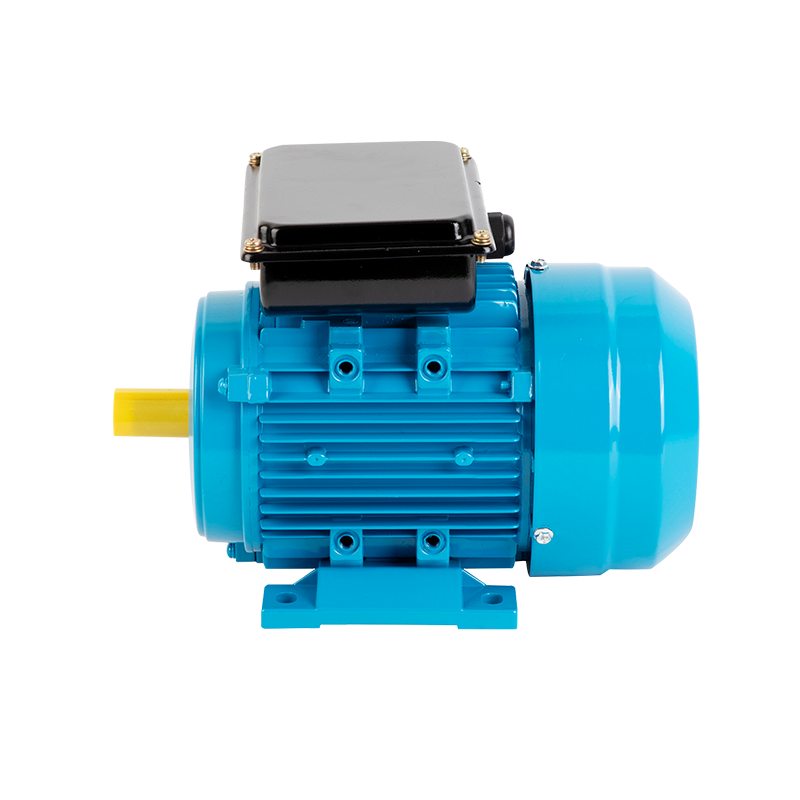
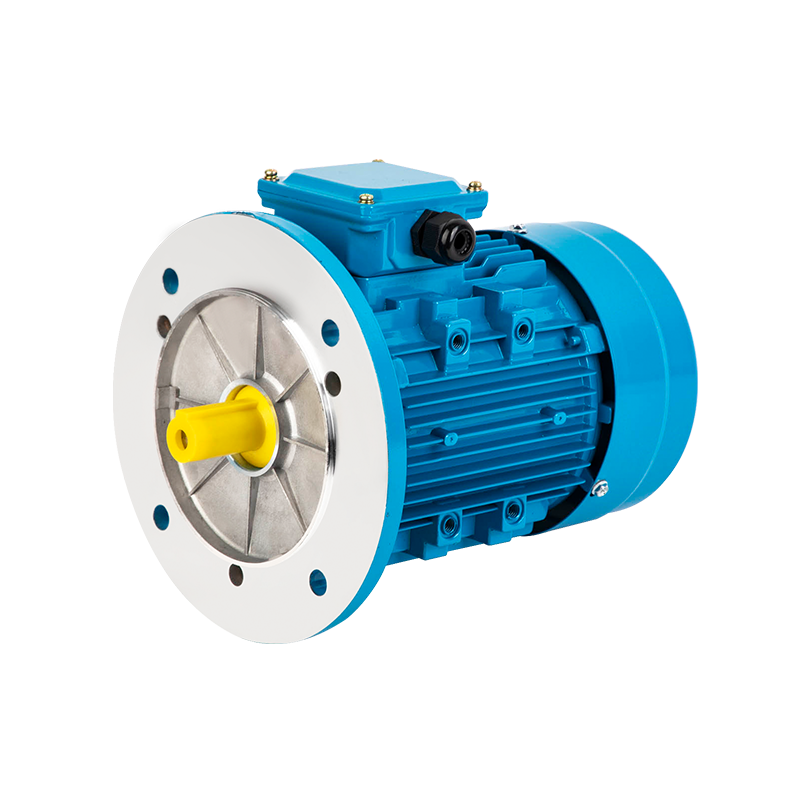
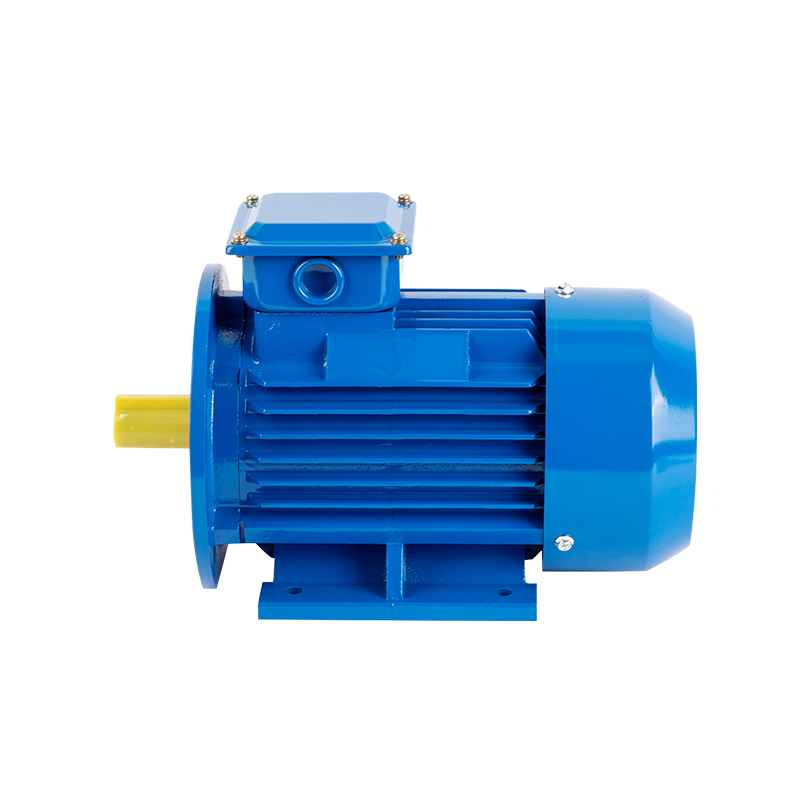
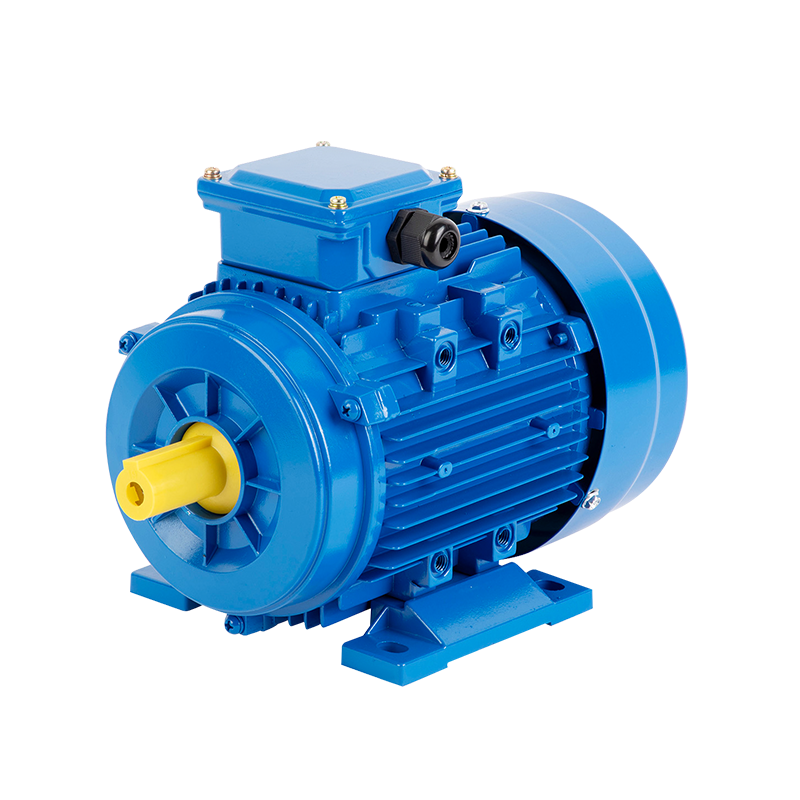
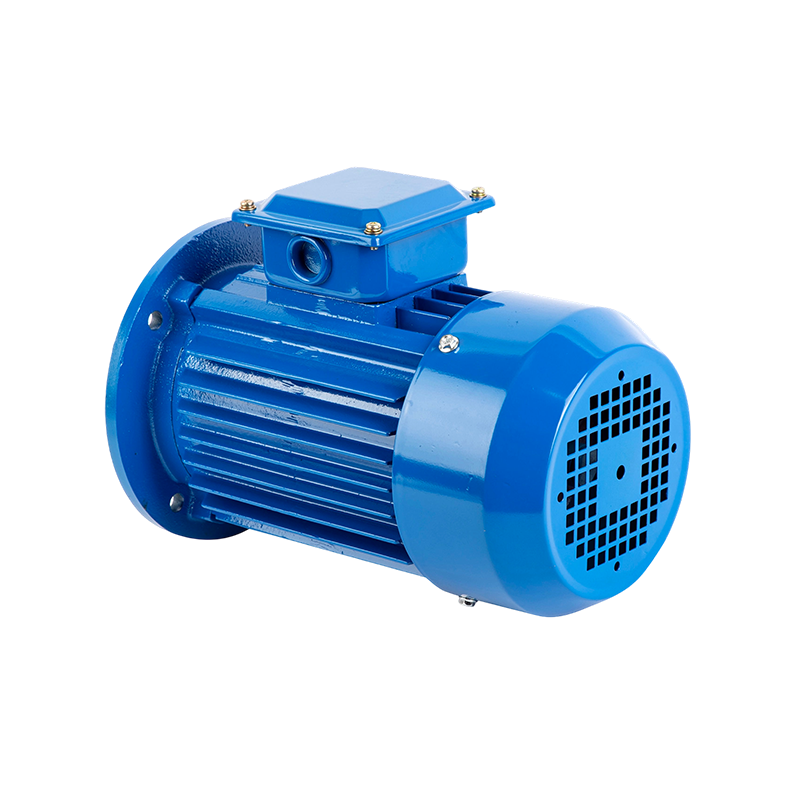
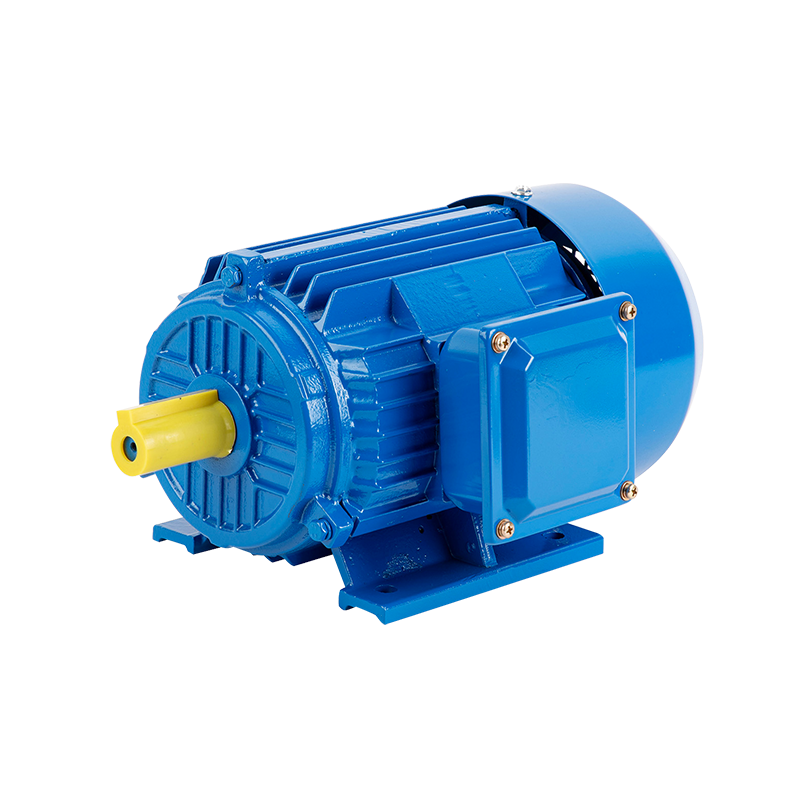
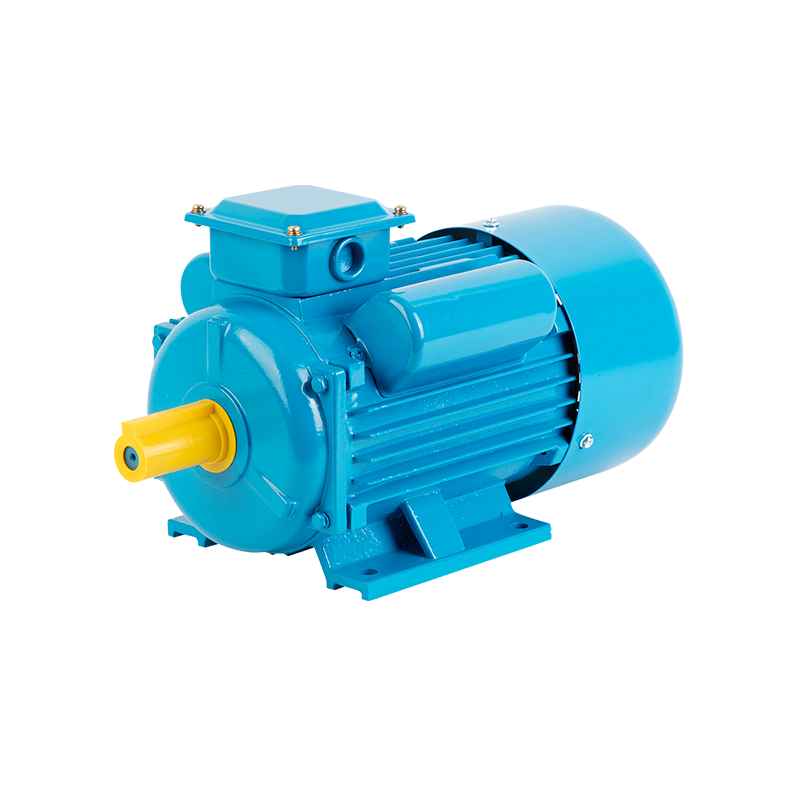
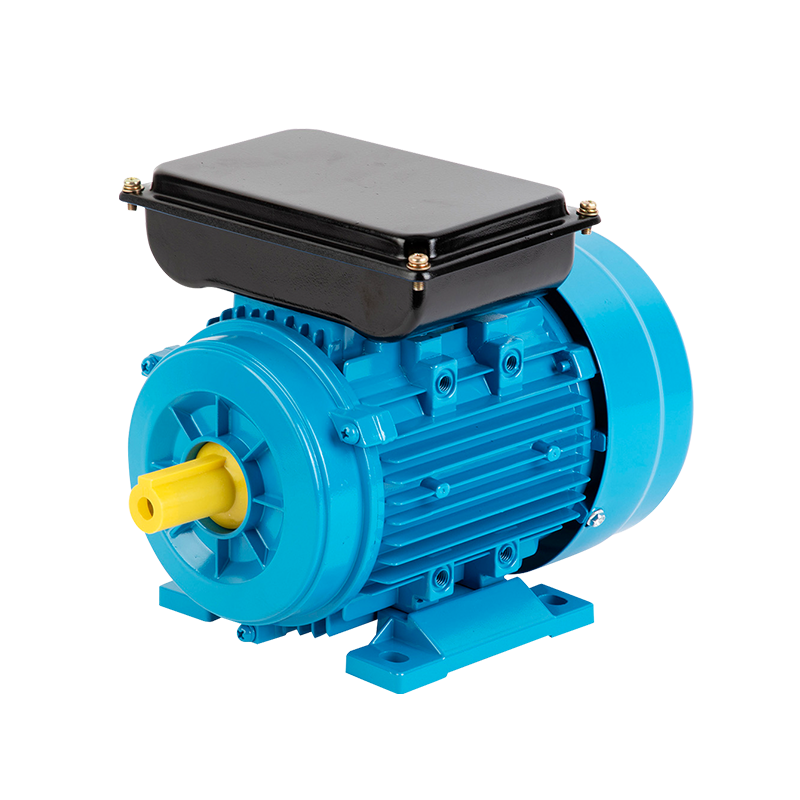
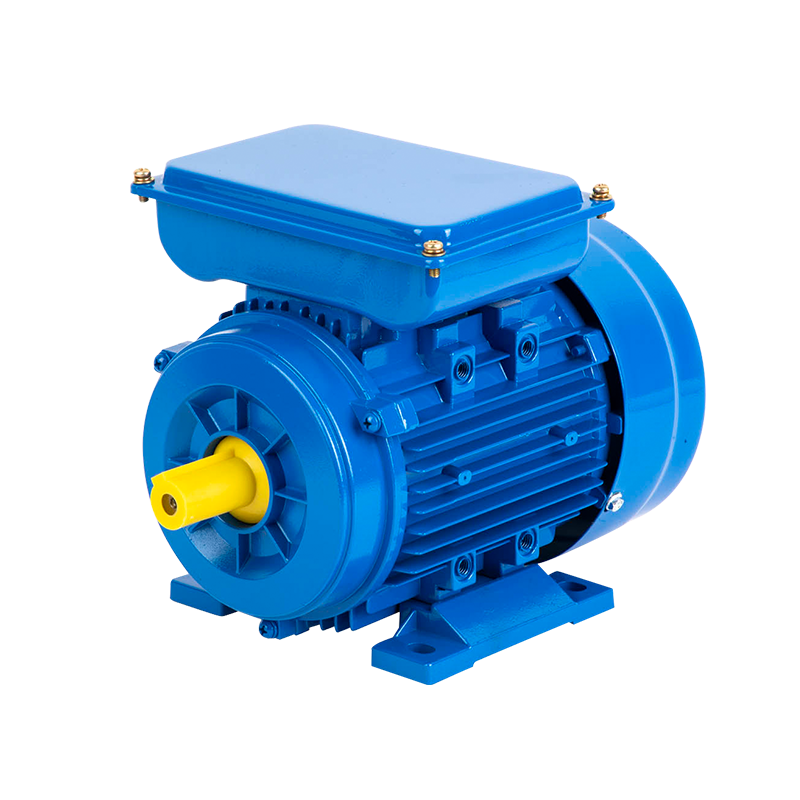
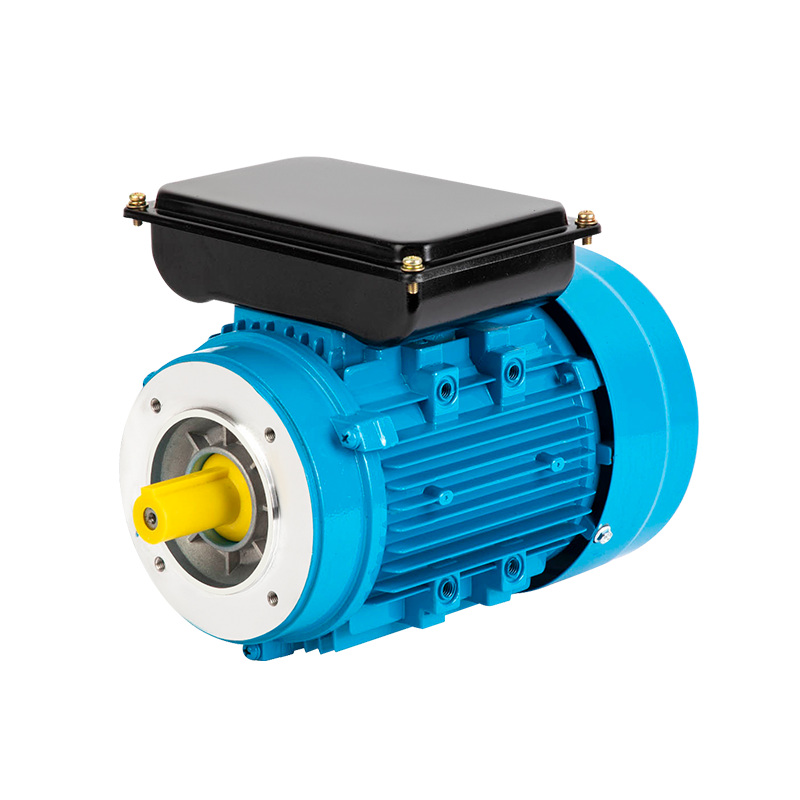
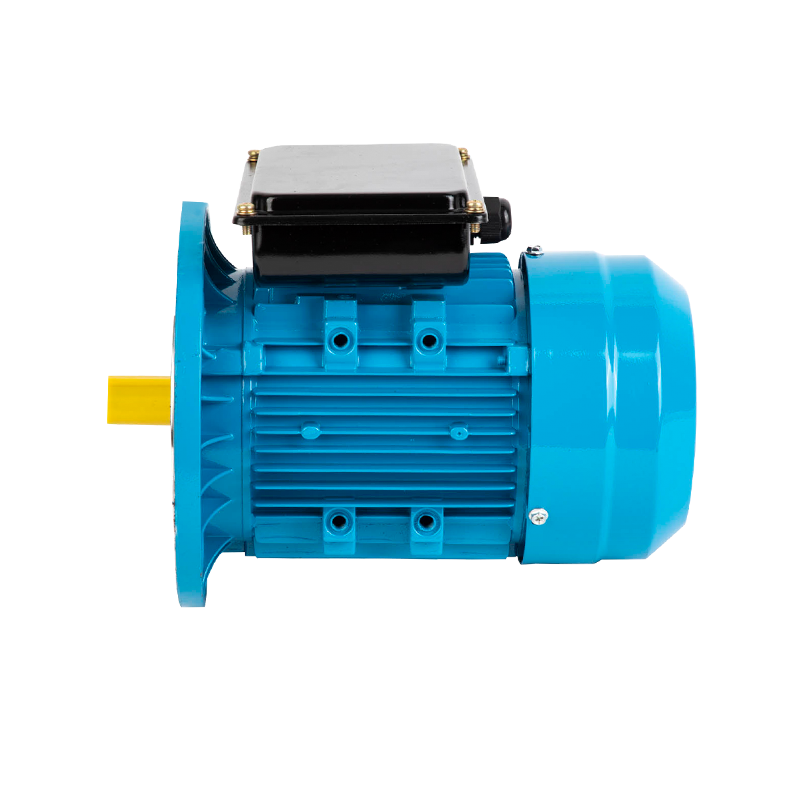
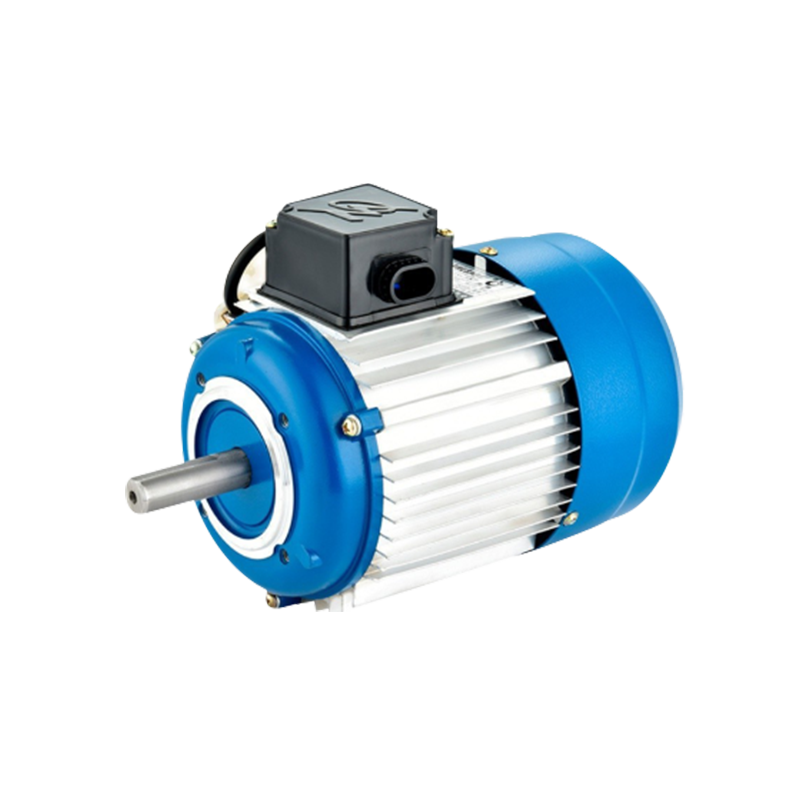
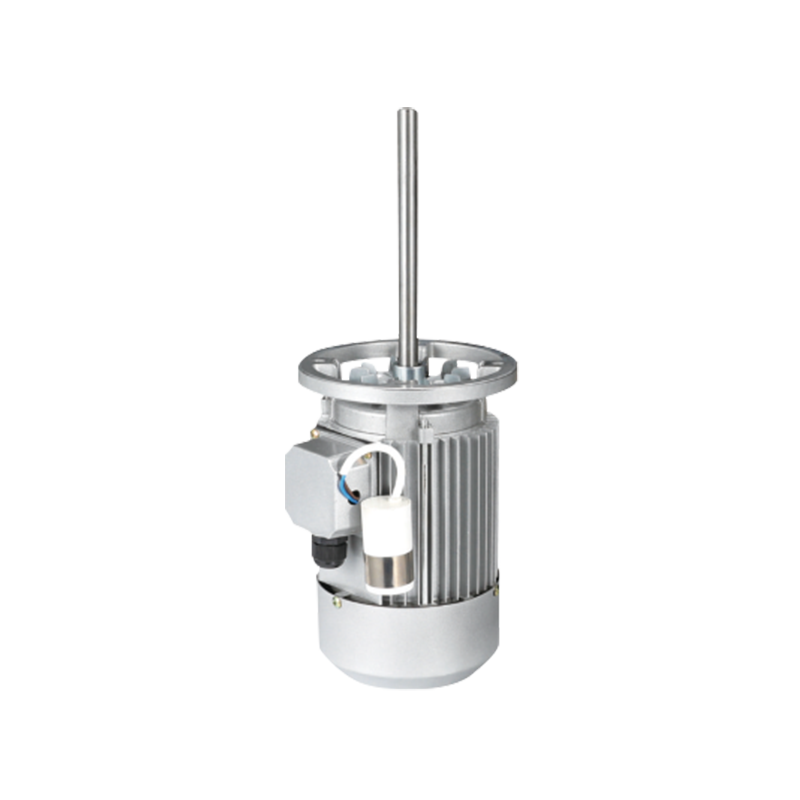
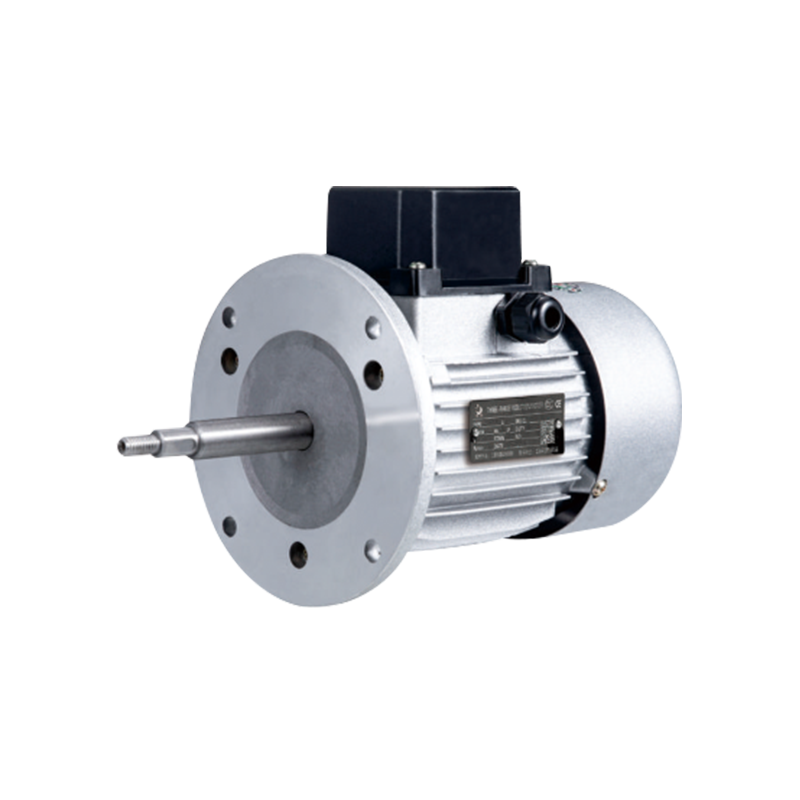
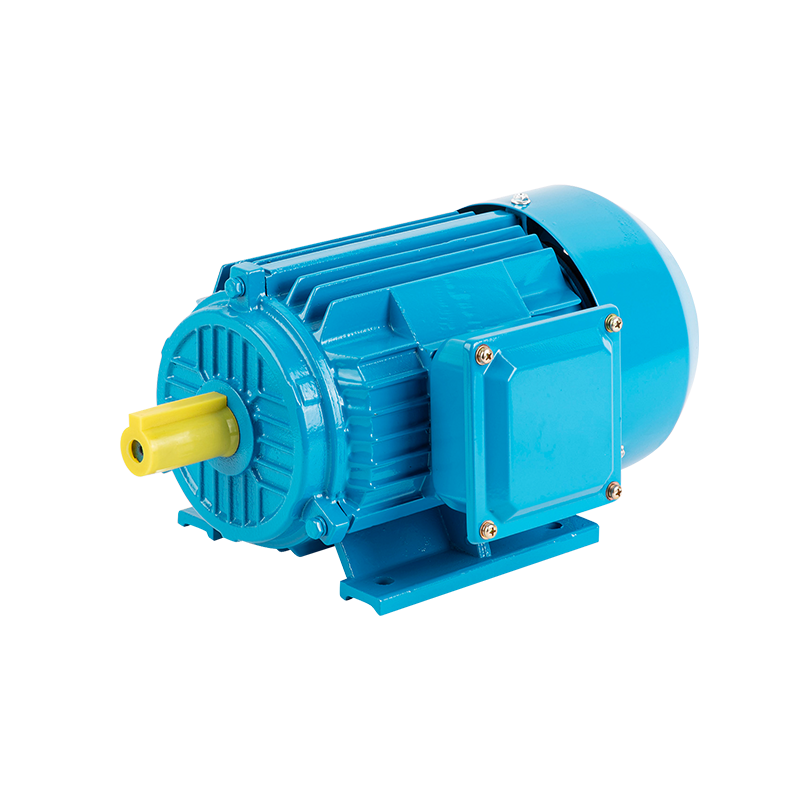
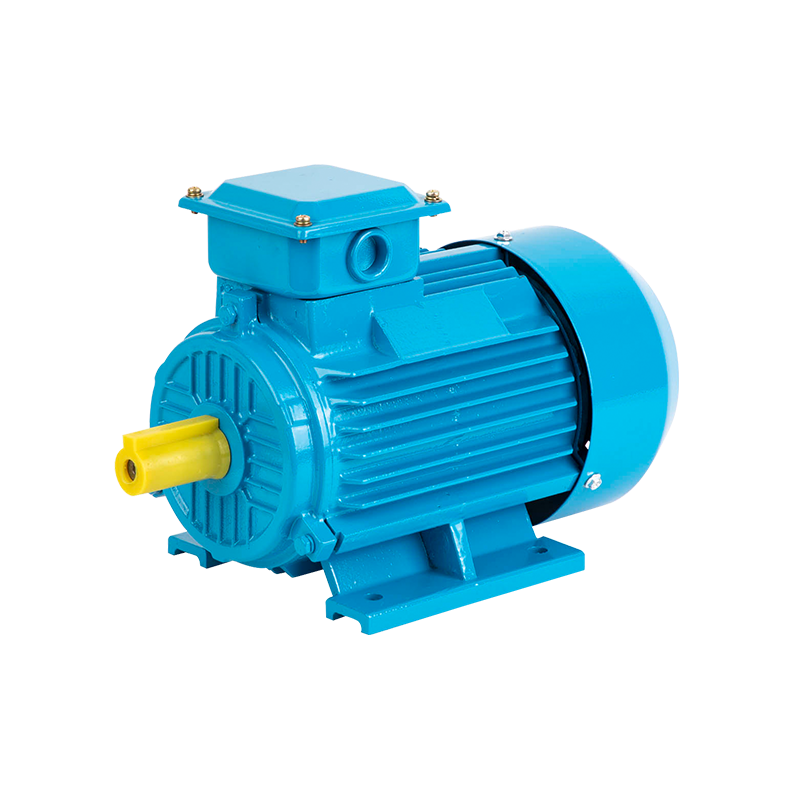
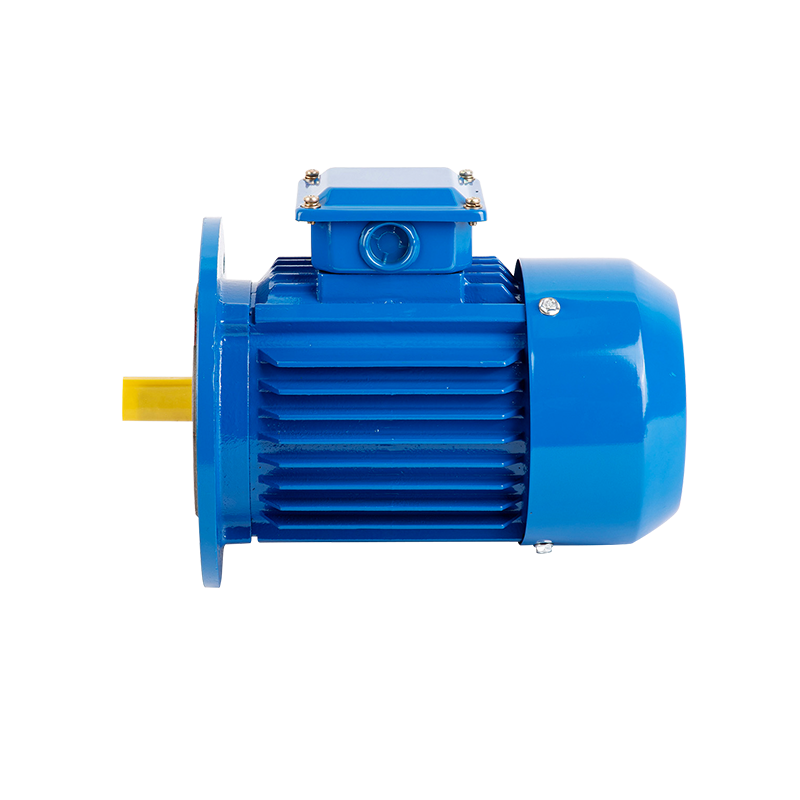
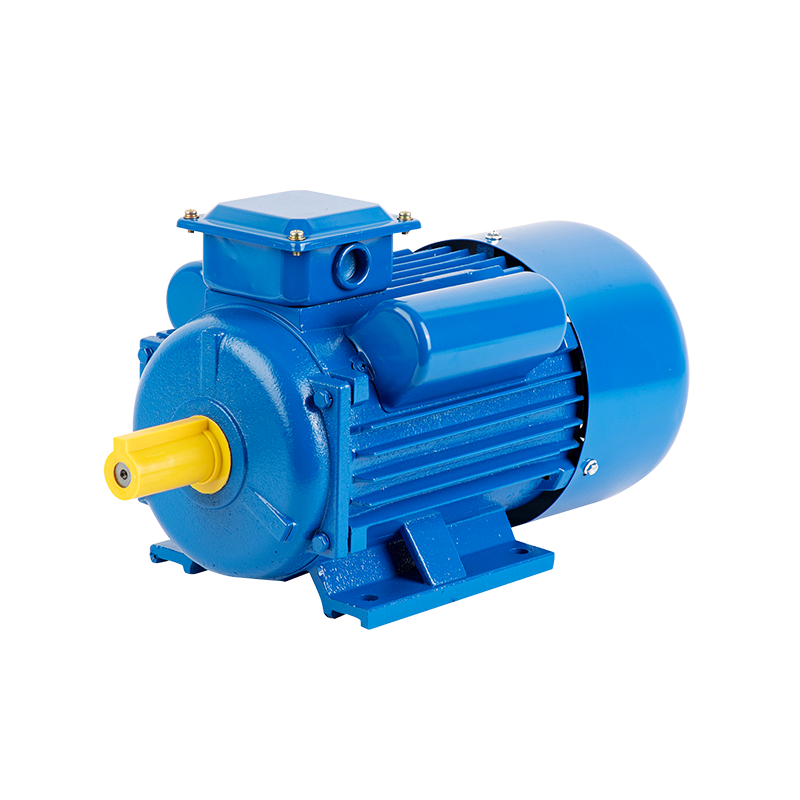
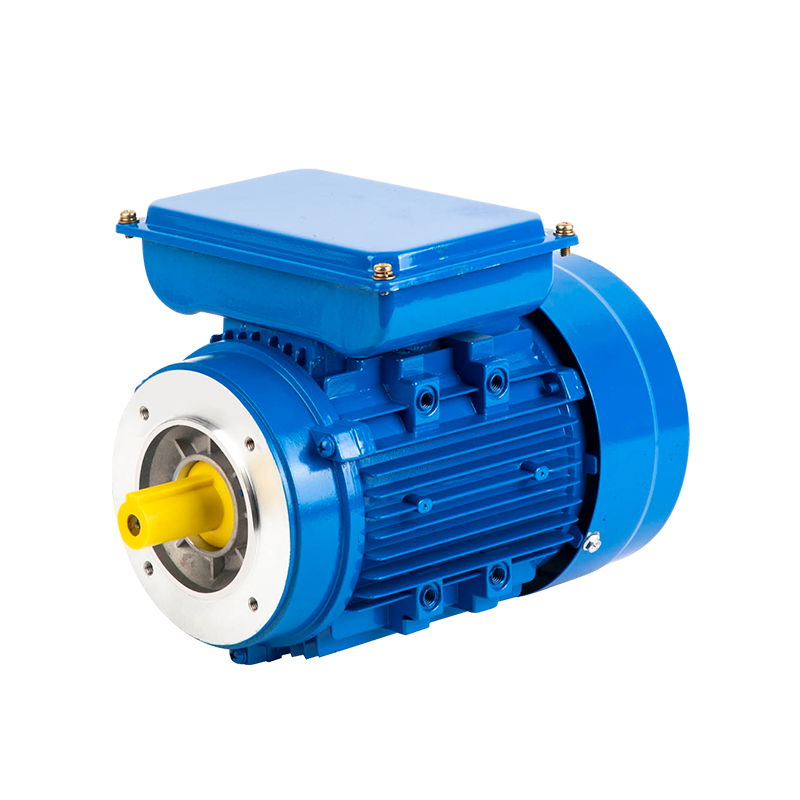
Industrial pumps are essential in many sectors, including manufacturing, chemical processing, water treatment, and agriculture. A reliable Industrial Pump Motor Supplier ensures that these systems receive high-quality motors designed for consistent performance. The supplier not only provides the physical components but also supports maintenance, technical guidance, and compatibility advice, which are crucial for minimizing downtime and maintaining efficiency in industrial operations.
1. Role of an Industrial Pump Motor Supplier
A supplier of industrial pump motors serves multiple purposes beyond simply providing motors:
- Product Sourcing: Access to a range of motors suitable for various pump types, including centrifugal, submersible, and positive displacement pumps.
- Technical Support: Guidance on motor specifications, voltage requirements, and load capacities to match operational needs.
- After-Sales Services: Assistance with installation, troubleshooting, and replacement parts ensures continued smooth operations.
By acting as both a product source and a technical partner, an Industrial Pump Motor Supplier helps companies maintain reliable pump performance and reduce operational risks.
2. Key Considerations for Choosing a Supplier
Selecting an appropriate Industrial Pump Motor Supplier is important for long-term performance. Companies should consider:
- Product Quality: Materials, design, and adherence to industry standards affect durability and efficiency.
- Availability: Suppliers with ready stock reduce times for replacement motors.
- Customization Options: Some suppliers offer motors tailored for specific industrial requirements or environmental conditions.
- Reputation and References: Feedback from other clients provides insight into reliability and service quality.
Careful selection ensures that purchased motors meet both technical requirements and operational expectations.
3. Advantages of a Reliable Supplier
Partnering with a consistent Industrial Pump Motor Supplier offers tangible benefits:
- Reduced Downtime: Rapid access to motors and replacement parts prevents long interruptions in operations.
- Improved Efficiency: Properly matched motors support pump performance, reducing energy waste.
- Extended Equipment Lifespan: High-quality motors and proper installation extend the life of pumps and related machinery.
- Professional Guidance: Suppliers often advise on preventive maintenance, which prevents common mechanical failures.
These advantages make suppliers critical partners in industrial operations.
4. Trends in Industrial Pump Motors
Suppliers are increasingly adapting to technological and market demands:
- Energy-Efficient Motors: Offering motors with lower power consumption while maintaining output.
- Smart Monitoring Integration: Some motors include sensors for real-time performance monitoring and predictive maintenance.
- Environmentally Resilient Designs: Motors designed to withstand heat, moisture, or chemical exposure in harsh industrial environments.
Staying informed of these trends allows companies to choose suppliers that provide future-ready solutions.
5. Supporting Maintenance and Safety
A knowledgeable Industrial Pump Motor Supplier can also guide maintenance practices:
- Routine Inspection Recommendations: Identifying signs of wear, vibration, or overheating.
- Replacement Schedules: Advising when to replace components to avoid unplanned shutdowns.
- Safety Guidelines: Ensuring motors are installed and operated according to industry safety standards.
This proactive support contributes to long-term operational stability and reduces the risk of accidents.
An Industrial Pump Motor Supplier plays a critical role in ensuring industrial pumps operate reliably and efficiently. From providing high-quality motors to technical support, maintenance advice, and guidance on system compatibility, the supplier acts as a partner in sustaining production and operational continuity. By carefully selecting a supplier with quality products and professional services, companies can improve efficiency, reduce downtime, and maintain the safety and longevity of their industrial systems.


