 English
 Español



Building 1, Block 4, Wufeng Industrial Park, Daxi Town, Taizhou City, Zhejiang Province, China
Power reaches factories in a couple of different shapes. Single phase runs on two wires with voltage rising and falling in one alternating wave. Three phase splits that into three separate waves, each one starting at a slightly different moment. That timing offset sounds like a minor engineering detail, but it changes almost everything about how a motor behaves once it's running.
In a single phase system, delivered power actually drops to zero twice during every cycle. The motor gets nothing during those brief windows — it has to coast on its own momentum until the next pulse shows up. Three phase power never does that. One phase might be peaking while another is transitioning, but somewhere across the three, power keeps flowing continuously. The motor gets a steady push rather than a series of nudges.
That continuous transfer is what produces smooth, even rotation. A motor running on three phase supply holds consistent torque without surges or pauses interrupting the flow. Vibration stays low as a result, and equipment connected downstream experiences less wear from the kind of irregular forces that single phase power tends to introduce. The driven load gets a steady stream of energy rather than a pulsing one.
Industrial facilities gravitated toward three phase systems largely because they suit motor applications so well in practical terms. The same amount of power can travel through smaller wires than single phase would need. Transformers end up simpler, switchgear stays standardized, and factories generally already have that infrastructure sitting in place — which makes adding new motors a fairly straightforward exercise rather than an infrastructure project.
Why Do Manufacturing Lines Depend on Motors That Start and Run Smoothly?
Production equipment performs when motion stays predictable. A conveyor that lurches on startup can tip boxes or shift their contents. A cutting blade accelerating unevenly produces inconsistent cuts. A pump surging unexpectedly disturbs whatever fluid it's handling. None of these problems stay isolated — they ripple through the rest of the line.
Rough starts send shock loads straight through the mechanical system. The motor shaft twists under the strain, the coupling absorbs a jolt, and the driven equipment feels that force transmitted directly. Repeat that hundreds or thousands of times, and the damage accumulates: bearings wear faster, belts stretch and eventually snap, mechanical joints work themselves loose over time. Smooth starts spare all of that.
Running conditions matter just as much as starting conditions. Plenty of manufacturing processes depend on tight speed consistency, since even a small shift in motor speed changes the product coming off the line — dimensions drift, coating thickness varies, cut quality becomes inconsistent. Motors running evenly help keep output uniform, and three phase motors deliver that even rotation naturally, since continuous power input translates into minimal torque pulsation.
There's a human side to this too. Predictable equipment reduces both operator fatigue and maintenance demands. When machines behave the same way shift after shift, operators can focus on production instead of constantly compensating for erratic behavior — and the underlying smoothness of three phase operation is really what makes that consistency possible across long production runs.
How Does Three Phase Motor Construction Support Continuous Operation?
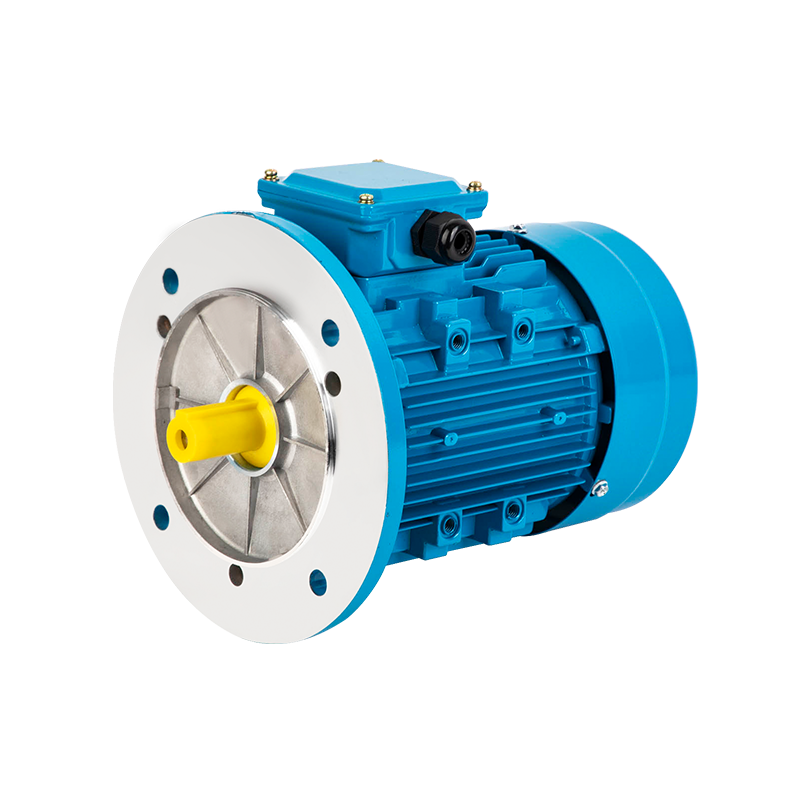
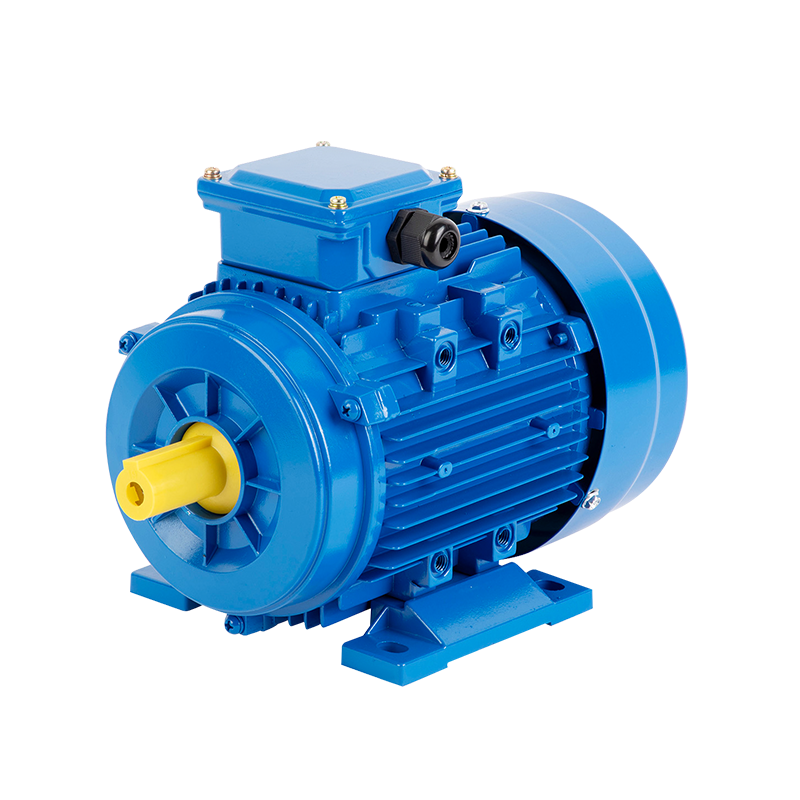
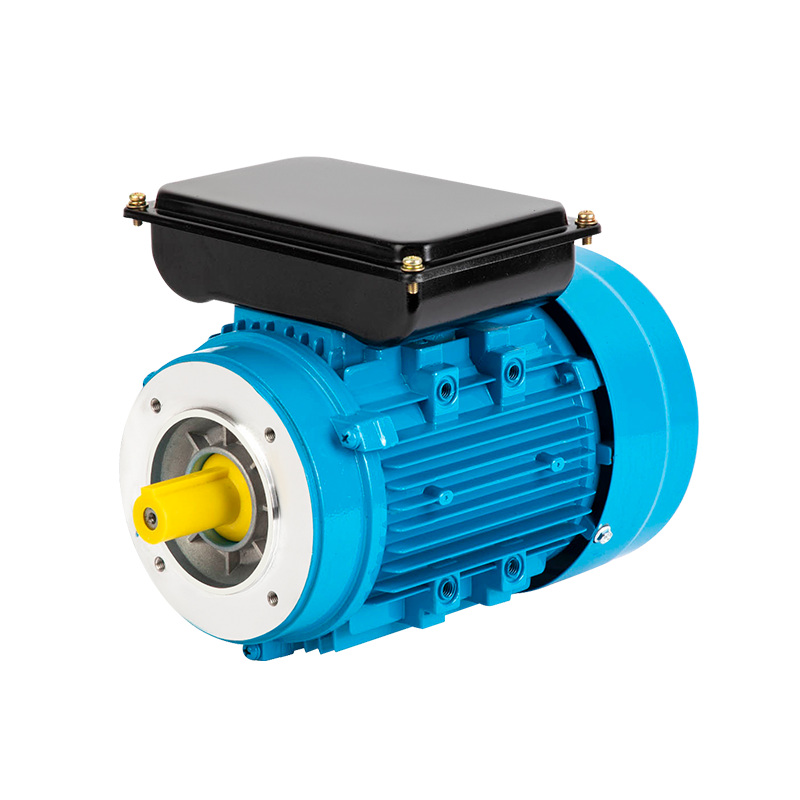
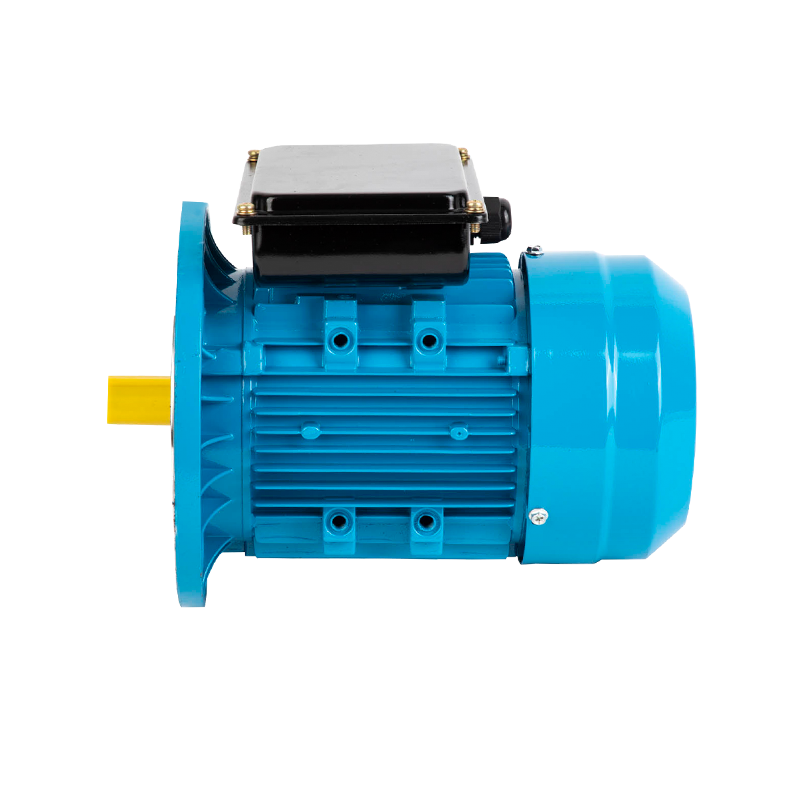
The inside of a three phase motor is a lot simpler than people tend to picture. The stationary part — the stator — holds copper windings arranged in slots around the housing. The rotor sits inside, spinning. In a standard induction motor, that rotor has no electrical connections running to the outside world at all. No brushes rubbing against commutators, no contacts sliding across rings. It's a remarkably clean design.
The magnetic field that actually turns the rotor forms on its own. Current flowing through the stator windings creates a rotating magnetic field that sweeps across the rotor, and the rotor simply follows, chasing that moving flux around. All of this interaction happens across the air gap — no physical contact between the electrical and mechanical sides required.
A few construction details stand out here:
- No brushes that wear out and need periodic replacement
- No commutator requiring surface maintenance
- A simple winding arrangement with straightforward connections
- A rotor containing no electrical circuits that need servicing
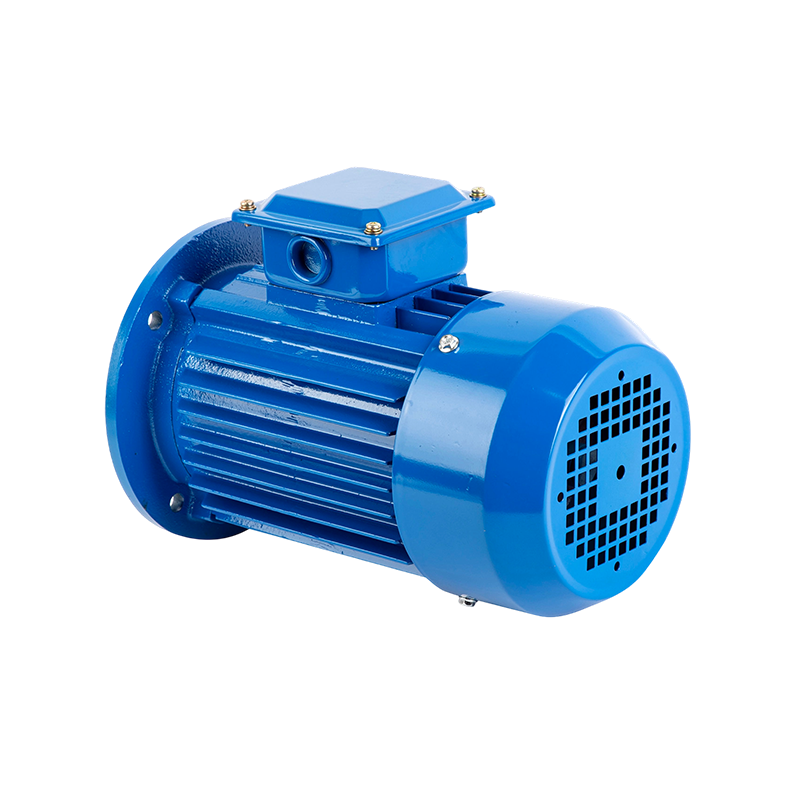
- An integral cooling fan built into the motor, moving air across the frame as it spins
Without sliding electrical contacts to wear down, three phase motors end up genuinely reliable over time. Bearings are really the only moving parts experiencing meaningful wear, and they're standard components with predictable service lives that are easy to plan around. With reasonable care, the electrical side of the motor often outlasts the mechanical components entirely — which is exactly the kind of robust, low‑fuss construction continuous production demands.
What Makes Three Phase Motors Suitable for Demanding Production Schedules?
Production lines don't keep gentle hours. Some run across multiple shifts back to back; others keep going through weekends and holidays without a real pause. Whatever motor powers that line has to keep turning without interruption for extended stretches.
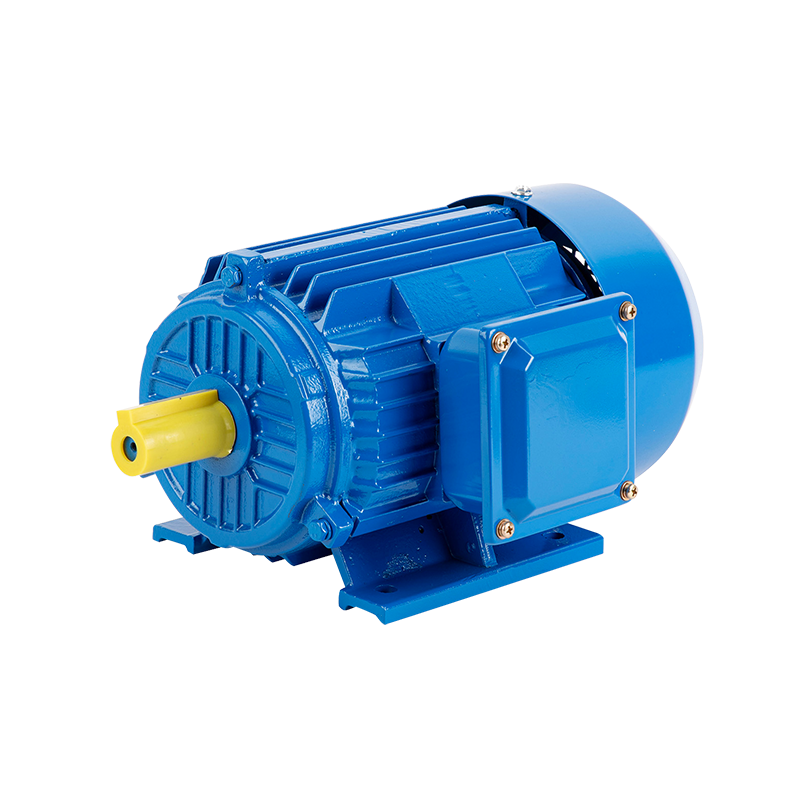
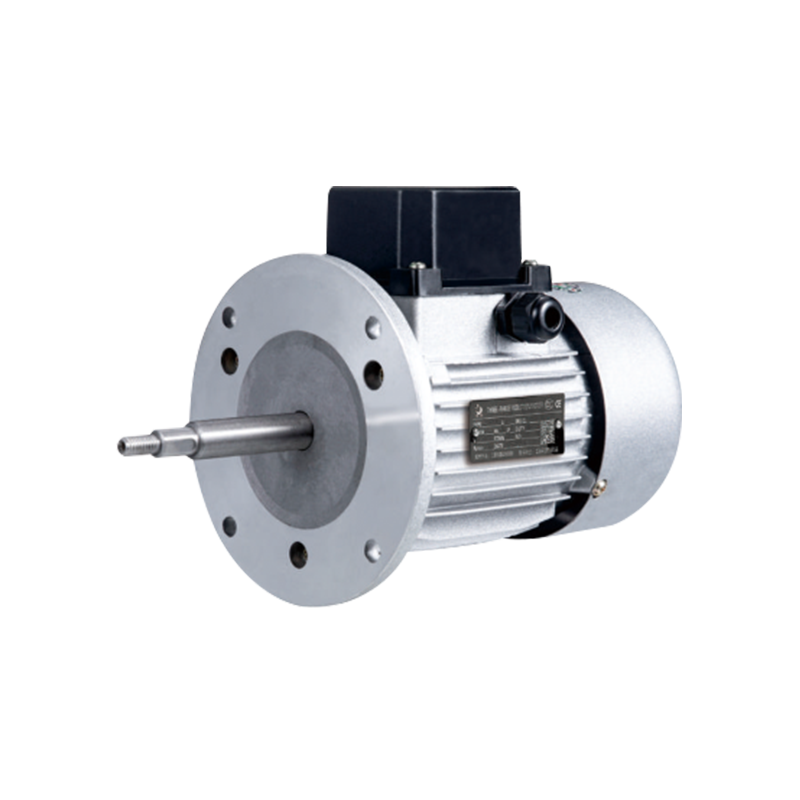
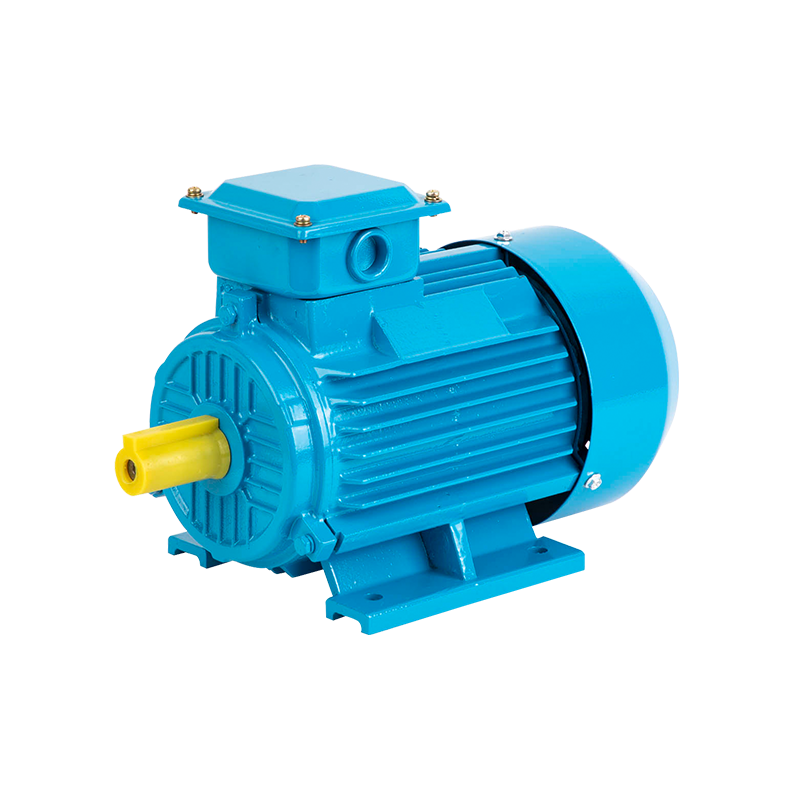
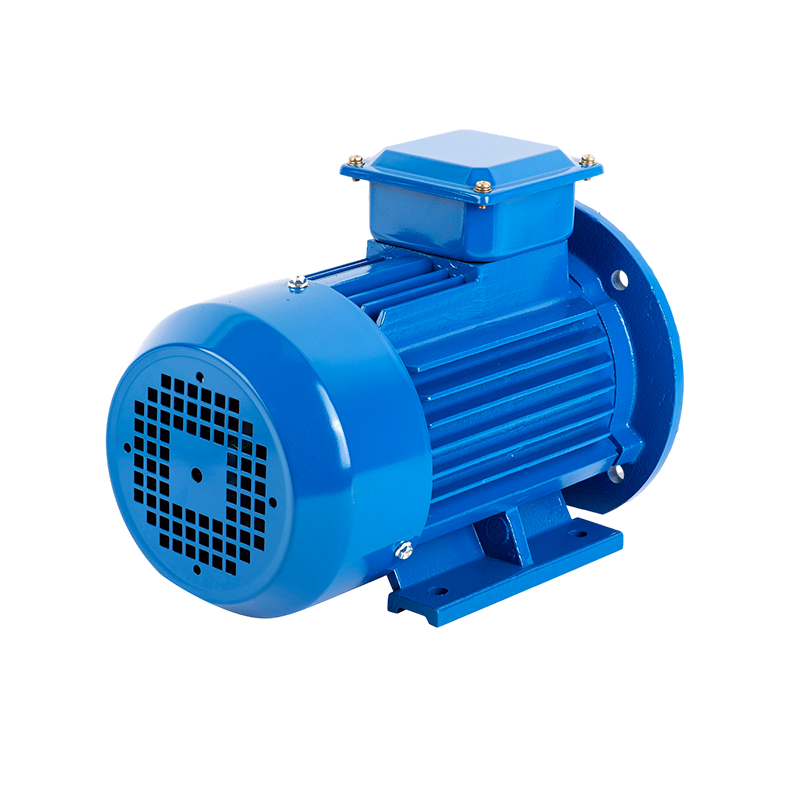
The relationship between motor design and production uptime depends on the motor's ability to handle continuous loads without overheating. A Three Phase Industrial Motor manages heat effectively because its design allows for good internal airflow and heat dissipation. The winding configuration distributes current across multiple phases, reducing the current in any one winding compared to a single phase motor of similar power output.
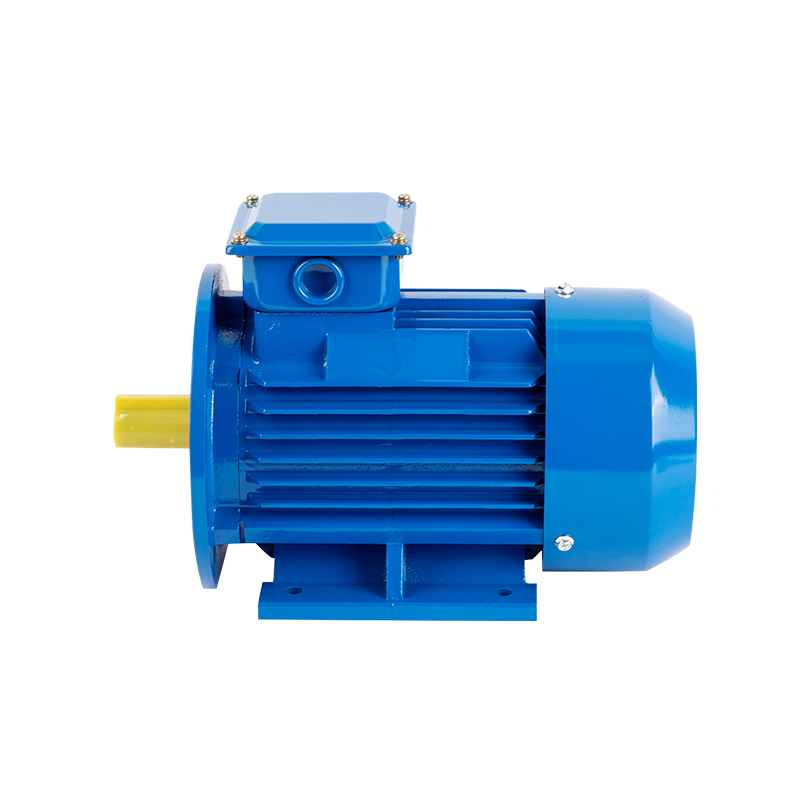
The construction also supports getting that heat out efficiently. Most three phase motors carry an integral fan mounted right on the shaft, and as the motor spins, that fan pulls air across the cooling fins automatically. Heat sheds to the surroundings without needing a separate external cooling system bolted on.
| Design Feature | How It Enables Continuous Operation |
|---|---|
| Three separate windings | Current distributed across phases reduces heating in any one winding |
| Self‑cooling fan | Airflow increases with speed, providing cooling proportional to load |
| Standard bearing design | Bearings are available from multiple sources with predictable service intervals |
| Simple insulation system | Fewer variables to affect insulation life under continuous operation |
| Robust frame construction | Handles thermal expansion and vibration from sustained running |
Production lines tend to favor motors that don't demand frequent maintenance interruptions, and three phase motors deliver on that front — extended operation supported by little more than routine bearing attention and occasional electrical checks. That's a good match for what modern manufacturing schedules actually require.
How Does Motor Size Relate to the Power Available from Three Phase Supply?
For any given power output, three phase motors run smaller than their single phase counterparts. The reason comes down to how the windings share the load — current in a three phase motor splits across three separate phases, so each winding only carries a fraction of what a comparable single phase motor's winding would need to handle. Lower current per winding means smaller copper conductors and less cross‑sectional area needed in the slots.
That smaller footprint translates into real practical benefits. The motor takes up less space on the production floor and weighs less, which makes installation and removal noticeably easier. Mounting requirements simplify too, since the physical footprint shrinks, and enclosures can shrink along with it — trimming material costs in the process.
Power availability shapes layout decisions as well. Because three phase motors deliver required power in a smaller package, line designers can position motors closer to the equipment they're driving — shortening shafts, simplifying power transmission arrangements, and occasionally easing structural requirements on the building itself.
Given how widely three phase power is already available across industrial facilities, these motors end up being the natural default choice. The supporting infrastructure already exists, motors across virtually any power rating come available in three phase construction, and that tight match between supply and motor type is exactly why manufacturing operations tend to treat three phase motors as standard equipment rather than a special‑order item.
Does Three Phase Motor Design Offer Maintenance Advantages?
Maintenance requirements shape the real total cost of owning any motor. A motor demanding constant attention eats into time and resources that could go elsewhere. One that runs reliably with minimal intervention just keeps production moving without drama.
Three phase induction motors carry a straightforward design that makes maintenance genuinely predictable. Bearings, electrical connections, and the insulation system are really the components that need ongoing attention. Bearings wear out eventually and need replacing at reasonably predictable intervals. Electrical connections need periodic checks to confirm they're staying tight and free from corrosion. Insulation condition deserves occasional verification, catching degradation early rather than after it's caused a failure.
Simplicity in the design cuts down on potential failure points considerably. No brushes wearing against commutators, no field windings needing periodic adjustment, no sliding contacts generating friction or debris. The motor runs entirely through electromagnetic induction, with no mechanical contact between electrical components at all.
Maintenance work on these motors tends to center on:
- Bearing inspection and replacement at scheduled intervals
- Cleaning ventilation passages to maintain proper cooling airflow
- Tightening electrical connections and checking for oxidation
- Insulation resistance testing to verify winding condition
- Lubrication of bearings according to manufacturer recommendations
Lower maintenance frequency pays off directly on the production floor. Unplanned downtime halts production and costs real money, whereas scheduled maintenance can get planned around production needs rather than forced by an emergency. That predictability in three phase motor maintenance is really what lets facilities schedule work whenever it's convenient rather than whenever something breaks.
Parts availability adds another layer of convenience here. Three phase motors follow standard frame sizes and mounting configurations, so replacement units come from plenty of sources. Bearings run standard sizes, electrical components conform to industry norms, and facilities keeping spares on hand can get back up and running quickly after any failure.
What Role Does Efficiency Play in Motor Selection?
Efficiency, put simply, describes how much of the electrical power going in actually becomes mechanical power coming out. Some loss along the way is unavoidable — windings generate heat, the core experiences magnetic losses, bearings consume a small amount through friction. A motor's efficiency rating essentially tells you how much of that input power actually reaches the equipment it's driving.
Three phase motors tend to hold good efficiency across much of their working load range. The design balances copper losses, core losses, and mechanical losses reasonably well, and at full load, these motors generally convert electrical energy into mechanical energy at a rate that compares favorably against other motor types.
Efficiency starts mattering a lot more once a motor runs continuously. A motor operating for the bulk of the day accumulates energy costs steadily, and even a fairly modest efficiency gap ends up creating a noticeable cost difference across a full year of operation.
Production facilities generally weigh both the upfront purchase price and the ongoing energy bill together. A more efficient motor might cost more at the outset but save money over its working life, and three phase motors tend to strike a practical balance between that initial investment and what it actually costs to run.
How Do Three Phase Motors Handle Varying Loads?
Production lines rarely settle into one constant load and stay there. Conveyors carry different quantities of product from one moment to the next. Mixers encounter shifting material consistencies. Pumps deliver volumes that change throughout a shift. Whatever motor drives these processes has to adapt to that constantly shifting demand.
Three phase motors handle this through their built‑in torque characteristics rather than any external intervention. When load rises, the motor slows slightly and pulls more current to deliver the torque required; when load eases off, it speeds back up and draws less current in response. The motor essentially tracks demand on its own, without needing outside control to make that adjustment.
An induction motor's torque‑speed curve slopes gradually downward as speed increases, and that characteristic is what allows stable operation across a range of loads without active regulation stepping in. The motor keeps running steadily as conditions shift, without stalling out or overspeeding in the process.
That kind of automatic load‑handling genuinely matters for production lines facing constantly changing conditions. Three phase motors respond to those shifts on their own, sparing the system the added complexity of external control equipment.
What Infrastructure Already Exists for Three Phase Motors?
Industrial facilities generally already have three phase power sitting in place. The distribution systems, transformers, and wiring already installed across manufacturing plants tend to support three phase equipment without modification. Adding another three phase motor typically just means connecting to power that's already there.
That widespread availability means motors can go in without touching the electrical supply at all. No special transformers, no phase conversion equipment — the motor connects directly into the existing system as‑is.
Familiarity plays a real role here too. Maintenance personnel already have hands‑on experience with these motors, spare parts sit commonly stocked, and training programs cover three phase operation as a baseline. That broad, existing knowledge cuts down on training time and reduces the odds of mistakes.
Infrastructure shapes replacement decisions as well. When a motor fails, the obvious replacement is another unit of the same type — mounting arrangement, shaft size, and electrical connections all line up with what's already there. Switching to a different motor type entirely would mean modifications that cost both time and money nobody's budgeted for.
Why Should a Three Phase Motor Factory Consider Application Factors?
Understanding how motors actually get used in the field helps a Three Phase Motor Factory build genuinely better products. Factory conditions look nothing like a controlled lab environment — motors deal with voltage variations, shifting ambient temperature, and loads that change throughout a shift. Products designed with those real‑world conditions in mind end up serving users considerably better than ones optimized purely for spec sheet numbers.
That kind of application knowledge shapes design decisions in a few distinct ways. Bearing selection needs to account for actual loading patterns and realistic service life expectations. Insulation systems should be specified around the temperature conditions a motor will genuinely encounter. Frame construction needs to reflect typical mounting arrangements rather than idealized ones, and cooling design should mirror actual operating environments instead of textbook assumptions.
User experience often reveals requirements that specifications alone simply can't capture. Operators notice how a motor responds to starting commands in practice. Maintenance personnel observe how long components actually last between service intervals in the field. Both kinds of observation end up guiding product improvement in ways lab testing alone wouldn't surface.
The relationship between design quality and manufacturing consistency really does matter here. A Three Phase Motor Factory that genuinely understands what production lines demand day to day is in a far better position to build motors that meet those demands reliably, rather than motors that merely look good on paper.


