 English
 Español



Building 1, Block 4, Wufeng Industrial Park, Daxi Town, Taizhou City, Zhejiang Province, China
Industrial equipment often needs to keep running for long periods without frequent stops. Pumps, fans, conveying equipment, and other machines may operate through extended work cycles, making motor selection closely related to the way the equipment is used. A motor that works well during short tasks may face different demands when it remains active for a long operating period.
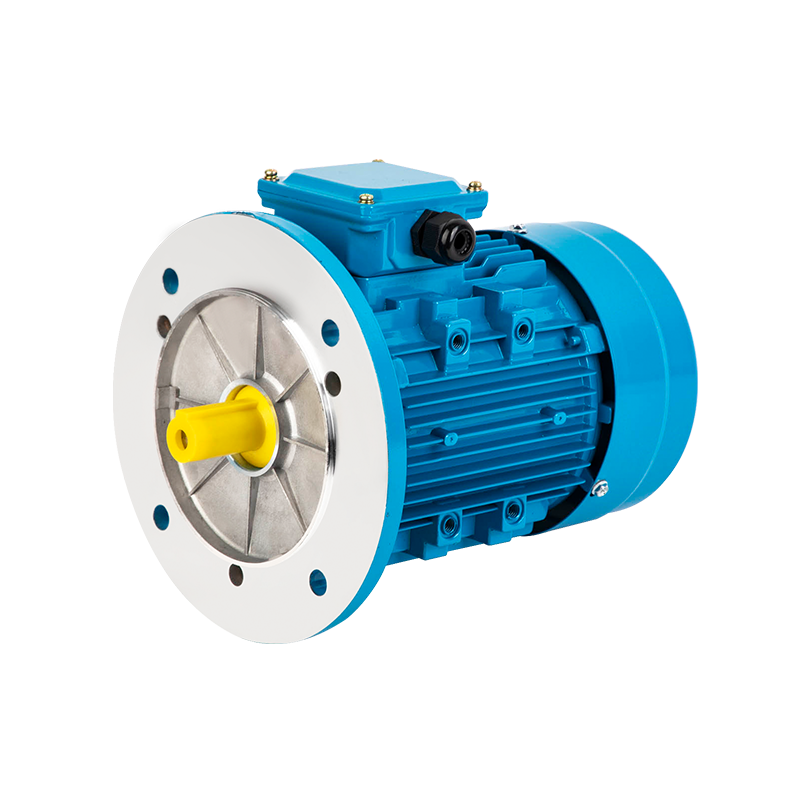
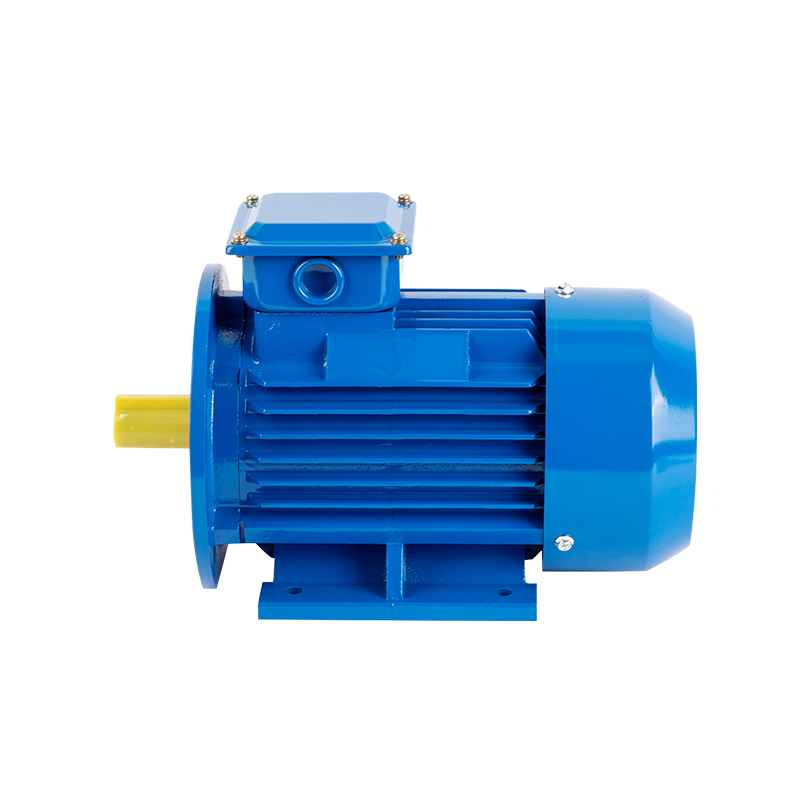
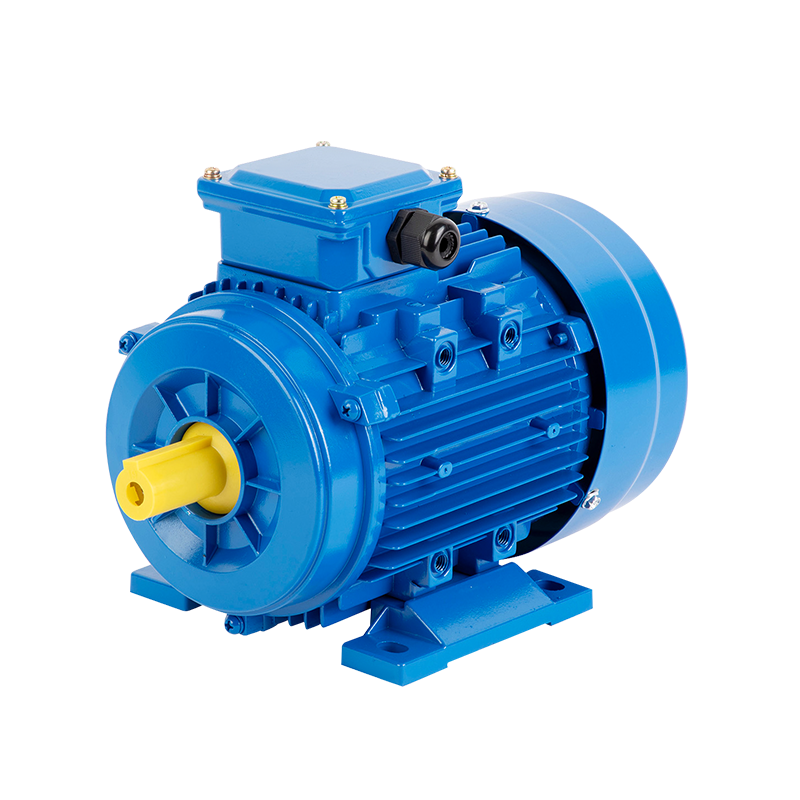
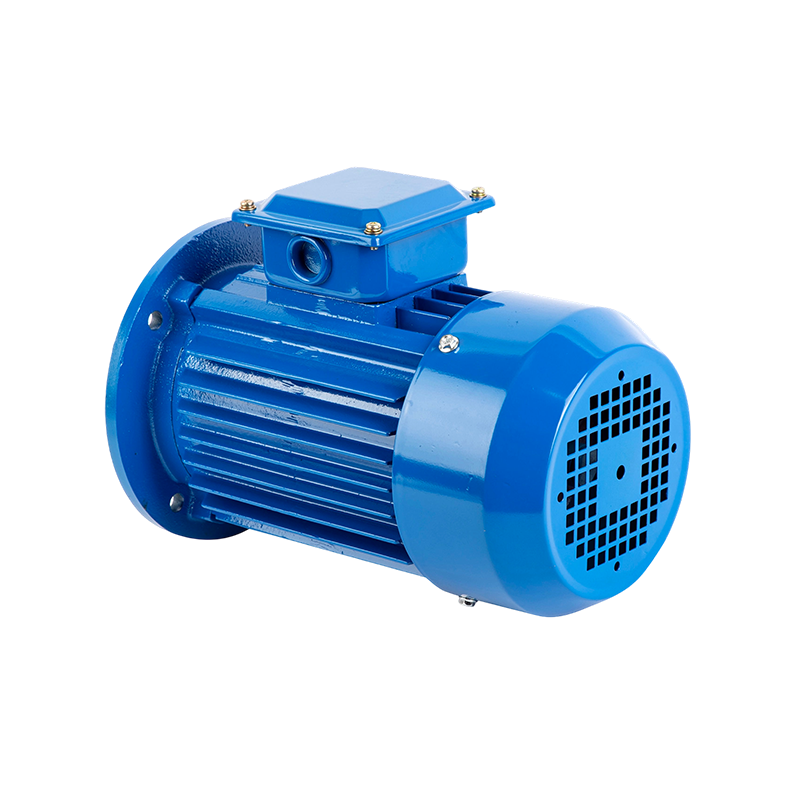
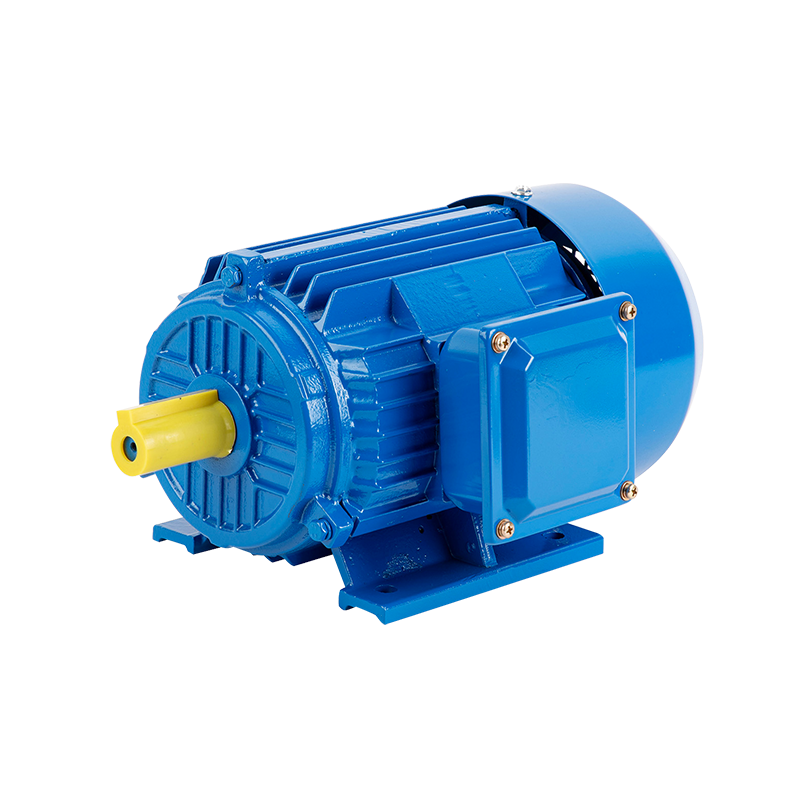
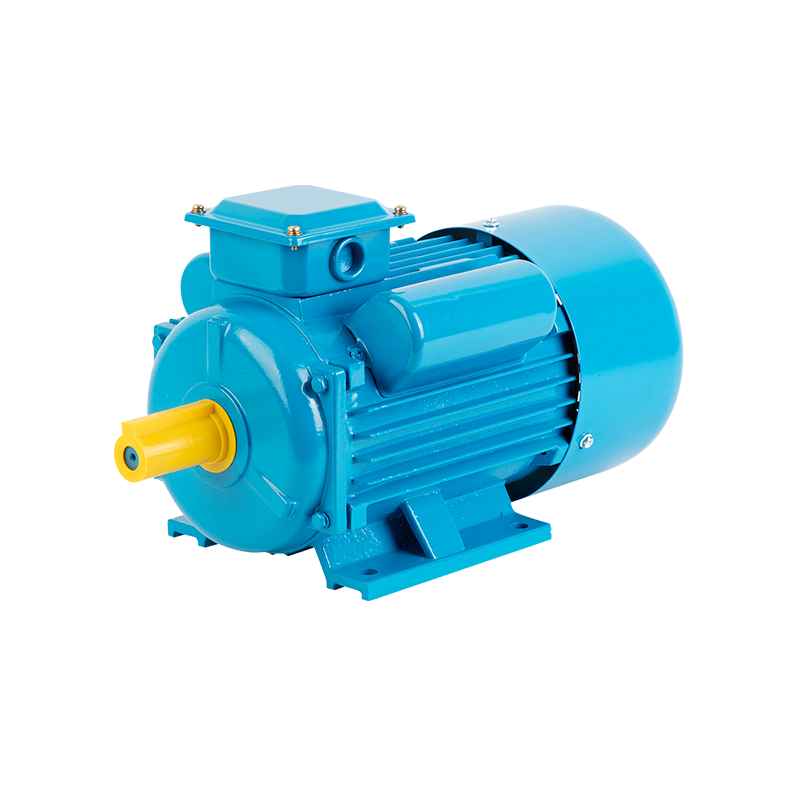
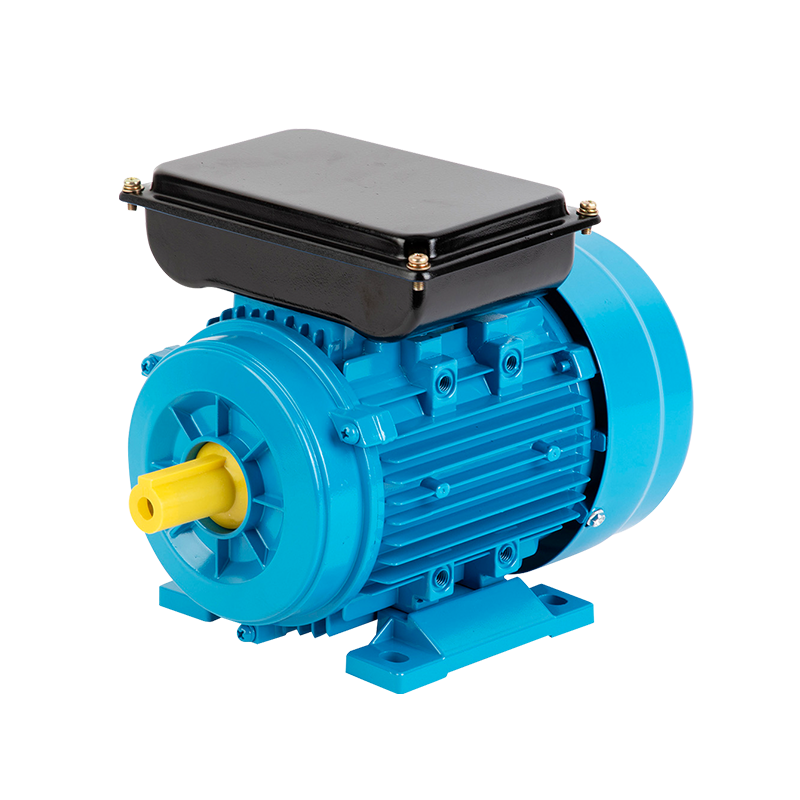
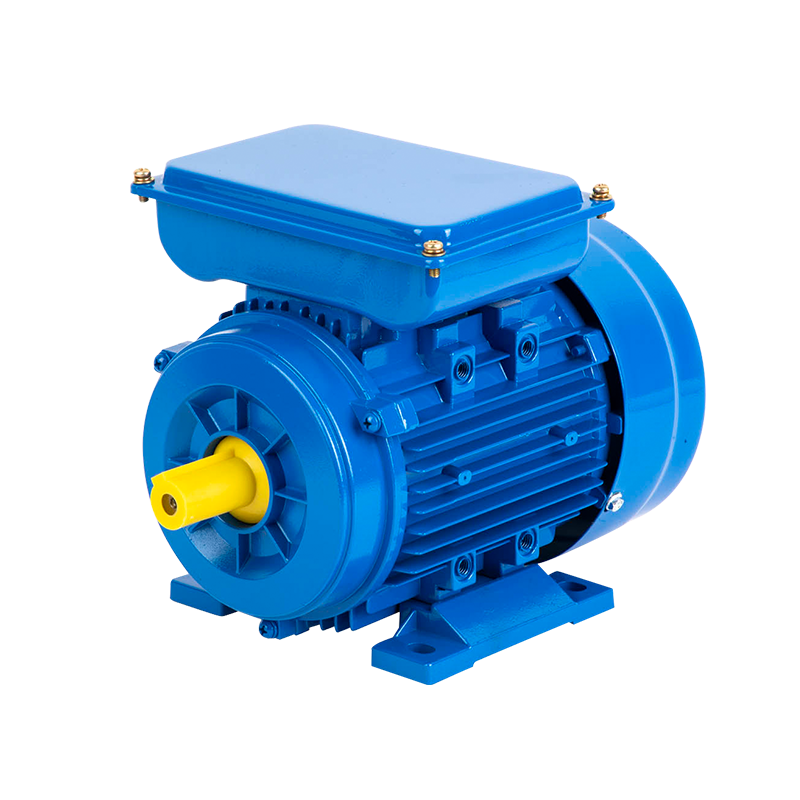
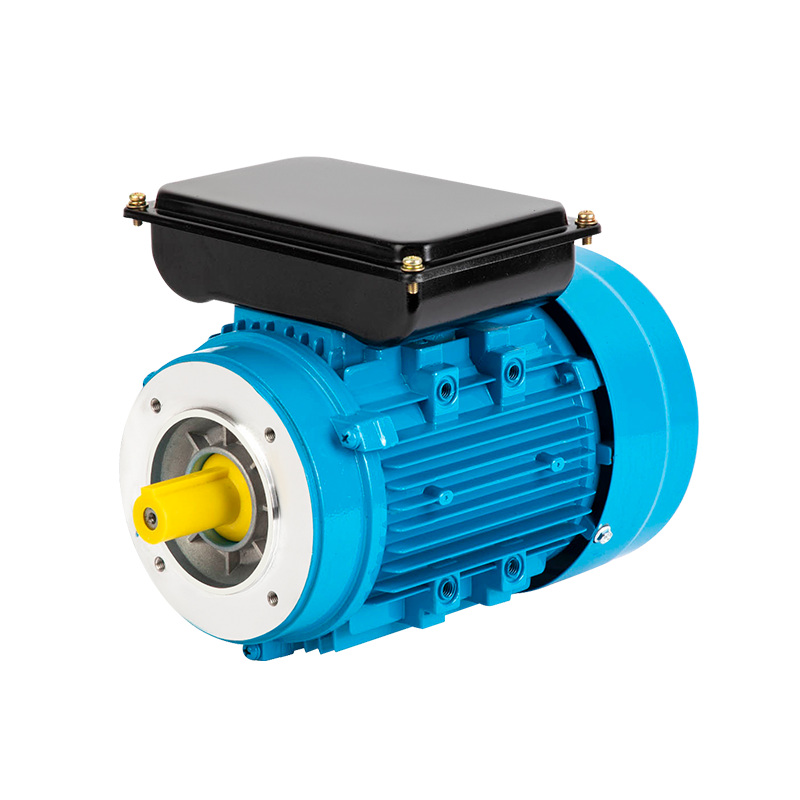
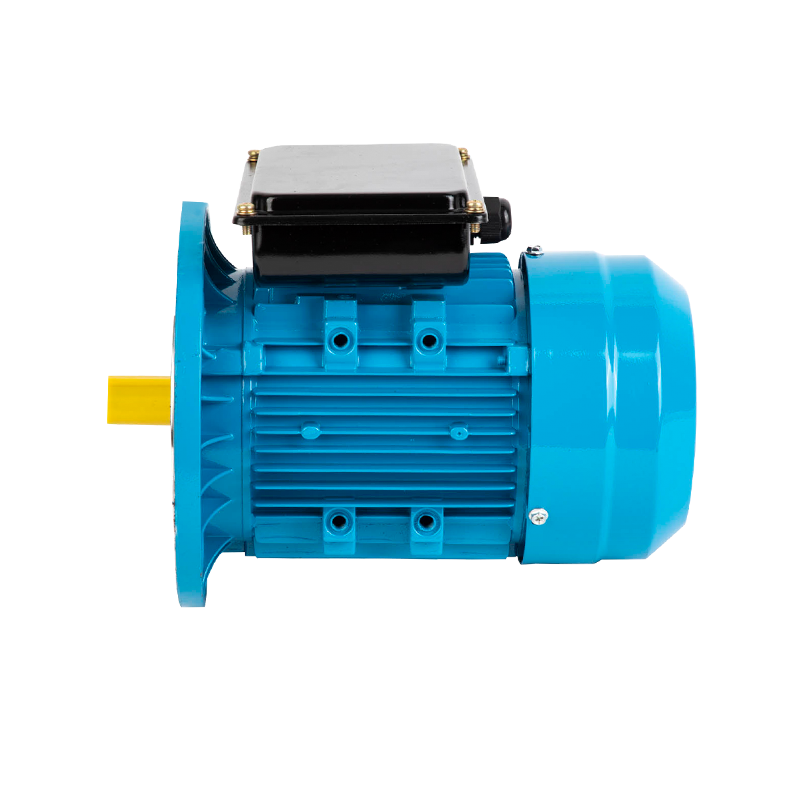
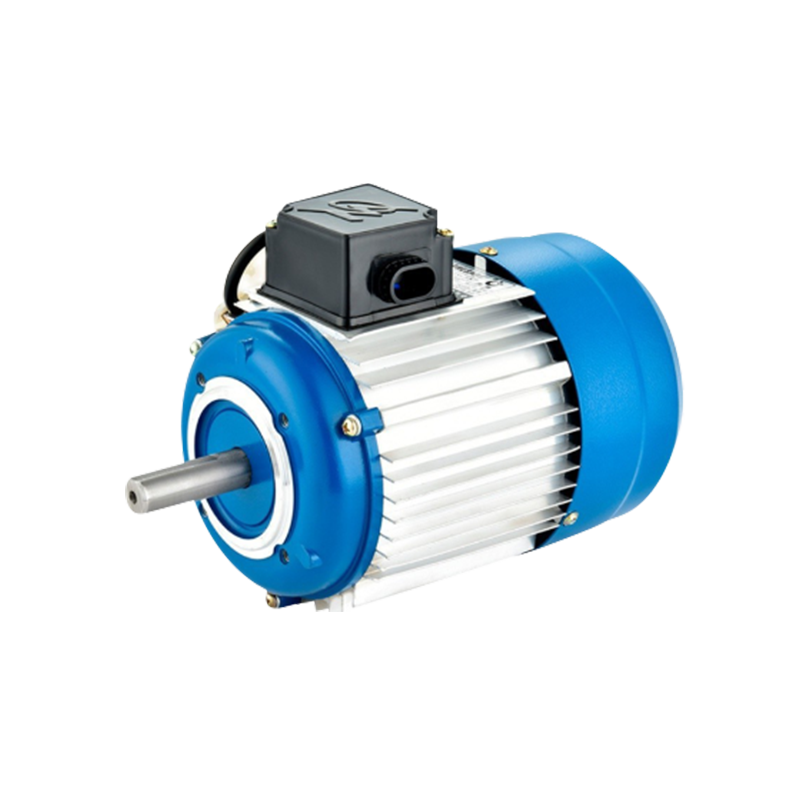
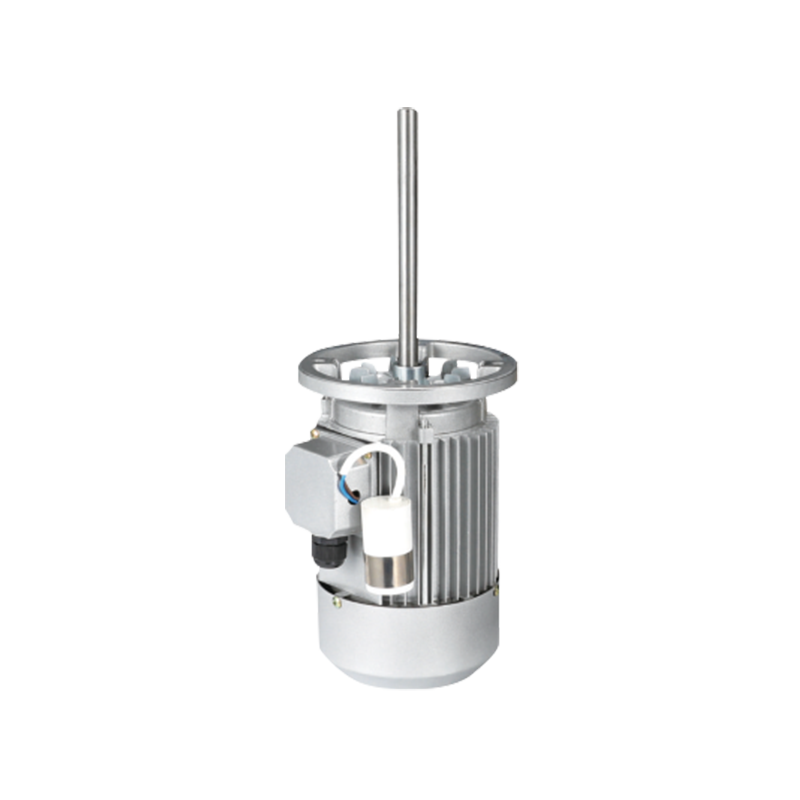
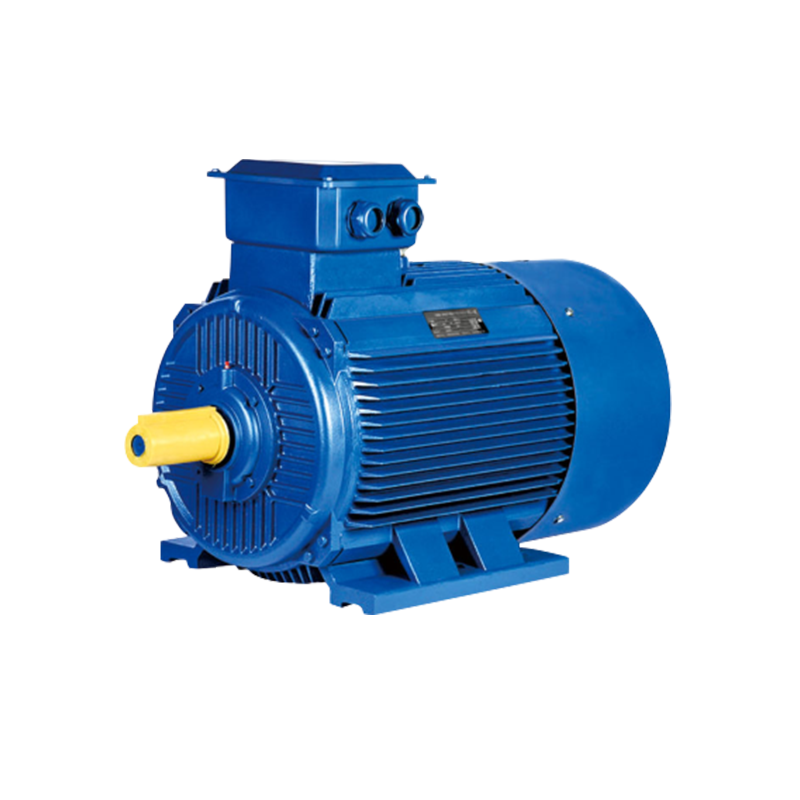
A Three Phase Industrial Motor can be used in many industrial settings, yet continuous operation depends on more than the motor type alone. Load conditions, heat management, surrounding conditions, mechanical connections, and maintenance practices all have a role. For synchronous motors, stable operation can be useful in applications where consistent movement is part of the equipment's normal working process.
What Does Continuous Operation Mean for an Industrial Motor?
Continuous operation refers to a working condition in which a motor runs for an extended period rather than starting and stopping frequently. The motor remains connected to the equipment while performing its assigned task, so the operating environment has time to influence its condition.
A motor used in this way needs to handle the heat produced during normal operation. Electrical energy is not converted into mechanical movement without some energy loss, and part of that energy appears as heat. When operation continues, the motor needs a suitable way to release that heat into the surrounding environment.
The load also matters. A pump moving fluid at a relatively steady rate creates a different operating pattern from equipment that repeatedly changes speed, direction, or resistance. A machine may therefore be suitable for continuous running while another machine with the same general motor type may require a different operating arrangement.
Several conditions are worth considering before continuous use:
- The motor should match the equipment's normal workload.
- The surrounding area should allow heat to move away from the motor.
- Electrical connections need to remain secure and in suitable condition.
- Mechanical parts connected to the motor should operate smoothly.
- Maintenance access should be practical for the working environment.
Starting and stopping frequency also changes the nature of motor use. Repeated starting can place a different demand on the electrical and mechanical parts than steady operation. Continuous running removes some of those repeated starting actions, yet it places greater attention on heat, load stability, and long operating periods.
For industrial equipment, the question is therefore not simply whether a motor can remain switched on. The more useful question is whether the motor, driven equipment, electrical supply, and working environment are suitable for the intended operating pattern.
How Does a Three Phase Synchronous Motor Work During Long Running Periods?
A synchronous motor operates in coordination with the rotating magnetic field created by its electrical supply. Once running under suitable conditions, the rotor follows the rotating field rather than continuously changing its speed according to the mechanical load in the same way as some other motor types.
For industrial equipment that depends on consistent movement, this operating characteristic can be useful. A pump, fan, or conveying system may need predictable rotational movement so that the connected equipment can perform its intended task without unnecessary speed changes.
Continuous operation still requires attention to the actual load. A stable motor speed does not mean that the motor is unaffected by changes in the equipment. When resistance rises, the motor has to respond to the additional mechanical demand. A sudden change in workload can therefore affect the operating condition even when the basic rotation remains coordinated with the electrical supply.
The connection between motor and machine is also important. Misalignment, mechanical resistance, or problems in connected components can make the motor work under conditions different from those expected during normal operation. In practice, motor selection cannot be separated completely from the equipment it drives.
| Operating Area | What to Consider | Why It Matters |
|---|---|---|
| Load | Whether the working demand remains suitable | Helps avoid unnecessary operating stress |
| Heat | Whether heat can leave the motor area | Supports stable operation |
| Electrical Supply | Whether connections remain suitable | Helps maintain normal motor operation |
| Mechanical Connection | Whether connected parts move smoothly | Reduces unnecessary resistance |
| Environment | Dust, moisture, and surrounding temperature | Can affect maintenance needs |
The motor's behavior during operation can provide useful information as well. Changes in sound, vibration, temperature, or starting behavior may indicate that the equipment needs inspection. Such changes should not automatically be treated as a motor fault because connected machinery, electrical connections, or environmental conditions can also contribute.
Which Operating Conditions Affect Continuous Motor Operation?
Industrial environments are rarely identical. A motor installed inside a clean equipment room may face different conditions from one working near production materials, dust, moisture, or outdoor air. The surrounding environment can influence how frequently inspection and cleaning are needed.
Load variation is one important factor. Equipment may normally operate at a steady workload but experience temporary increases when material flow changes or mechanical resistance rises. Occasional changes may be part of normal operation, while repeated or unexpected changes can place additional demand on the drive system.
Frequent starting and stopping create another operating pattern. Equipment designed around intermittent work may not have the same requirements as machinery intended to remain in operation for a long period. Understanding the actual work cycle helps avoid choosing a motor based only on its general application.
The installation area also deserves attention. Restricted airflow around the motor can make heat removal more difficult. Dust can collect around external surfaces and ventilation areas, while moisture may affect exposed connections or surrounding components.
Mechanical conditions are equally relevant. A motor can be electrically sound while the connected equipment develops increasing resistance. Bearings, belts, couplings, shafts, or other mechanical parts may influence how much effort is required to keep the machine moving.
A practical assessment can therefore look at four areas:
- Workload: How does the equipment normally behave during operation?
- Environment: Is the motor exposed to dust, moisture, heat, or limited airflow?
- Mechanical condition: Do connected parts move freely and remain properly aligned?
- Operating pattern: Does the machine run steadily or change frequently between working and stopped states?
These factors also affect maintenance planning. A motor operating in a demanding environment may need more frequent visual checks even when its basic working conditions have not changed. The inspection routine should reflect how the equipment is actually used rather than follow an unrelated schedule.
For manufacturers and equipment designers, understanding these conditions during the selection stage can reduce later adjustments. A Three Phase Motor Factory also needs to consider how the intended motor design will interact with different installation and operating environments.
How Does Heat Management Affect Long Term Motor Use?
Heat is a natural part of motor operation. Whenever electrical energy is converted into mechanical movement, some energy is released as heat. During short operating periods, the surrounding structure may have enough time to absorb or release that heat. Longer operation places greater attention on how effectively the heat can move away from the motor.
The installation area has a direct connection with this process. A motor surrounded by suitable open space has more opportunity to release heat than one placed close to other equipment or enclosed without adequate airflow.
Ventilation areas should also remain reasonably clean. Dust accumulation can interfere with the movement of air around external surfaces. In agricultural, workshop, and industrial settings, airborne material may gradually collect even when the motor itself continues to operate normally.
Cleaning practices should match the motor's construction and installation requirements. Excessive water exposure is not appropriate for every electrical installation, and cleaning around electrical parts should be handled with care.
Temperature changes can also come from the equipment itself. A motor working near heated machinery or inside a poorly ventilated room may experience a different thermal environment from one installed in an open, cooler area.
Useful checks include:
- Keep ventilation areas clear of unnecessary buildup.
- Avoid placing heat‑producing equipment too close to the motor.
- Check for unusual temperature changes during routine operation.
- Keep the surrounding area reasonably clean.
- Make sure the installation provides suitable space for heat release.
Heat management is closely tied to load. When mechanical demand rises, the motor may need to work harder, which can change its heat generation. For that reason, cooling should not be considered separately from the equipment's normal workload.
A motor intended for continuous service needs an operating environment that supports both its electrical and mechanical functions. Once heat, load, installation conditions, and maintenance are considered together, the suitability of continuous operation becomes a question of matching the motor to the actual working conditions rather than relying on motor type alone.
What Should a Three Phase Motor Factory Consider for Continuous Use?
Motor production for continuous industrial use involves more than assembling electrical and mechanical parts. The intended operating environment influences decisions about the motor's construction, cooling arrangement, connections, and inspection requirements.
A Three Phase Motor Factory needs to understand how the motor is expected to work after installation. A unit intended for a pump may face a different load pattern from one connected to conveying equipment or a ventilation system. The operating conditions can influence the way the motor is designed and checked during production.
Heat management is one area that requires attention during manufacturing. The motor needs a suitable path for heat to move away from internal working parts and into the surrounding environment. The design also needs to take account of the space and conditions in which the finished motor is expected to operate.
Mechanical construction is another consideration. The housing, shaft connection, mounting arrangement, and other physical elements need to work with the equipment into which the motor will be installed. A mismatch between the motor and driven machine can create problems even when the electrical characteristics appear suitable.
Production checks may also focus on areas such as:
- Electrical connections and insulation condition
- Mechanical assembly
- Rotation and operating behavior
- Mounting dimensions
- Surface and housing condition
- Cooling and ventilation arrangements
The intended application should remain clear throughout this process. A motor designed around continuous operation needs to be assessed in relation to the working conditions it is expected to face.
At the same time, manufacturers cannot determine every detail of the final installation. Actual airflow, ambient conditions, connected equipment, maintenance practices, and electrical installation can vary from one site to another. The information supplied for installation and operation therefore has a practical role in helping the motor work within its intended conditions.
For buyers and equipment designers, communicating the expected work pattern with a Three Phase Motor Factory can make the selection process more precise. Information about load changes, operating environment, installation space, and maintenance access gives manufacturers a clearer picture of the application.
How Can Maintenance Support Continuous Motor Operation?
Regular maintenance does not need to become a complicated process. A simple inspection routine can help identify changes before they interfere with normal equipment operation. The appropriate frequency depends on the working environment, equipment design, and actual usage.
Visual inspection is a practical starting point. The motor housing, mounting points, cables, ventilation areas, and nearby mechanical components can be checked for visible changes. Dust buildup, loose connections, unusual marks, or signs of moisture may indicate that closer attention is needed.
Sound and vibration can also provide useful clues. A change from the normal operating condition may come from the motor, the connected machine, or the mechanical connection between them. Rather than assuming the cause, maintenance staff can compare the change with other operating conditions.
Temperature deserves similar attention. A motor may naturally become warm during operation, so the focus should be on unusual changes compared with its normal working state. A sudden increase may be associated with load changes, restricted airflow, electrical issues, or mechanical resistance.
Routine care can include:
- Inspect the motor and surrounding area.
- Keep ventilation openings reasonably clear.
- Check electrical connections according to maintenance instructions.
- Observe changes in sound, vibration, and temperature.
- Inspect connected mechanical parts.
- Record unusual conditions for later maintenance checks.
Cleaning should be appropriate for the motor and its installation. Dust can be removed from suitable external areas, while water and cleaning materials should be kept away from components where exposure could cause damage.
Maintenance records can also help when several similar machines are used in one facility. Notes about inspections, cleaning, repairs, and unusual operating conditions can make recurring issues easier to identify. The purpose is not to create unnecessary paperwork, but to retain useful information when a motor begins behaving differently.
Continuous operation places a steady demand on the complete drive system. Good maintenance therefore involves more than checking whether the motor still turns. The condition of the equipment connected to it can have a direct effect on the motor's workload.
Which Industrial Applications Can Use Synchronous Motors Continuously?
Synchronous motors can be considered for industrial equipment where continuous movement and consistent rotational behavior are part of the normal operating process. The suitability depends on the actual equipment rather than on the motor category alone.
Pumping systems are one example. A pump may need to operate for extended periods while moving water or another fluid through a process. In such an application, the motor needs to work with the pump's normal load and the conditions of the connected system.
Fans and ventilation equipment can also involve extended running. Air movement may continue for long periods, placing attention on heat release, mechanical balance, and the condition of the surrounding installation.
Conveying equipment presents a somewhat different situation. A conveyor may run steadily for part of its operating cycle while experiencing changes as material enters or leaves the system. The motor therefore needs to suit both the normal movement and the expected changes in mechanical demand.
Other possible applications include industrial machines that require controlled and predictable rotational movement. Each case still needs to be assessed according to:
- Normal operating load
- Starting and stopping pattern
- Installation environment
- Cooling conditions
- Mechanical connection
- Maintenance access
A Three Phase Industrial Motor used in these applications should be considered as part of the complete equipment system. Motor characteristics, driven machinery, electrical supply, installation conditions, and maintenance practices all influence how continuous operation works in practice.
The manufacturing side also remains relevant. A Three Phase Motor Factory may produce motors for different operating requirements, so the intended application needs to be communicated clearly. Information about the equipment and working environment helps connect the motor design with its eventual use.
Continuous operation is therefore not simply a question of leaving a motor running for a long period. It involves the relationship between workload, heat, electrical conditions, mechanical movement, and the environment around the machine.
How Should a Three Phase Industrial Motor Be Evaluated for Continuous Operation?
A practical evaluation starts with the equipment rather than the motor name alone. The working process determines how much mechanical demand is placed on the motor, how often the machine starts and stops, and how long it normally remains in operation.
The installation environment comes next. Dust, moisture, surrounding heat, restricted airflow, and limited maintenance access can all change the conditions under which the motor operates. A suitable motor installation should take these factors into account before regular operation begins.
Load behavior should also be considered over the full working cycle. A machine may appear to have a steady workload during normal operation while experiencing different conditions during starting, loading, unloading, or process changes. Understanding those transitions gives a clearer picture of what the motor needs to handle.
Maintenance completes the assessment. Even a suitable motor can encounter problems when ventilation areas become blocked, connections loosen, or connected mechanical parts develop additional resistance. Regular observation helps keep the actual operating conditions close to those expected during selection and installation.
For industrial users, a useful evaluation can therefore focus on five connected areas:
- Work pattern: How long does the equipment normally run?
- Load: How does mechanical demand change during operation?
- Environment: What conditions surround the motor?
- Installation: Is the motor properly connected to the equipment and electrical system?
- Maintenance: Can the motor and connected parts be inspected and serviced appropriately?
A Three Phase Industrial Motor can be suitable for continuous operation when its design and installation match the working conditions of the equipment. Synchronous motor selection should therefore be based on the actual application, including load behavior, heat management, environmental conditions, mechanical connections, and maintenance needs.


