 English
 Español



Building 1, Block 4, Wufeng Industrial Park, Daxi Town, Taizhou City, Zhejiang Province, China
Industrial motors often operate in places where moisture, dust, heat, vibration, and airborne particles are part of normal working conditions. Outdoor machinery may face rain and changing temperatures, while equipment inside workshops can encounter dust, oil residue, cleaning agents, and constant mechanical movement.
A motor housing has several jobs beyond holding internal parts together. It provides physical protection, supports installation, helps transfer heat away from internal components, and forms part of the barrier between sensitive electrical parts and the surrounding environment.
Material choice therefore has a direct relationship with working conditions. A housing that performs well in a clean indoor room may need additional protection when equipment moves into a damp processing area or an exposed outdoor location.
Aluminum is used in many motor housing applications because it combines relatively low weight with useful heat transfer and resistance to general environmental exposure. Such characteristics make an aluminum enclosure suitable for applications where equipment needs to remain manageable during installation while also dealing with changing operating conditions.
Harsh environments do not all present the same challenge. A dusty workshop creates different concerns from a humid outdoor installation, while an area exposed to corrosive substances requires another level of protection. Housing selection should therefore begin with the surrounding environment rather than with material preference alone.
How Does Aluminum Help Manage Motor Heat
Heat is a normal part of motor operation. Electrical energy is converted into mechanical movement, while part of the energy becomes heat inside the motor. Without suitable heat transfer, internal temperature can rise and influence insulation, bearings, winding conditions, and other components.
Housing material plays a role in moving heat away from internal areas. Aluminum can transfer heat through the housing toward its external surface, where surrounding air or a cooling arrangement can carry heat away.
Housing shape matters along with material. A larger external surface can provide more contact with surrounding air, while ribs or other structural features may support heat dissipation. Ventilation and installation space can influence how effectively heat leaves the motor.
Placement should also be considered. A motor installed close to a wall, enclosed inside machinery, or surrounded by other hot equipment may have less opportunity to release heat than a motor operating in an open area.
Several conditions can influence thermal behavior:
- Ambient temperature
- Air movement around the housing
- Installation clearance
- Motor operating load
- Housing surface area
- Cooling arrangement
- Accumulated dust or dirt
Dust deserves particular attention in industrial settings. A layer of dust can reduce contact between the outer surface and surrounding air, while certain deposits may also retain heat around the housing.
Regular cleaning can therefore support normal heat transfer. Cleaning methods need to suit the motor enclosure and installation conditions so that water, chemicals, or physical impact do not create another problem.
Heat management is consequently a combined matter of material, structure, installation, and operating conditions rather than a feature provided by housing material alone.
Why Can Aluminum Resist Some Environmental Exposure
Aluminum naturally develops a thin oxide layer when exposed to air. Such a surface layer can slow further reaction with the surrounding environment, giving aluminum useful resistance to ordinary atmospheric exposure.
For motors operating outdoors or in areas with changing humidity, such behavior can be useful. Rain, condensation, and damp air can place repeated stress on exposed metal surfaces, making resistance to general atmospheric conditions an important consideration.
Resistance has limits, however. Contact with aggressive chemicals, salt‑rich environments, abrasive particles, or unsuitable cleaning substances can create conditions that require additional surface protection.
Environmental exposure should therefore be assessed according to actual working conditions rather than described simply as indoor or outdoor use.
For example, an outdoor motor mounted under a protective cover may face less direct moisture than equipment placed beside a washing area. Similarly, a motor operating inside a dusty workshop may encounter more surface contamination than equipment installed in a relatively clean machine room.
| Environmental Factor | Possible Housing Concern |
|---|---|
| Moisture | Surface oxidation and water exposure |
| Dust | Contamination and reduced heat transfer |
| Salt exposure | Increased corrosion risk |
| Chemicals | Surface reaction or coating damage |
| Abrasion | Scratches and exposed areas |
| Temperature changes | Expansion, contraction, and condensation |
Protective treatment may be appropriate when environmental exposure goes beyond ordinary conditions. Selection should consider the complete installation rather than relying on the base material alone.
How Does Housing Design Affect Protection And Durability
A housing needs to protect internal motor components while allowing the equipment to perform its intended function. Gaps, joints, cable entry points, mounting areas, and covers can all influence environmental protection.
Even when aluminum is selected, poor structural design can create weak points. Water may enter through an unsuitable cable opening, while dust can accumulate around poorly protected joints. Mechanical vibration can also place stress on fasteners and connection areas during repeated operation.
Sealing therefore becomes part of housing design. Different applications may require different approaches depending on moisture, dust, cleaning routines, and installation position.
Mounting structure matters as well. A motor attached to vibrating machinery needs suitable support and secure fastening. Repeated movement can affect connection points over time, particularly when installation does not match the intended mounting arrangement.
External shape can influence cleaning and inspection. Deep recesses may collect dirt, while accessible surfaces are easier to inspect. Simple structural choices can therefore influence routine maintenance.
Protection should cover several areas rather than focus only on the main body:
- Housing joints
- Cable entry areas
- Mounting points
- Covers and access sections
- Surface treatment
- Drainage considerations
- External contamination
A durable enclosure is created through the interaction of material and design. Aluminum can provide useful characteristics, yet enclosure structure determines how effectively those characteristics are used within an actual machine.
How Do Weight And Mechanical Requirements Influence Material Choice
Motor installation often involves lifting, positioning, fastening, and alignment. Housing weight can influence how easily equipment is handled during assembly, especially where motors are installed in compact machinery or elevated locations.
Aluminum provides a relatively light construction compared with some other metal choices. Reduced weight can simplify handling and may help when equipment needs to be moved during maintenance or integrated into machinery with limited structural capacity.
Weight alone cannot determine material selection. A motor housing still needs enough mechanical strength for mounting, vibration, impact, and normal operating forces.
Installation conditions should therefore be reviewed before choosing a housing design. A lightweight structure may be useful in one machine while another application may place greater emphasis on mechanical reinforcement.
Vibration is particularly relevant. Motors generate movement during operation, and connected machinery can introduce additional vibration. Housing, mounting feet, fasteners, and surrounding machine structure need to work together to keep the assembly stable.
Handling during installation also deserves attention. A housing that is easier to move may reduce unnecessary strain during positioning, while accessible mounting points can make alignment and inspection more manageable.
Material selection is consequently a balance between:
Weight → Mechanical Strength → Heat Transfer → Environmental Exposure → Installation Requirements
No single characteristic should be considered separately. A suitable housing needs to match the complete operating environment and the mechanical role expected from the motor.
What Surface Treatments Can Support Outdoor And Industrial Use
Aluminum can tolerate ordinary atmospheric exposure, although surface treatment may become necessary when a motor works around moisture, chemicals, salt, dust, or repeated cleaning. Treatment changes how the outer surface responds to its surroundings and can provide another layer of protection during service.
Different environments create different requirements. A motor installed inside a dry workshop may need relatively simple surface protection, while equipment placed near water, cleaning operations, or corrosive substances may require a more suitable finish.
Surface preparation also matters. Dirt, oil residue, oxidation, or uneven areas can influence how a treatment adheres to the housing. Proper preparation helps create a more consistent surface and can reduce premature damage.
Several surface conditions deserve attention:
- Frequent moisture exposure
- Contact with cleaning substances
- Airborne salt or corrosive particles
- Mechanical rubbing
- Outdoor temperature changes
- Dust accumulation
A surface treatment should not be selected only because it looks suitable. Compatibility with the housing material, operating environment, cleaning method, and expected mechanical contact all need consideration.
Mechanical damage can also affect protection. A deep scratch may expose an underlying area to moisture or contaminants, while repeated abrasion can gradually change the surface condition. Inspection becomes useful where equipment operates around moving machinery or abrasive materials.
Cleaning practices should match the selected finish. Harsh chemicals or rough tools can damage a protective layer even when the underlying aluminum remains intact. Maintenance instructions therefore form part of surface protection rather than being treated as a separate concern.
When Is A Custom Electric Motor Housing Worth Considering
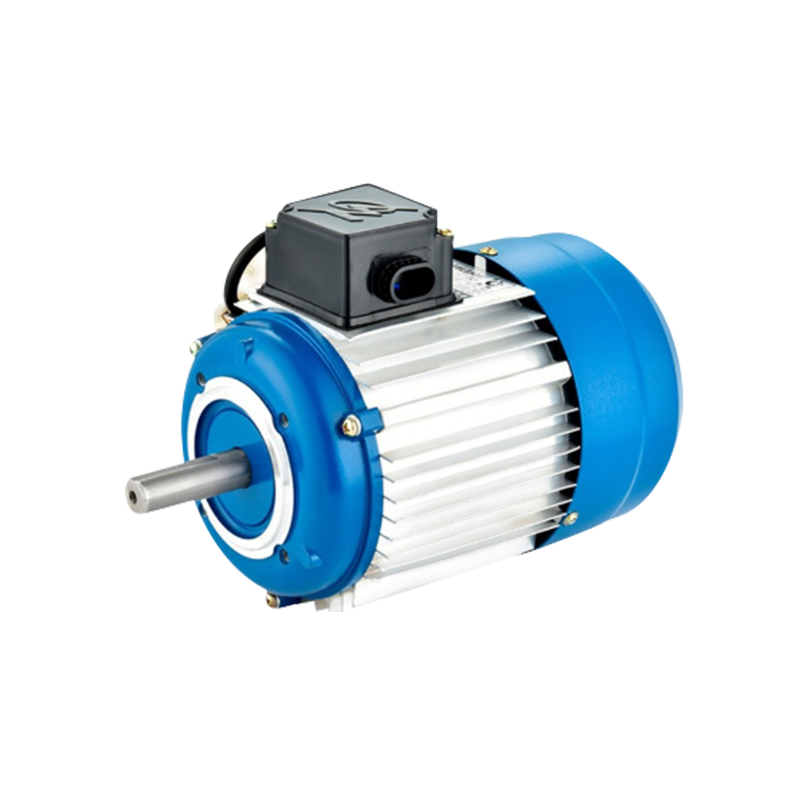
Standard motor dimensions may suit many machines, although industrial equipment does not always provide a standard installation space. A motor may need to fit into a compact enclosure, connect with unusual mounting arrangements, or operate under environmental conditions that require a different housing structure.
A Custom Electric Motor can be considered when application requirements cannot be handled conveniently by a standard configuration. Housing dimensions, mounting points, cable positions, cooling arrangements, and external protection may all influence the design.
Custom work can also become relevant when an existing machine is redesigned. Available space may change, access routes may become narrower, or additional protection may be needed around the motor.
A practical evaluation can focus on several questions:
- Is available installation space restricted?
- Does the mounting arrangement differ from common layouts?
- Are cable entry positions unusual?
- Does the operating environment require additional surface protection?
- Is cooling affected by the surrounding machine?
- Will the motor be exposed to repeated vibration or contamination?
Customization does not simply mean changing the outside shape. Internal and external requirements need to remain compatible, since a change in housing dimensions can influence heat transfer, installation, protection, and maintenance access.
Communication between the equipment designer and manufacturer also matters. Accurate information about working conditions can help prevent a housing from being designed around incomplete assumptions.
A customized motor should therefore be treated as an application‑based engineering choice rather than a cosmetic modification.
What Should Be Checked Before Choosing An Aluminum Housing Motor
Environmental conditions should be identified before equipment selection. A motor used in a clean indoor machine room may have different housing requirements from one operating near water, dust, outdoor exposure, or corrosive materials.
Temperature is another consideration. Ambient heat can affect the ability of a motor to release internally generated heat, while restricted airflow may create additional thermal stress.
Moisture needs attention as well. Condensation can occur when equipment experiences changing temperatures, particularly when a motor moves between warmer and cooler conditions. Housing protection, installation position, and drainage arrangements can influence how moisture affects the equipment.
A practical selection review can include:
| Factor | Key Question |
|---|---|
| Temperature | How hot is the surrounding environment? |
| Moisture | Can rain, condensation, or washing water reach the motor? |
| Dust | Are airborne particles present during operation? |
| Chemicals | Could cleaning agents or corrosive substances contact the housing? |
| Vibration | Is the motor connected to machinery with repeated movement? |
| Cooling | Does surrounding equipment restrict airflow? |
| Installation | Is mounting space sufficient for safe access? |
| Maintenance | Can inspection and cleaning be carried out easily? |
Surface treatment should correspond with environmental exposure rather than being chosen independently. Mounting design needs similar attention because vibration and mechanical stress can affect long‑term service conditions.
Existing equipment can also provide useful information. Inspection of motors already operating in the same environment may reveal dust buildup, corrosion, surface wear, excessive heating, or maintenance difficulties.
How Can Manufacturers Match Housing Design To Working Conditions
Motor housing production involves several connected decisions. Material selection provides a starting point, while housing geometry, surface treatment, mounting structure, cooling design, and environmental protection determine how the finished enclosure behaves in service.
A manufacturer working with application information can consider whether a standard aluminum housing is appropriate or whether changes are needed. Such decisions may involve dimensions, mounting feet, connection positions, surface treatment, cooling features, or protective structures.
For a Custom Electric Motor, application information becomes particularly useful because unusual installation conditions can influence several housing features at once.
A clear technical discussion normally covers:
- Motor installation position
- Surrounding temperature
- Moisture exposure
- Dust and contamination
- Mechanical vibration
- Cooling conditions
- Mounting requirements
- Surface protection
- Maintenance access
Production inspection also contributes to consistency. Housing dimensions, mounting areas, surface condition, and connection openings need to correspond with the intended design. Small differences can create installation difficulties when a motor must fit into a restricted machine space.
Packaging and handling deserve attention after production. Aluminum surfaces can be scratched or marked during transportation, and damaged protective layers may require inspection before installation.
Manufacturing decisions should therefore remain connected to actual use. A housing is part of the motor's working environment rather than an isolated outer shell.
How Does Housing Material Affect Long Term Equipment Planning
Motor selection is often connected with maintenance schedules, installation arrangements, replacement access, and surrounding machinery. Housing material can influence several of these practical considerations.
A relatively light aluminum structure may make handling easier during replacement work. Accessible mounting points can simplify removal, while suitable surface protection can reduce concerns related to ordinary environmental exposure.
Maintenance planning should still account for the actual surroundings. Motors operating in dusty or humid locations may need more frequent inspection than equipment installed in controlled indoor areas. Cleaning, surface checks, cable inspection, and mounting checks can form part of routine service work.
Replacement planning also benefits from clear records. Housing dimensions, mounting arrangements, connection positions, and surface treatment information can help avoid compatibility problems when equipment needs to be changed.
Long‑term planning can therefore consider:
Operating Environment → Housing Design → Installation → Inspection → Maintenance → Replacement
Such a sequence keeps material choice connected to practical equipment management.
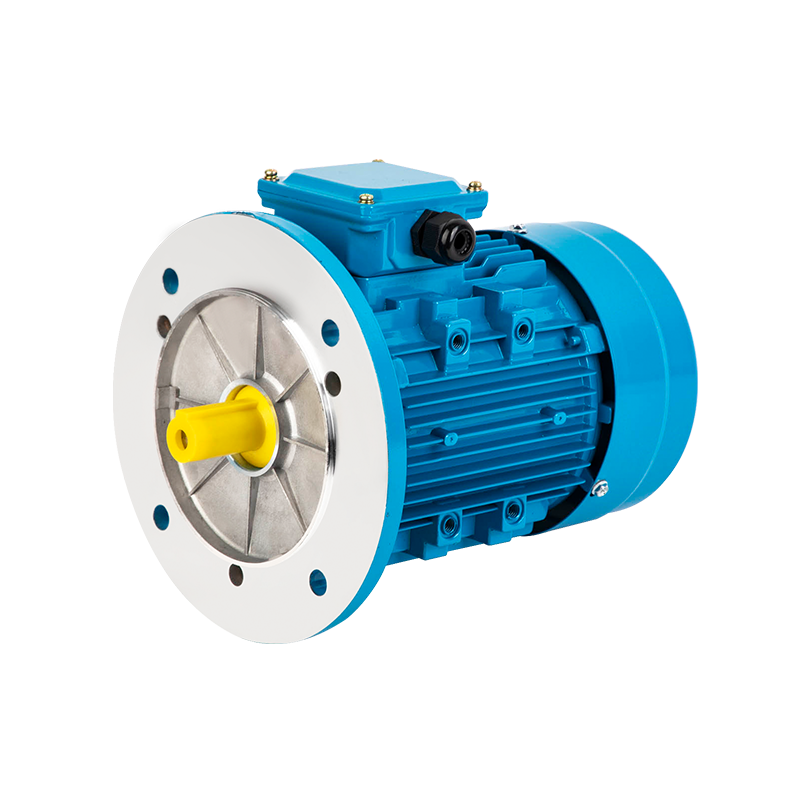
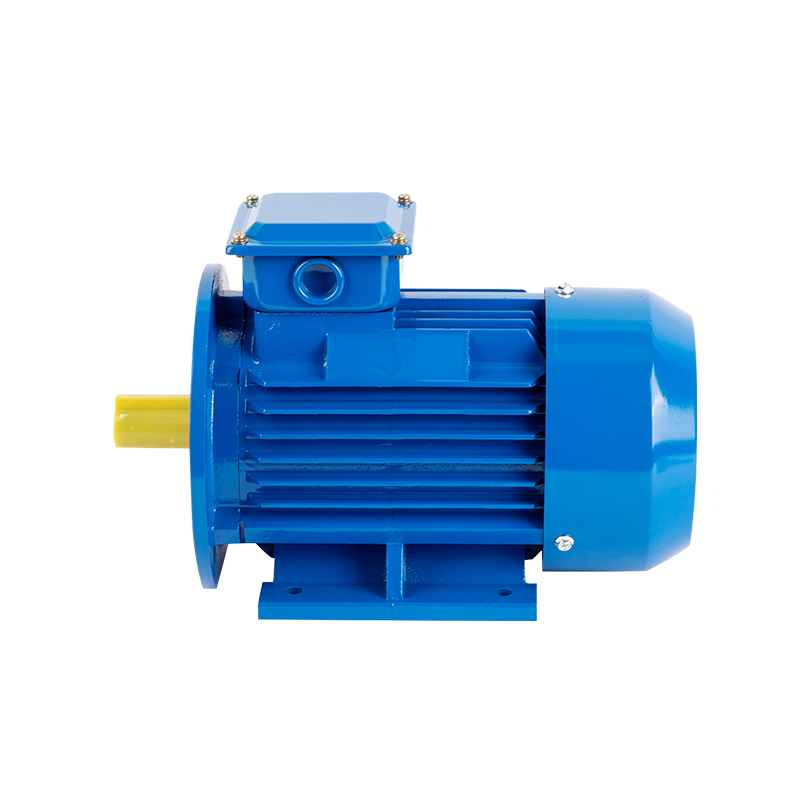
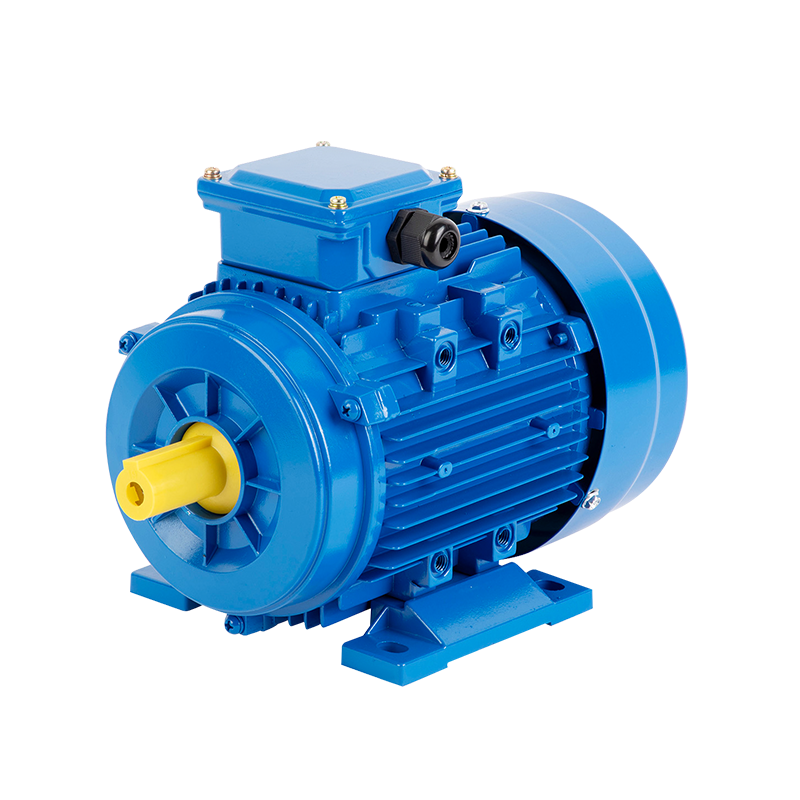
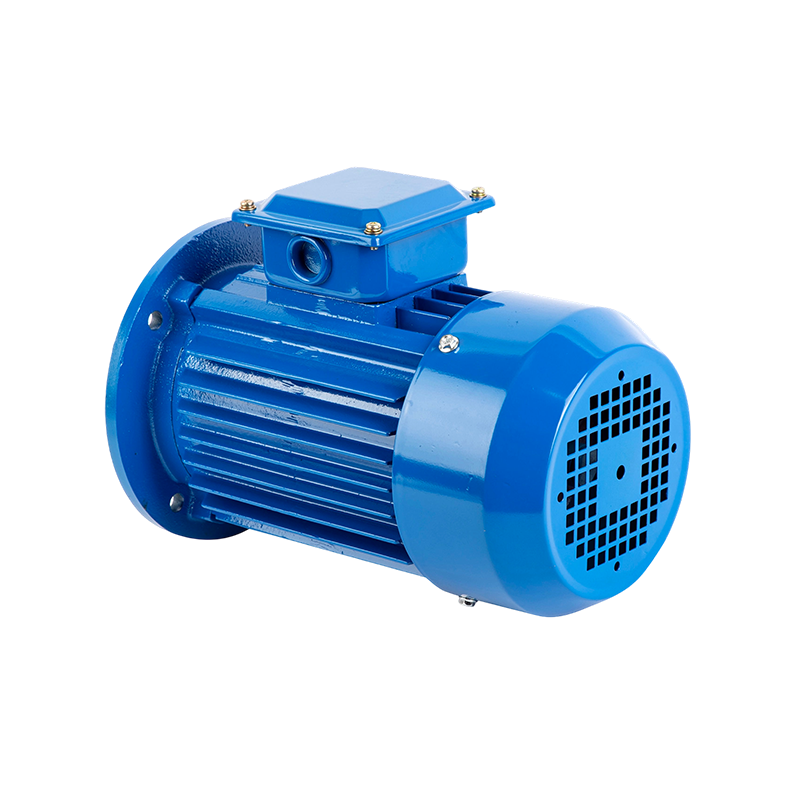
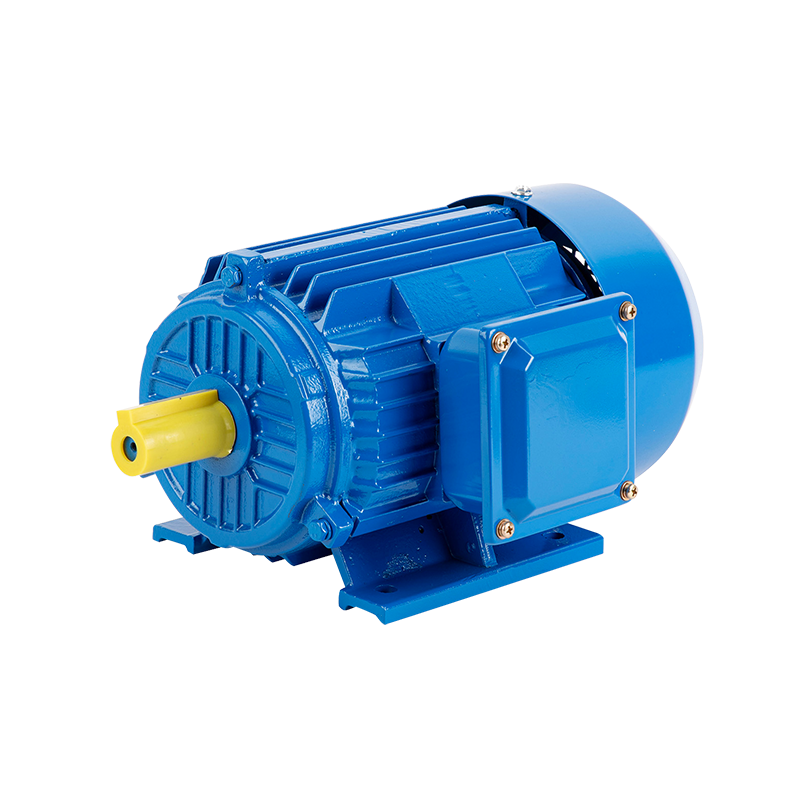
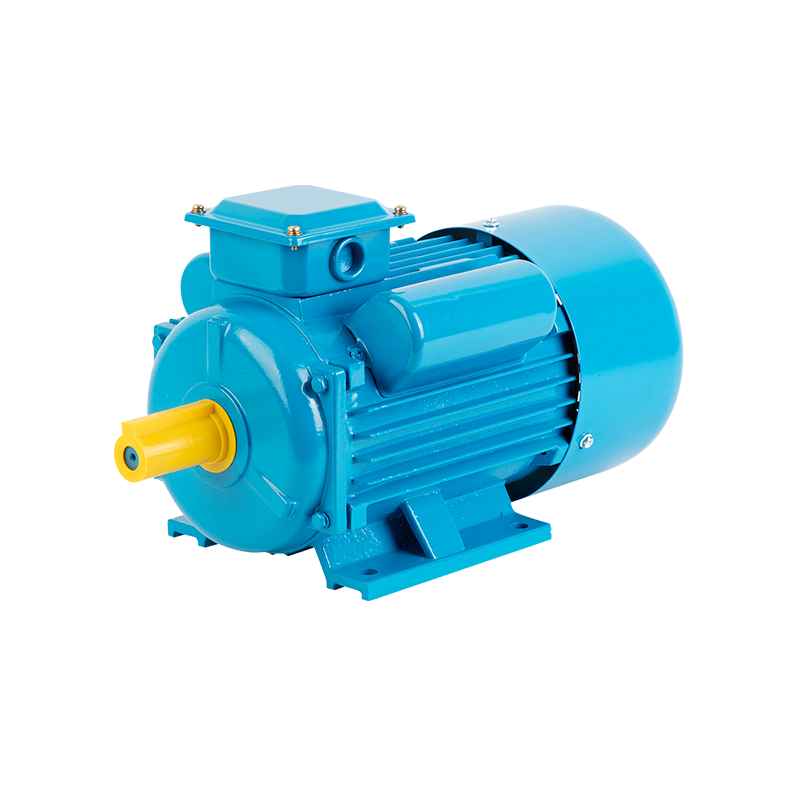
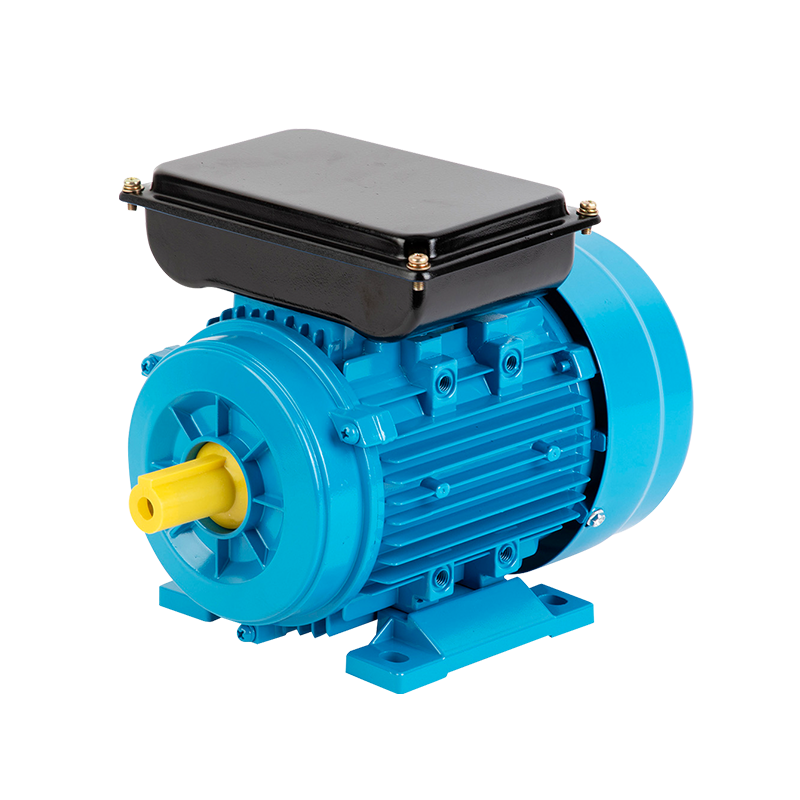
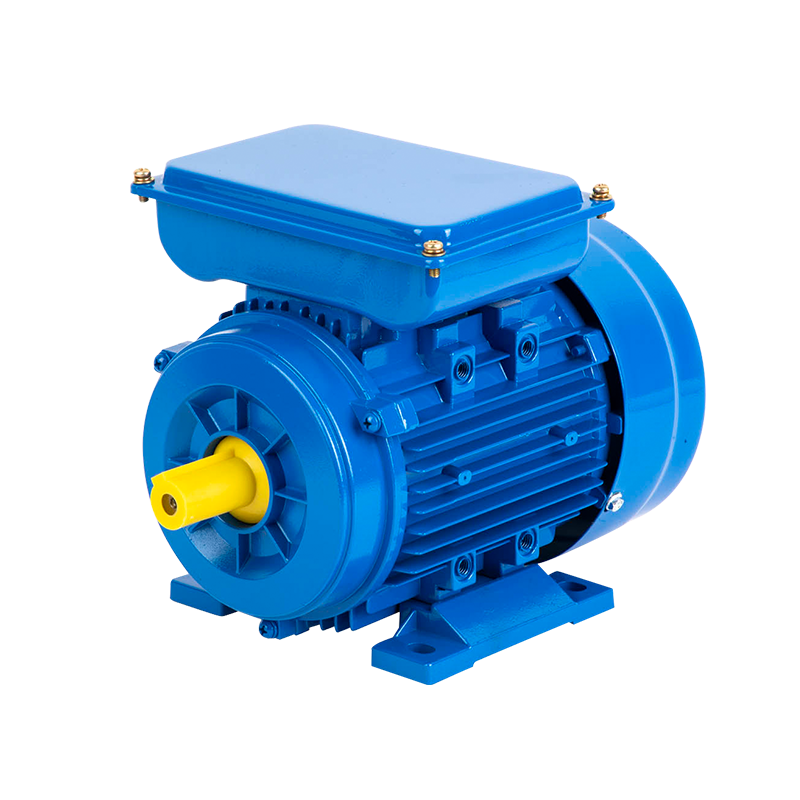
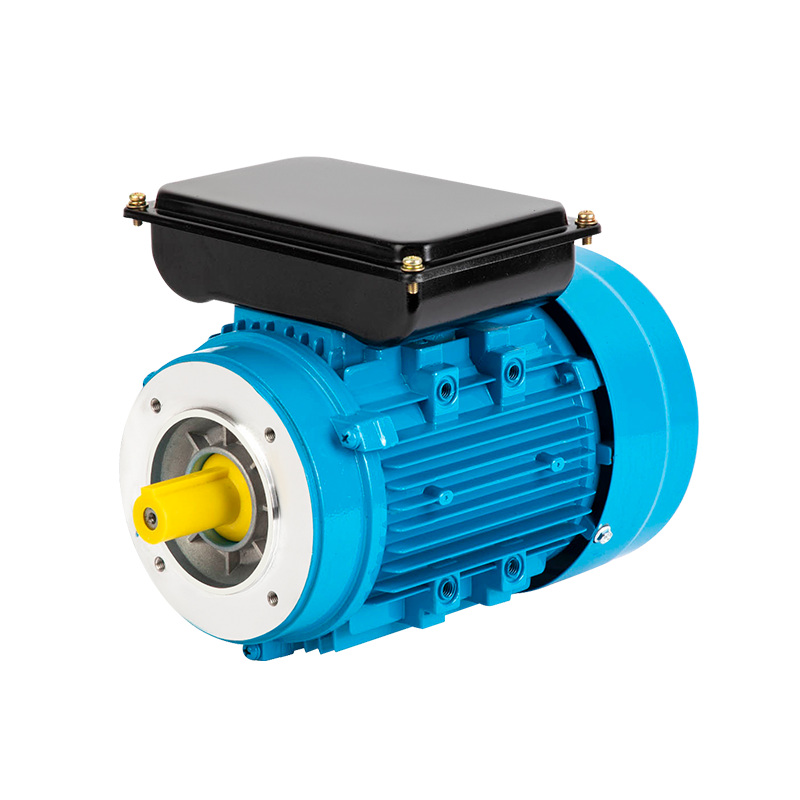
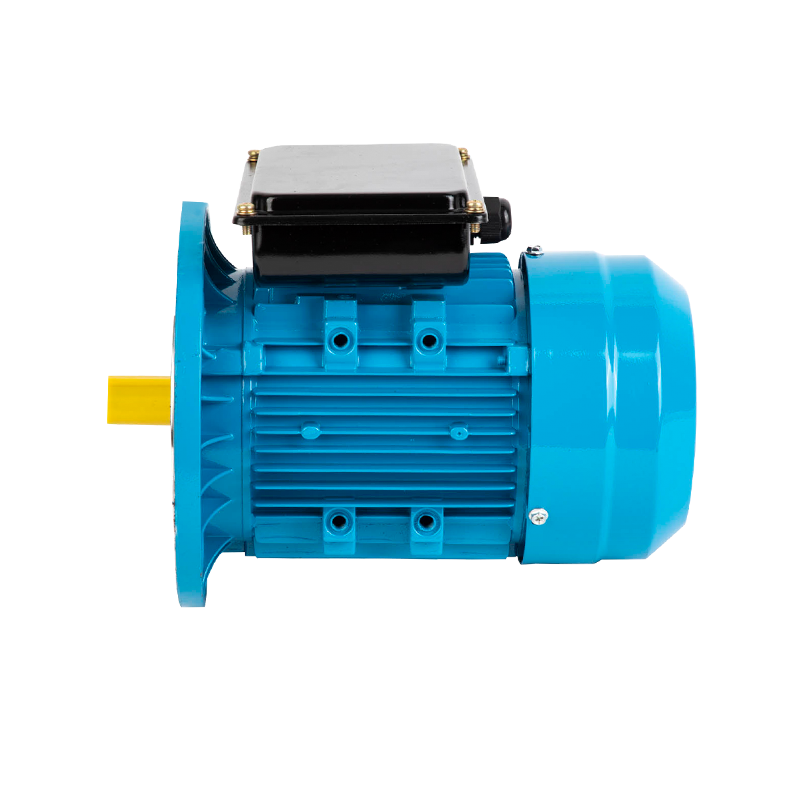
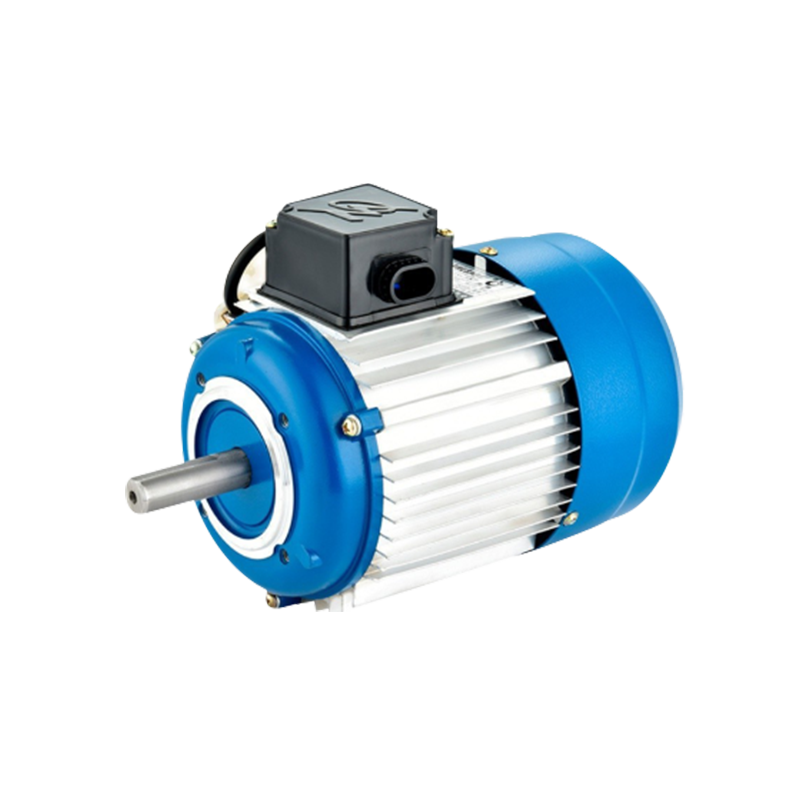
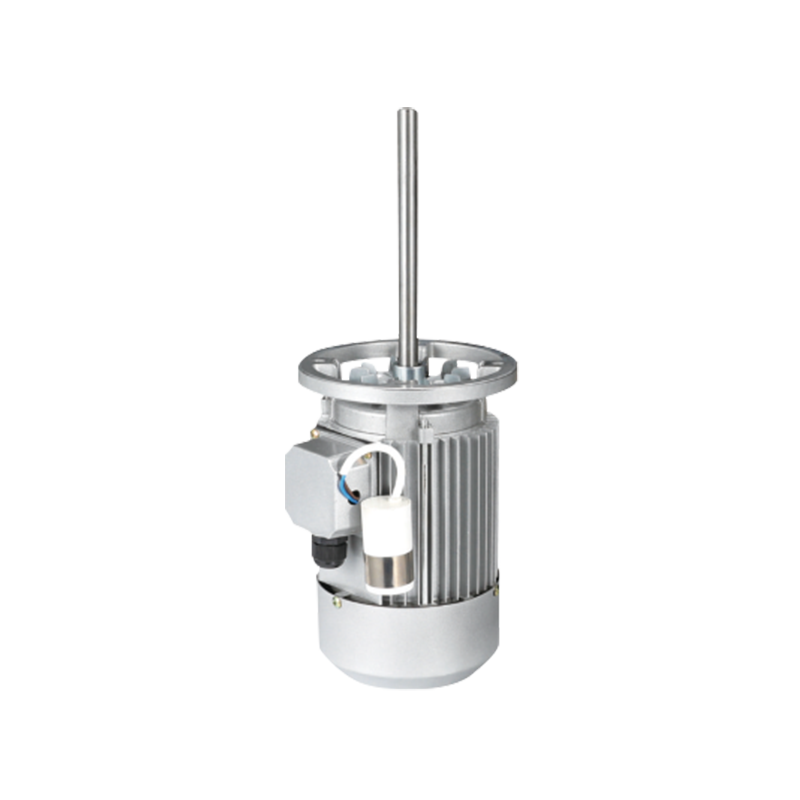
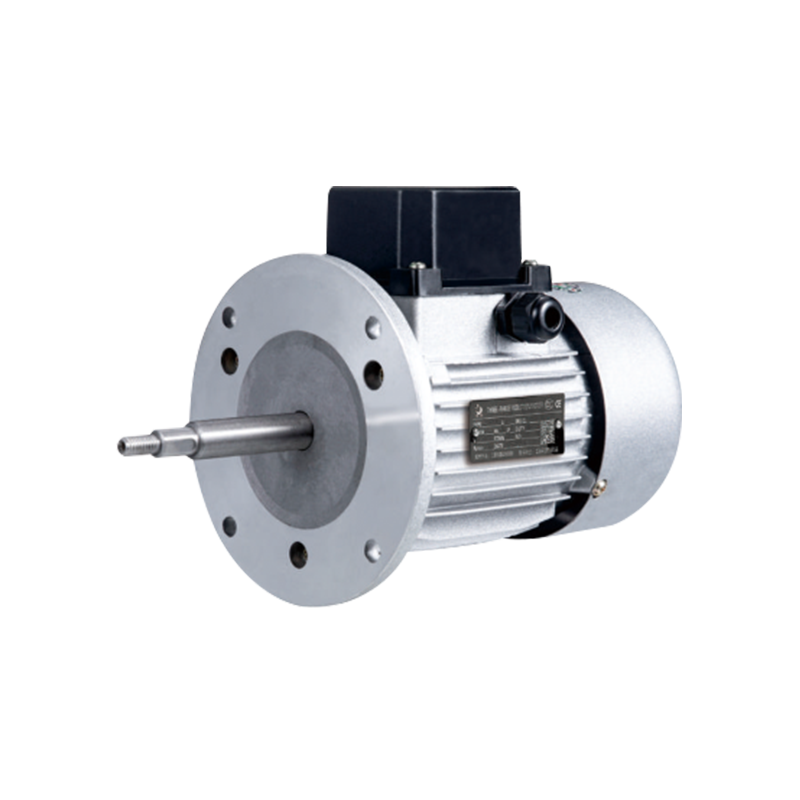
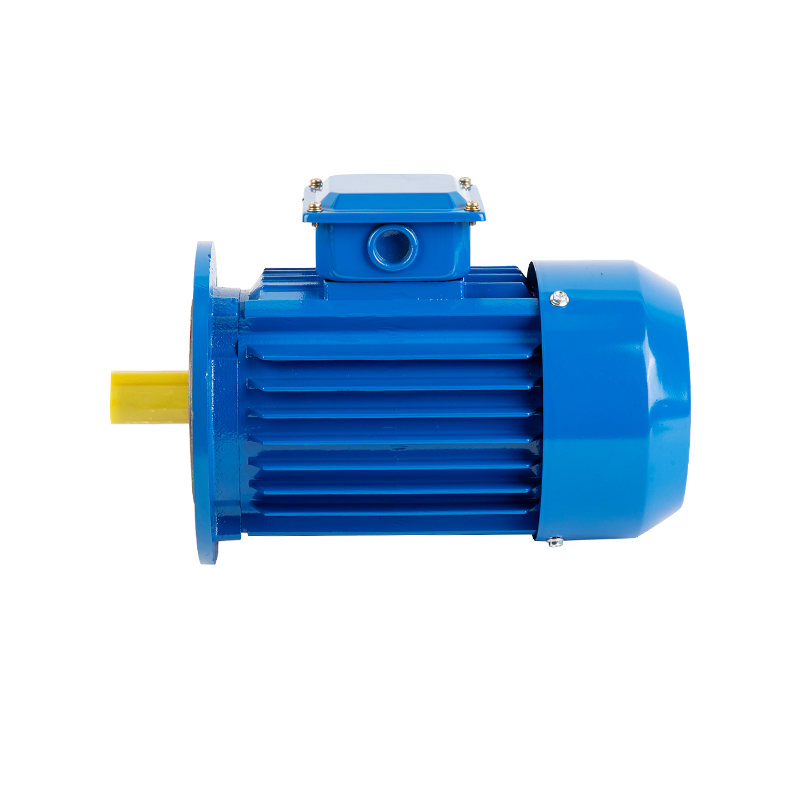
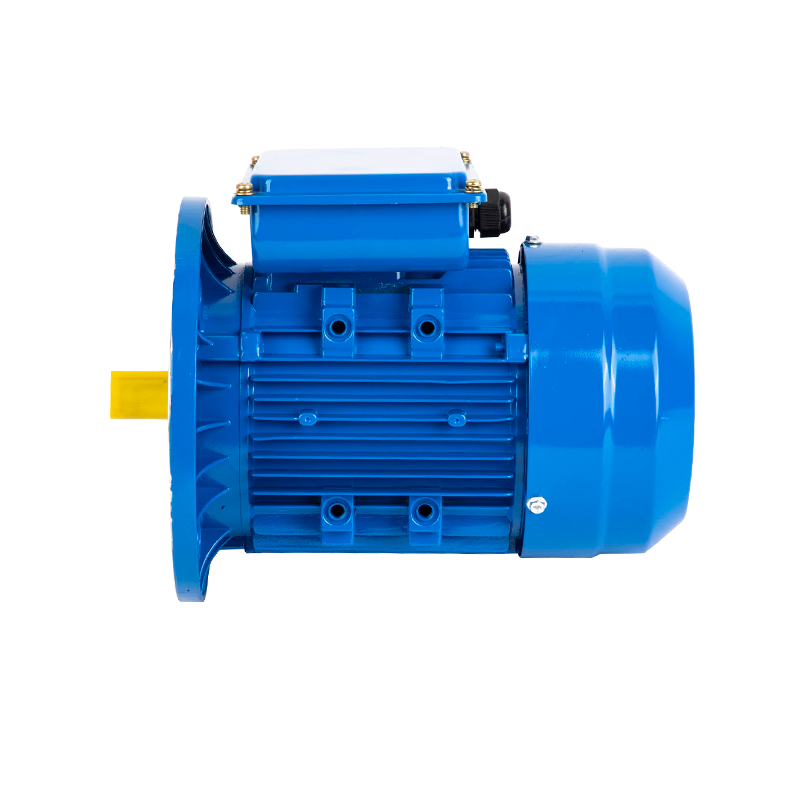
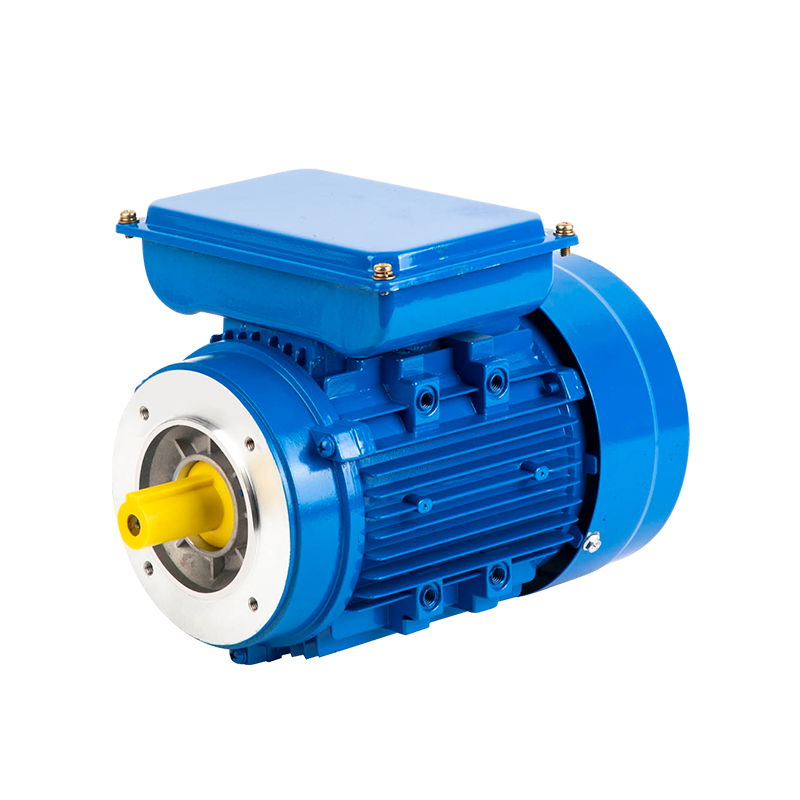
An Aluminum Housing Motor can suit many demanding industrial and outdoor applications because aluminum combines useful heat transfer, manageable weight, and resistance to ordinary atmospheric exposure. Actual suitability still depends on housing structure, surface protection, cooling conditions, moisture exposure, mechanical requirements, and installation design.
For applications with unusual space or environmental requirements, a Custom Electric Motor may provide a way to align housing construction with the equipment around it. Careful matching of material, structure, protection, and working conditions remains central to reliable motor application.


