 English
 Español



Building 1, Block 4, Wufeng Industrial Park, Daxi Town, Taizhou City, Zhejiang Province, China
An industrial machine may contain gears, pumps, fans, conveyors, cutting parts, or other moving components. Each part places a different demand on the motor that drives it. A motor that works in one machine may not suit another simply because both pieces of equipment need electrical power.
The selection process starts with the way the equipment actually operates. Some machines run for long periods with relatively steady movement. Others start, stop, change speed, or deal with changing loads during normal work. The motor needs to respond to those conditions without creating unnecessary strain on the surrounding structure.
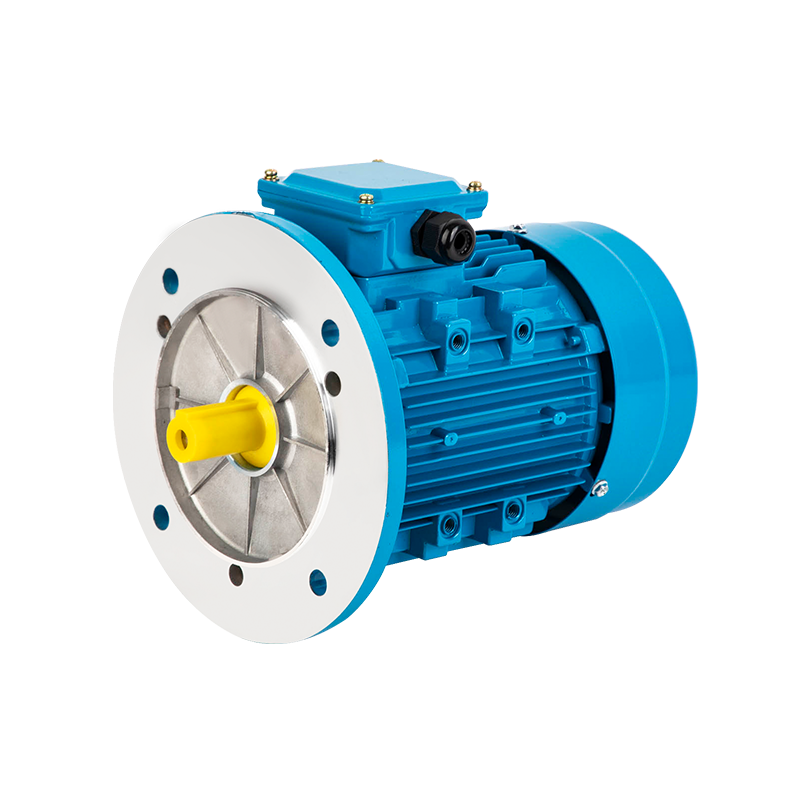
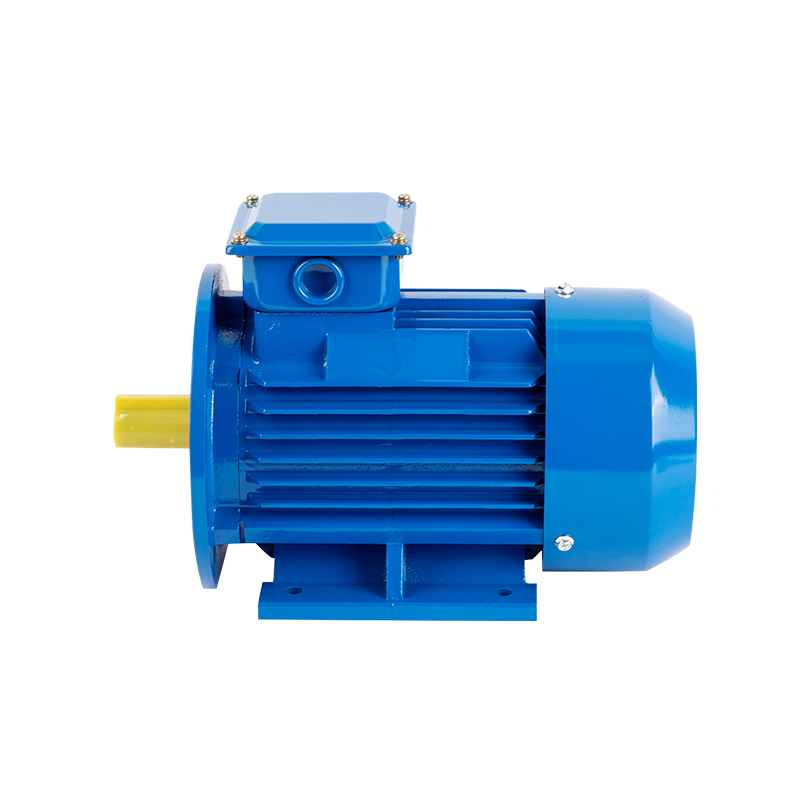
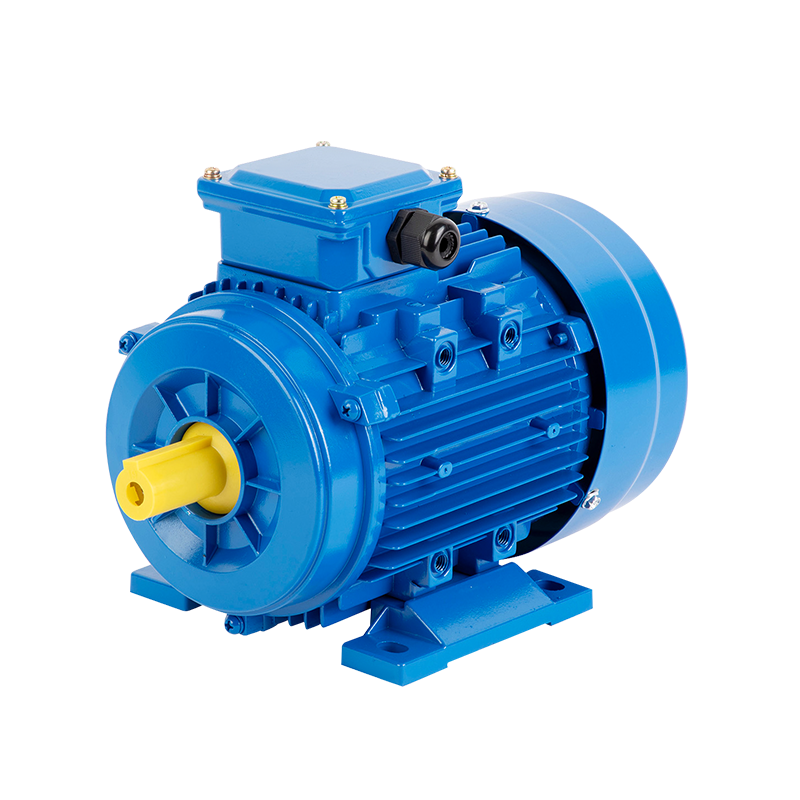
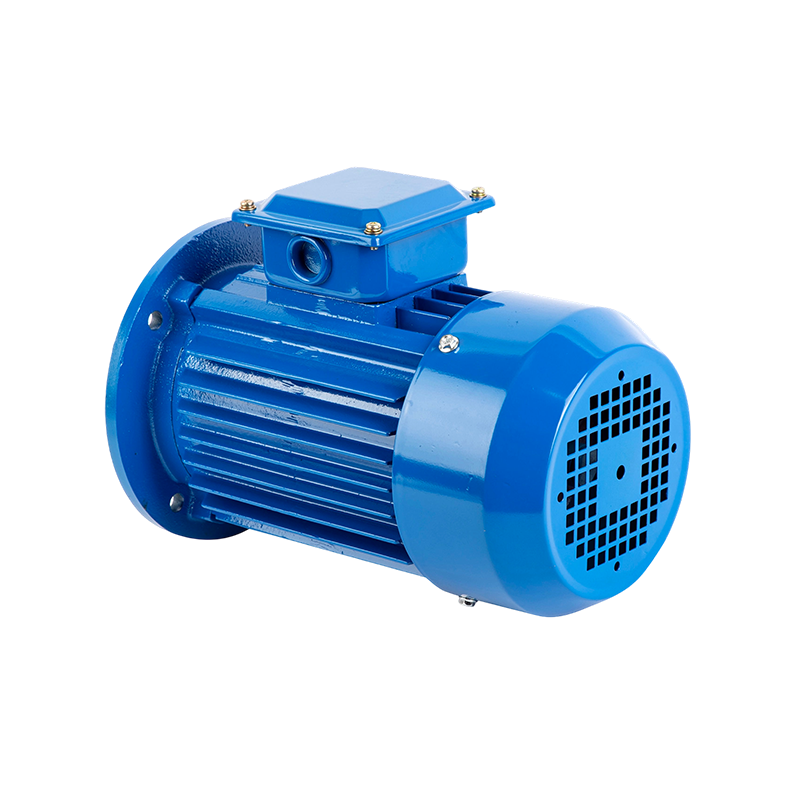
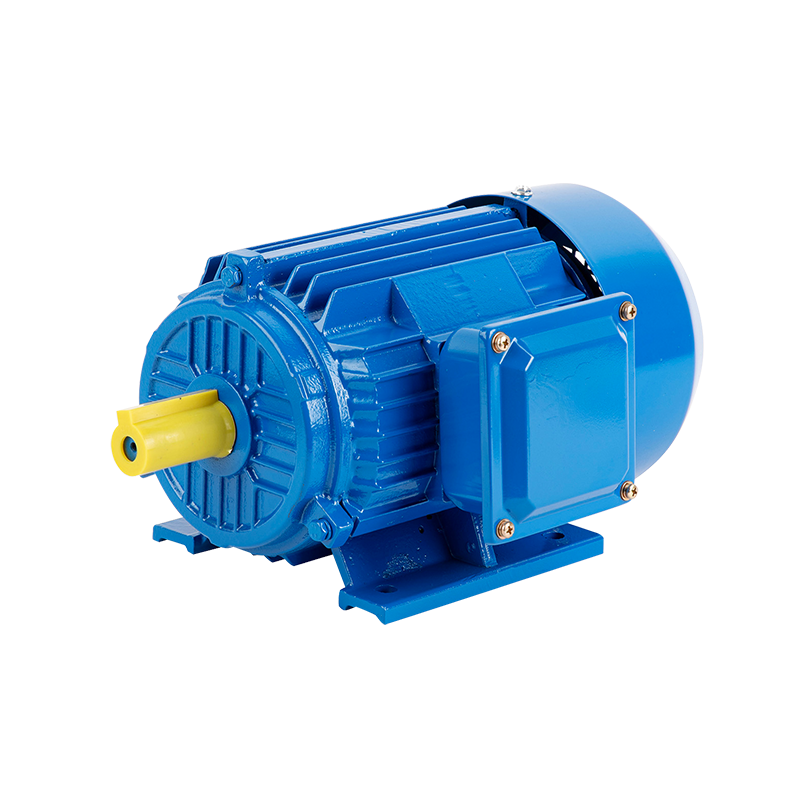
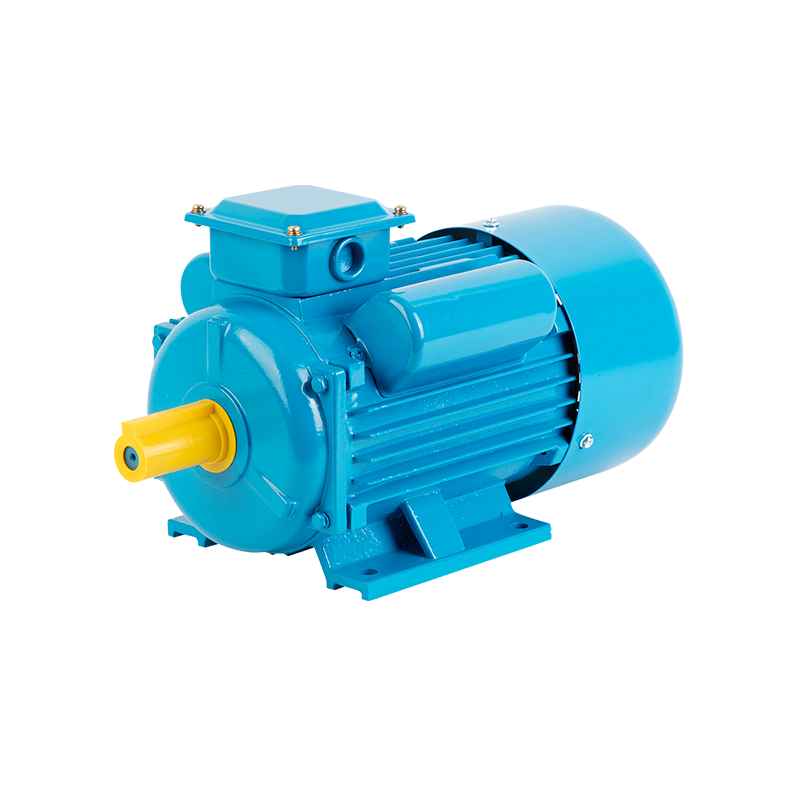
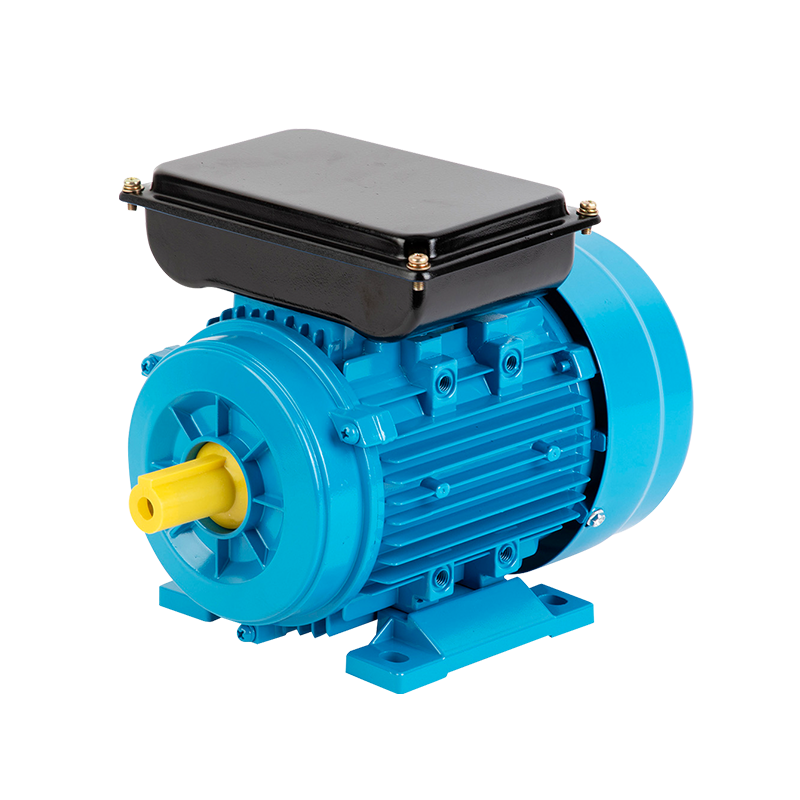
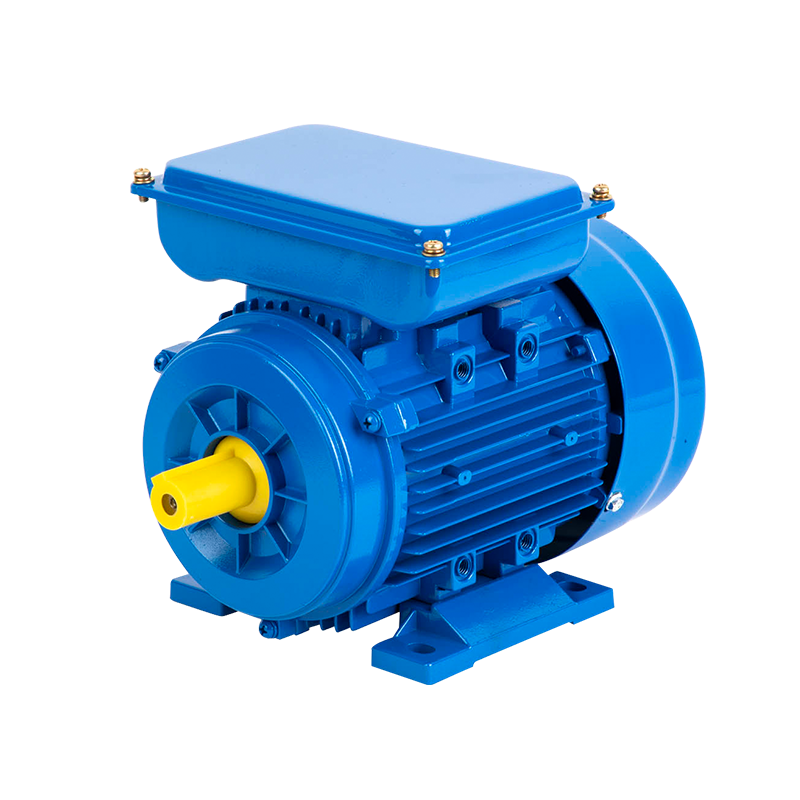
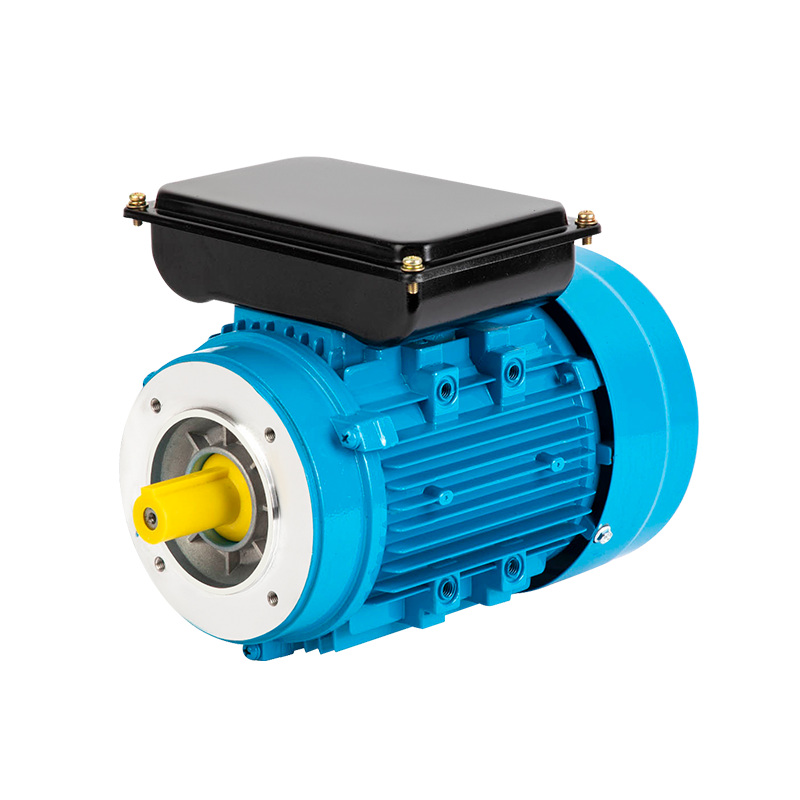
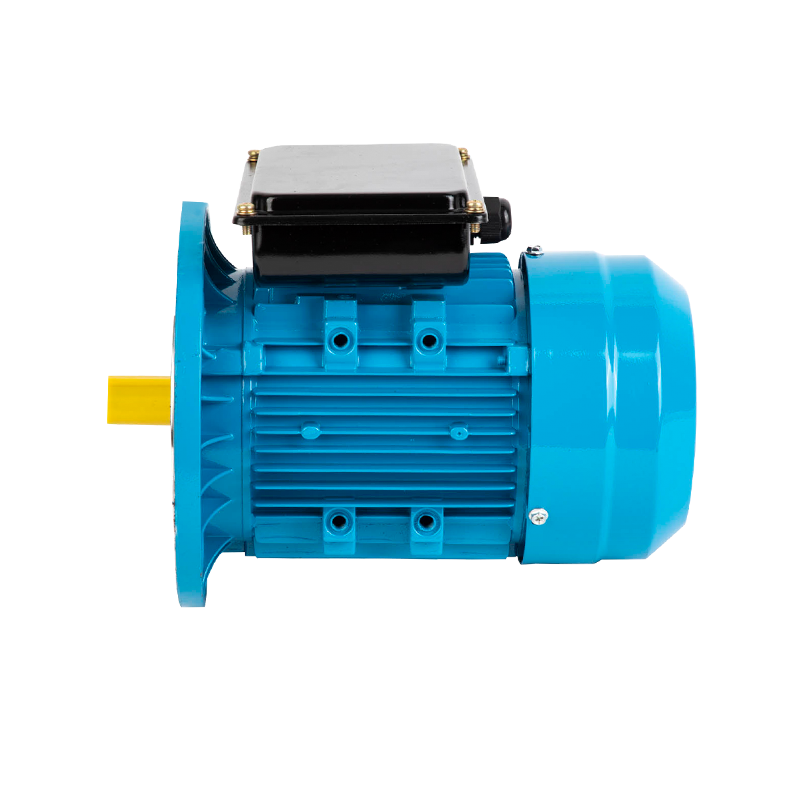
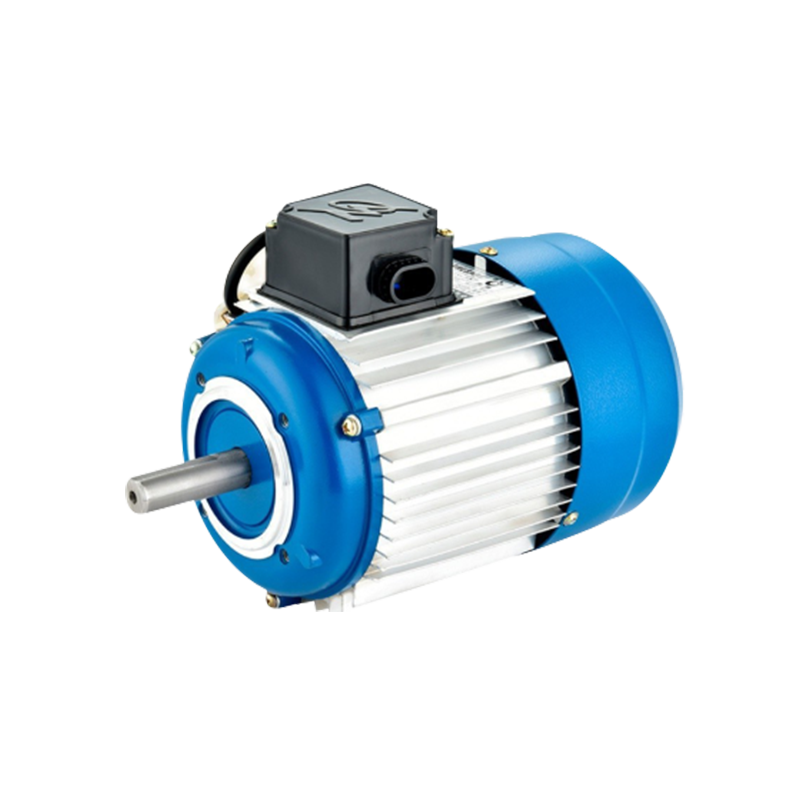
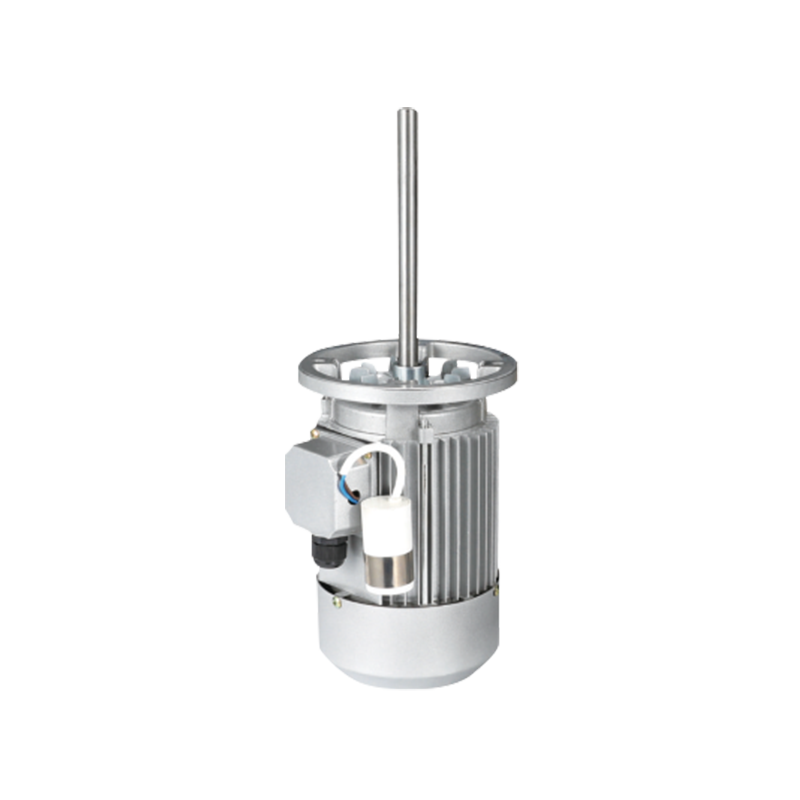
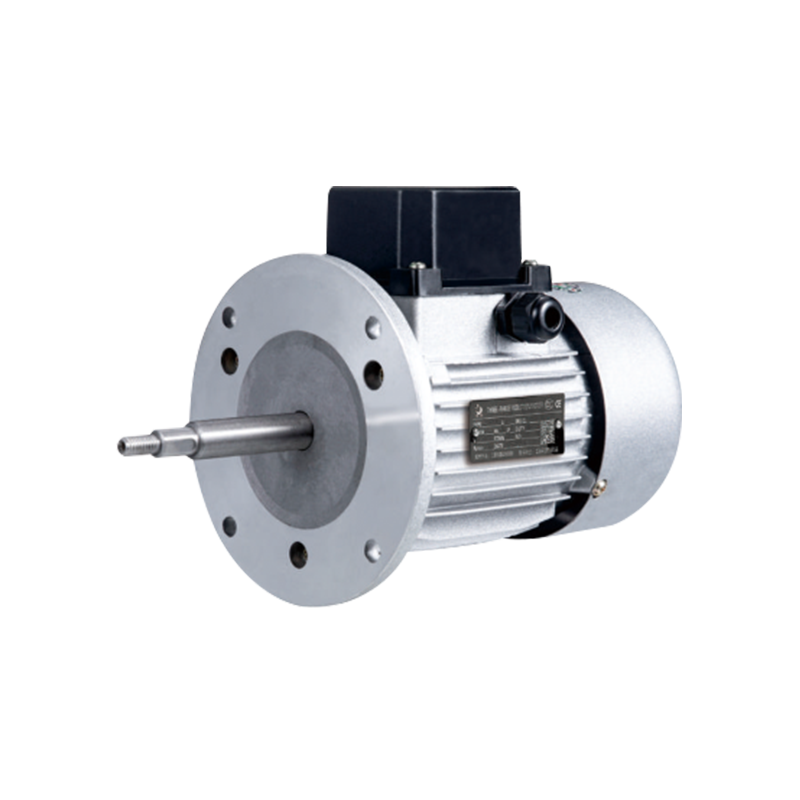
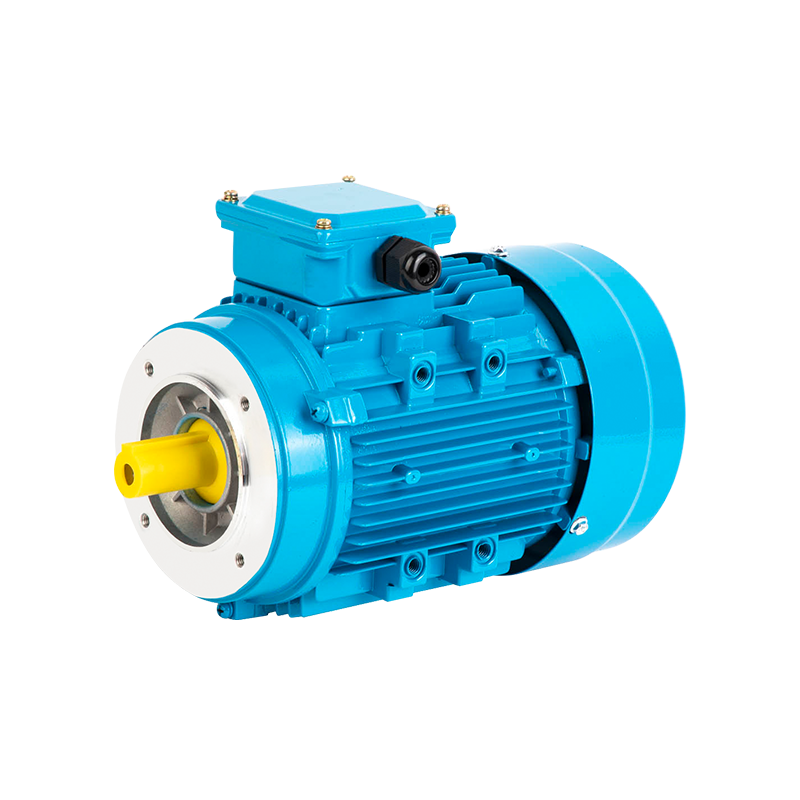
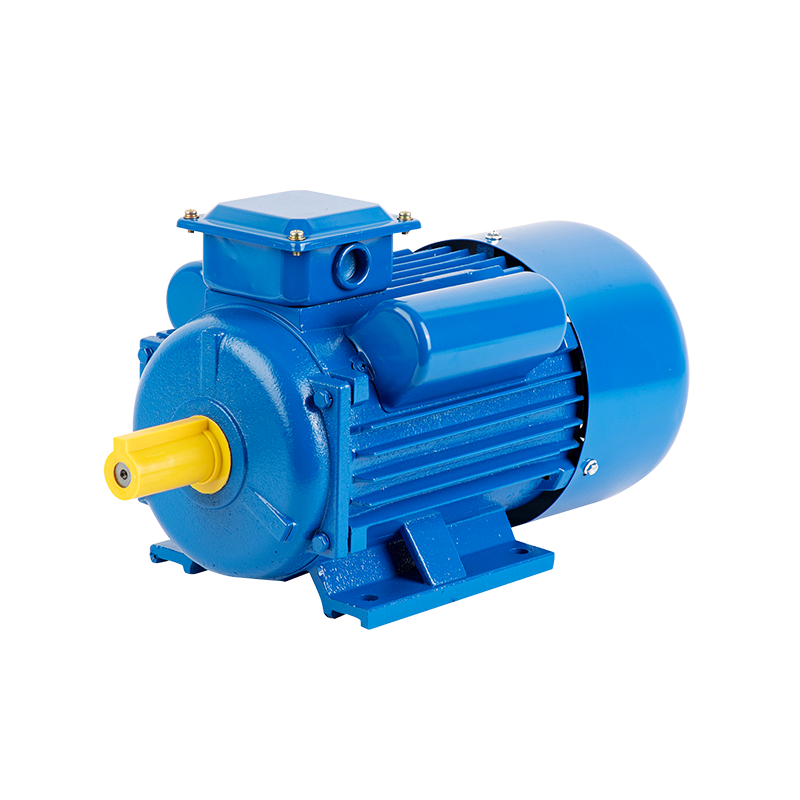
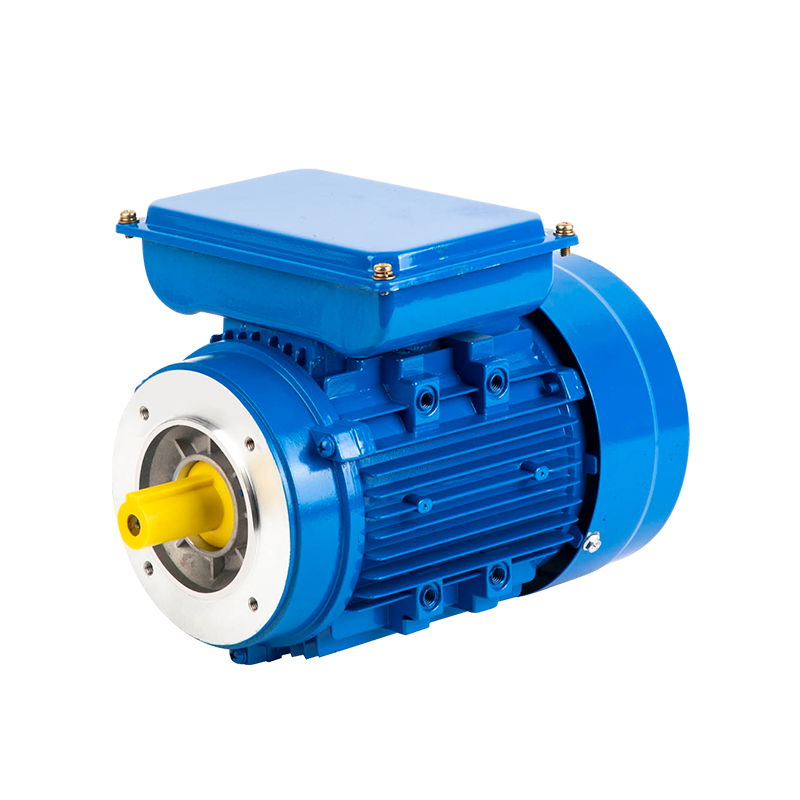
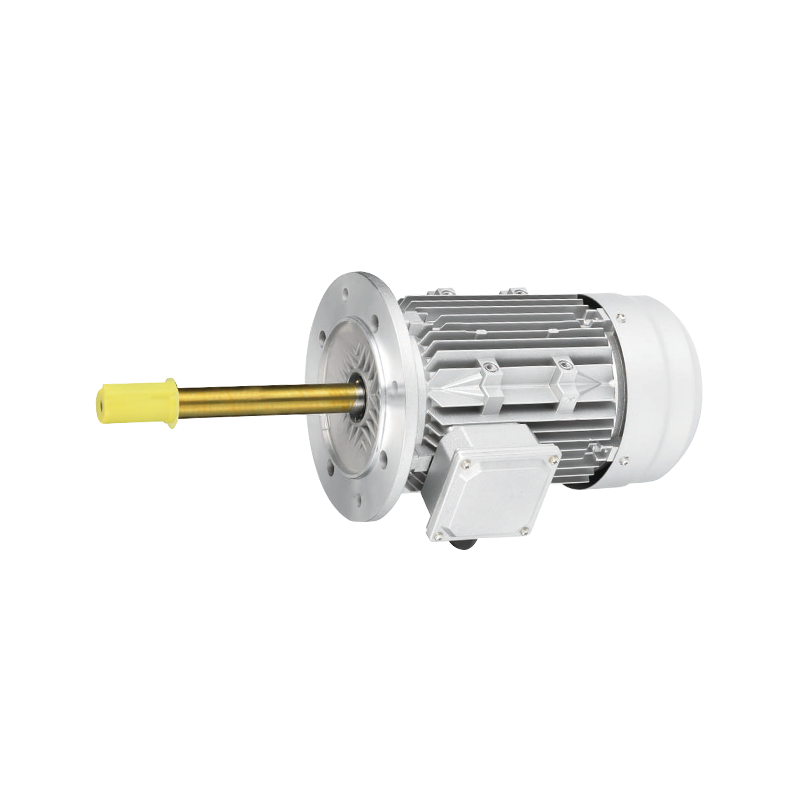
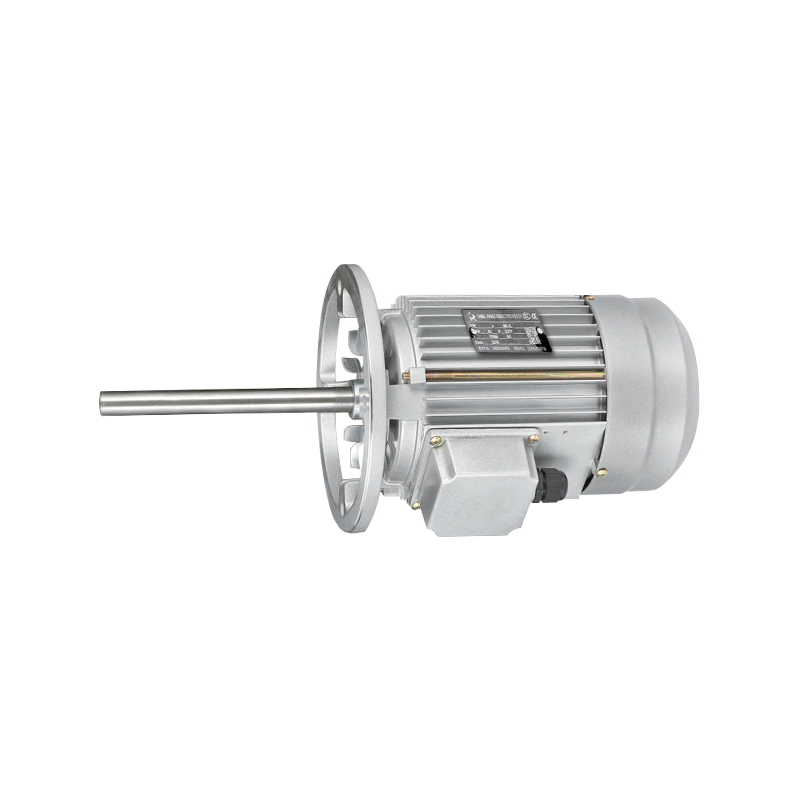
An Aluminum Frame Motor is often considered when equipment design places attention on housing size, weight, installation space, and heat management. The aluminum frame forms part of the motor's outer structure and can affect how the unit is positioned within the machine.
Physical compatibility matters just as much as electrical requirements. A motor may have suitable operating characteristics while still creating installation problems because of its dimensions or connection arrangement. Space around the motor also needs attention. A crowded installation can make inspection and maintenance more difficult.
Several basic questions can help establish the actual requirement:
- What type of equipment will the motor drive?
- Does the machine run continuously or intermittently?
- Does the load remain relatively steady during operation?
- How much space is available around the motor?
- How will the motor connect to the driven component?
- Will regular inspection or replacement be required?
Answering these questions before comparing products creates a clearer starting point. It also reduces the chance of choosing a motor based on a single visible feature while overlooking the conditions that matter during daily operation.
Motor selection is therefore closely connected with equipment design. Once the working conditions are clear, the next step is to look at the physical and operating requirements in greater detail.
What Should Be Checked Before Choosing an Aluminum Frame Motor
The available installation space is an important starting point. Industrial equipment often has a fixed layout, leaving only a limited area for the drive unit. The motor needs to fit within that space without interfering with nearby components.
Length, width, mounting position, shaft location, and connection arrangement all deserve attention. A small difference in one dimension can affect the way the motor connects with another component. The surrounding structure may also need enough clearance for inspection, cleaning, or replacement.
Operating conditions should be considered at the same time. A machine used for occasional movement has different needs from one that remains active for extended periods. Changes in load also matter. A motor that faces repeated changes during operation needs to be considered according to those changes rather than only its normal running condition.
| Equipment Requirement | Why It Matters | What to Check |
|---|---|---|
| Installation space | Determines whether the motor can fit into the machine | Overall dimensions and clearance |
| Mounting arrangement | Connects the motor with the equipment structure | Mounting holes and position |
| Operating pattern | Influences how the motor is used during a work cycle | Continuous or intermittent operation |
| Load condition | Affects the effort required from the motor | Steady or changing load |
| Surrounding environment | Can influence motor operation and service needs | Heat, moisture, dust, and airflow |
| Maintenance access | Allows inspection and replacement | Space around the motor |
The equipment layout should also account for what happens after installation. A motor may operate correctly when newly fitted, yet a lack of access can make later maintenance inconvenient. Leaving practical working space around the unit can simplify inspection and component replacement.
Another point concerns the relationship between motor size and the machine itself. An unnecessarily large unit can create packaging and weight concerns, while a unit that does not match the operating requirement may struggle under the actual load. Selection works better when physical and operational factors are considered together.
Once those conditions have been identified, attention can move to the frame itself. For equipment designers, the frame is not simply an outer cover. Its dimensions and construction can influence installation and the way the motor sits within the machine.
How Does the Aluminum Frame Affect Motor Installation
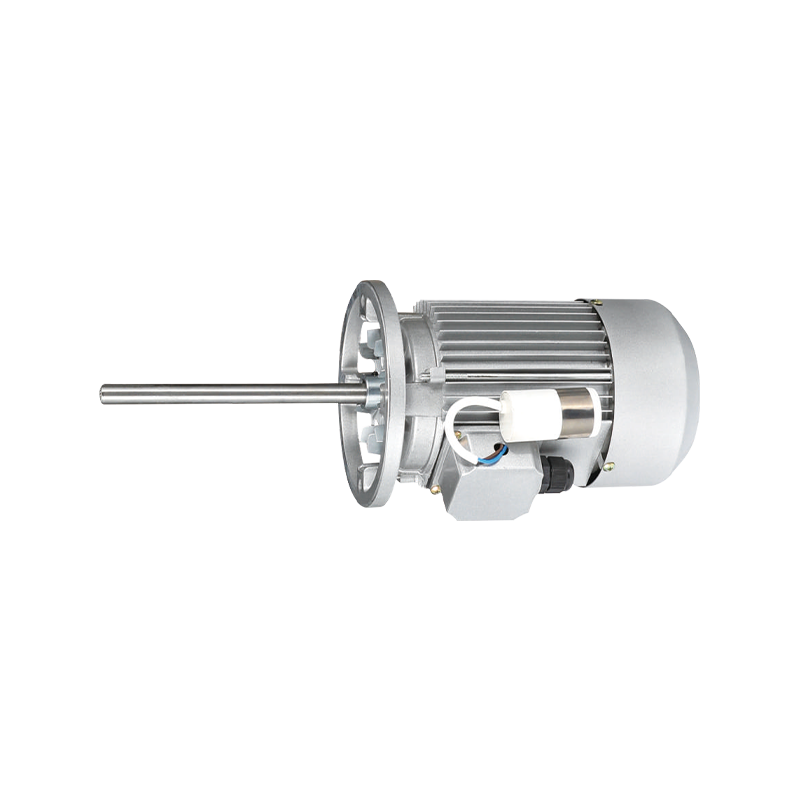
The frame forms the external structure around the motor and provides the connection between the motor and its installation environment. Aluminum is used in some motor constructions because it offers a relatively light structural material while also allowing practical shaping of the housing.
For an Aluminum Frame Motor, frame dimensions need to match the available mounting area. The location of mounting points, the position of the shaft, and the relationship between the housing and nearby parts all influence whether installation is straightforward.
Weight can also matter in compact industrial equipment. A motor is supported by the surrounding machine structure, so the frame and mounting arrangement need to work together. Equipment designers may need to consider whether the support structure can accommodate the motor without affecting alignment with the driven component.
Air movement around the housing is another consideration. Motor operation produces heat, and the surrounding installation can influence how that heat moves away from the housing. A confined compartment may provide less airflow than an open installation. Nearby panels, covers, or other components can also change the available space around the frame.
Installation planning should therefore consider more than the mounting holes. A practical check may include:
- Clearance around the housing
- Position of the motor shaft
- Access to mounting points
- Space for electrical connections
- Airflow around the motor
- Access for later inspection
The connection between the motor and driven equipment deserves particular attention. Misalignment can place additional mechanical stress on connected parts. Even when the motor itself is correctly selected, an unsuitable installation arrangement can affect the overall operation of the machine.
A clear dimensional drawing can be useful during equipment planning. Comparing the motor dimensions with the machine layout before installation can reveal possible interference between the housing, shaft, wiring, and nearby components.
With the physical arrangement established, the next issue is the work the motor actually needs to perform. Load conditions often change during a machine's operating cycle, making the relationship between motor characteristics and equipment movement an important part of selection.
Which Motor Features Should Match the Equipment Load
The motor's job is to provide the movement required by the equipment. That requirement can vary according to the driven component and the way the machine operates. A conveyor, pump, fan, or processing mechanism may place a different type of demand on the motor.
A steady load is relatively straightforward to describe because the motor performs a similar task throughout operation. Machines with frequent starts, stops, or changes in resistance require more attention to how the motor responds during those transitions.
Starting is one point worth considering. The effort needed to begin movement can differ from the effort required to maintain movement. A machine carrying material, for example, may place a different demand on the motor at startup than during normal travel.
Changes in load can also come from the production process itself. Material entering or leaving a machine may alter the resistance experienced by the driven component. Equipment with changing working conditions should therefore be assessed according to the full operating cycle.
A practical comparison can focus on three stages:
Starting
The motor needs to begin moving the connected equipment without creating unnecessary stress.
Normal operation
The motor needs to maintain the required movement under the expected working condition.
Stopping or changing movement
The motor and connected parts need to respond to changes without disrupting the machine's intended operation.
These stages are connected. Looking only at normal operation may leave out conditions that occur during startup or changes in the work cycle.
The intended operating pattern also affects how equipment should be matched. Frequent cycling may place different demands on the motor than long periods of steady operation. Environmental conditions, installation space, and maintenance access then add another layer to the decision.
A suitable selection process brings these elements together instead of treating motor characteristics as an isolated choice. Once the load requirement is clear, the remaining questions become easier to organize around the machine's actual working environment and installation arrangement.
How Do Operating Conditions Affect Motor Choice
An industrial motor rarely works in an isolated space. Dust may settle around the housing, moisture can be present in certain working areas, and nearby equipment may produce additional heat. Ventilation can also vary greatly from one installation to another. Each condition changes the environment in which the motor operates.
Temperature deserves attention because heat needs a suitable path away from the motor housing. A machine enclosed inside a narrow cabinet may have less air movement than equipment installed in a more open area. Nearby covers and structural panels can further restrict circulation.
Moisture presents another concern. A motor installed near washing areas or equipment that handles liquid may face different conditions from one operating in a dry indoor space. The surrounding environment should therefore be considered before the housing and protection arrangement are confirmed.
Dust can also affect maintenance. Fine particles may collect around accessible surfaces and ventilation areas, especially in workshops where cutting, grinding, processing, or material handling takes place. Regular cleaning requirements should be considered as part of the installation plan.
For an Aluminum Frame Motor, the surrounding space has a direct connection with practical operation. The frame needs to fit the machine while leaving enough room for air movement, inspection, and electrical connections. A compact housing can be useful in a restricted layout, though available clearance still needs to be checked.
A simple environmental review can cover:
- Heat produced by nearby equipment
- Air movement around the motor
- Moisture or liquid exposure
- Dust and particles in the working area
- Available cleaning and inspection space
- Position of covers and surrounding panels
The operating environment should also be viewed together with the expected workload. A motor running under changing conditions may react differently to its surroundings than one used for occasional movement. Combining environmental information with load requirements gives a clearer picture of the actual working situation.
Once the surrounding conditions are known, physical size becomes easier to evaluate. A motor may have suitable operating characteristics yet still create difficulties when placed inside a compact machine.
What Role Does Motor Size Play in Equipment Design
Space inside industrial equipment is rarely unlimited. Motors compete for room with control components, shafts, belts, gears, pumps, fans, wiring, and structural supports. A suitable installation therefore depends on how the motor fits within the complete machine rather than on the motor housing alone.
Length is one consideration, especially where the shaft needs to connect with another moving component. Width and height can matter when the motor is placed close to a panel or protective cover. Mounting points also need to align with the supporting structure.
Weight has a practical effect as well. The supporting section of the machine needs to hold the motor securely while keeping the connected parts properly positioned. When a motor is installed on a moving platform or compact frame, the available support structure may require closer attention.
The motor's physical dimensions should be checked alongside the installation sequence. Some machines allow a motor to be fitted from an open side before other components are installed. Others may leave only a narrow access path once assembly is complete. A design that works during initial assembly can become inconvenient during later replacement.
For this reason, several dimensions are worth confirming together:
- Housing size
- Shaft position and length
- Mounting hole arrangement
- Electrical connection location
- Clearance from nearby components
- Space required for removal
An Aluminum Frame Motor may form part of a compact equipment layout, though compact installation should not mean that service access is overlooked. A little additional working room around connection points can make inspection easier and reduce disruption during maintenance.
The same consideration applies to replacement. Industrial equipment often remains in service for extended periods, while individual components may need attention at different times. A motor installation that allows reasonable access can simplify future work.
With physical dimensions established, communication with the manufacturer becomes the next practical step. Accurate equipment information gives the manufacturer a clearer basis for discussing whether a particular motor configuration fits the application.
How Can an Electric Motor Factory Support Equipment Matching
Communication with an Electric Motor Factory is more useful when the equipment requirement is described in practical terms. A product name alone does not provide enough information about how the motor will be used.
The manufacturer may need details about the machine, operating pattern, installation area, surrounding conditions, and connection arrangement. The more clearly these conditions are presented, the easier it becomes to discuss suitable dimensions and motor characteristics.
Equipment drawings can also help. A drawing showing the mounting position, available space, shaft direction, and nearby components provides useful context that may not be obvious from written descriptions.
Information about the working load should be included as well. Rather than describing the application only as heavy or light, a clearer description can cover when the load changes, whether the machine starts frequently, and whether movement remains steady during operation.
An Electric Motor Factory may also need to confirm questions related to:
- Housing dimensions
- Mounting arrangement
- Shaft configuration
- Electrical connection position
- Operating environment
- Expected maintenance conditions
- Compatibility with the driven equipment
Samples and technical drawings can become useful during this stage, particularly when the motor needs to fit into an existing machine. Checking dimensions before production or installation can prevent avoidable changes to the surrounding structure.
Communication works in both directions. Equipment designers provide information about the application, while the manufacturer can clarify available configurations and construction details. Clear questions help keep the discussion focused on actual operating requirements rather than general product descriptions.
For projects involving several machines, consistent documentation can also reduce confusion. Each application may have a different load, mounting arrangement, or environmental condition, even when the motors appear similar from the outside.
The final selection should therefore come after the physical and operating requirements have been checked together. That leaves one practical stage: confirming the details before the motor becomes part of the equipment.
What Should Be Confirmed Before Final Motor Selection
A final check can bring the separate considerations back together. Dimensions need to match the machine layout, while the operating requirements need to match the way the equipment actually works. Environmental conditions and maintenance access should remain part of the same review.
An Aluminum Frame Motor should be checked according to its complete installation rather than a single specification. Housing size, mounting points, shaft arrangement, connection location, and surrounding clearance all affect practical compatibility.
Load conditions also deserve another review. Startup, normal movement, changes in resistance, and stopping should be considered as parts of one operating cycle. A machine that appears simple during steady operation may place different demands on the motor during transitions.
The installation environment should then be compared with the expected conditions. Questions around heat, moisture, dust, airflow, and available maintenance space can help identify areas that need further attention.
Before placing an order, the following checklist can be useful:
- Confirm the motor dimensions against the equipment drawing.
- Check mounting points and shaft alignment.
- Review the expected load during different stages of operation.
- Confirm the working environment around the motor.
- Check space for wiring, inspection, and replacement.
- Discuss application details with an Electric Motor Factory.
- Keep drawings and confirmed specifications together for installation.
A second check of the surrounding machine can also reveal issues that are easy to overlook. A protective cover may block access to a connection point. A nearby shaft may interfere with removal. Limited airflow may become noticeable only after the equipment layout is complete.
For that reason, motor selection works as part of equipment planning rather than as a separate purchasing task. The motor, supporting structure, driven component, electrical connection, and surrounding environment all need to fit into the same working arrangement.
When those relationships are considered before installation, the choice becomes easier to evaluate in practical terms. The focus stays on how the motor will function within the machine, how it will be installed, and how it can be maintained during normal industrial use.


