 English
 Español



Building 1, Block 4, Wufeng Industrial Park, Daxi Town, Taizhou City, Zhejiang Province, China
A motor bearing may look like a small part compared with the complete motor, yet its condition has a direct connection with smooth shaft movement and stable operation. Before installation, a bearing can already carry signs of poor storage, careless handling, surface damage, or contamination. Checking such conditions before assembly gives the installation process a clearer starting point.
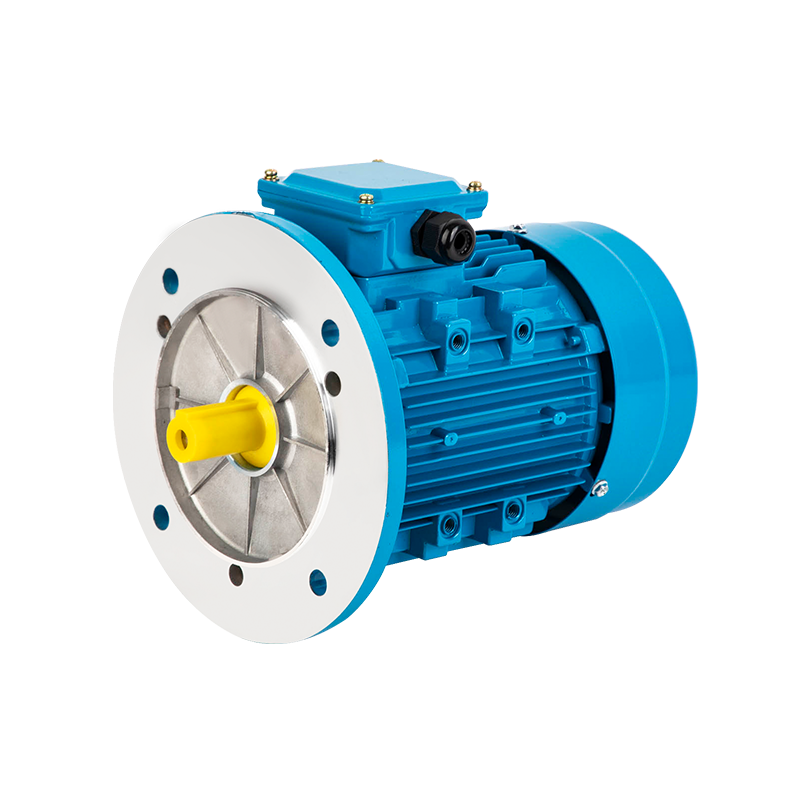
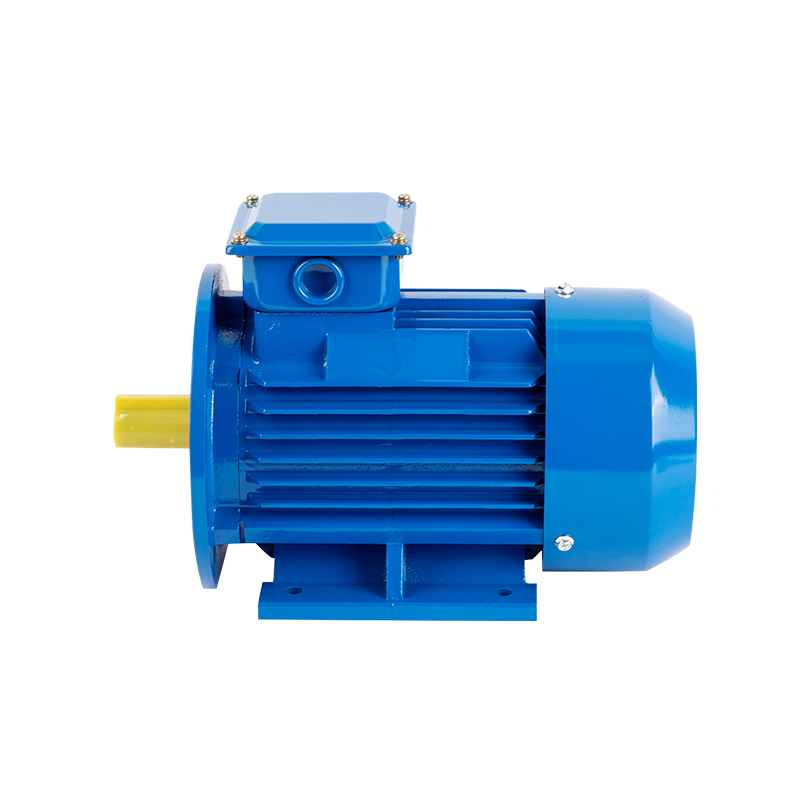
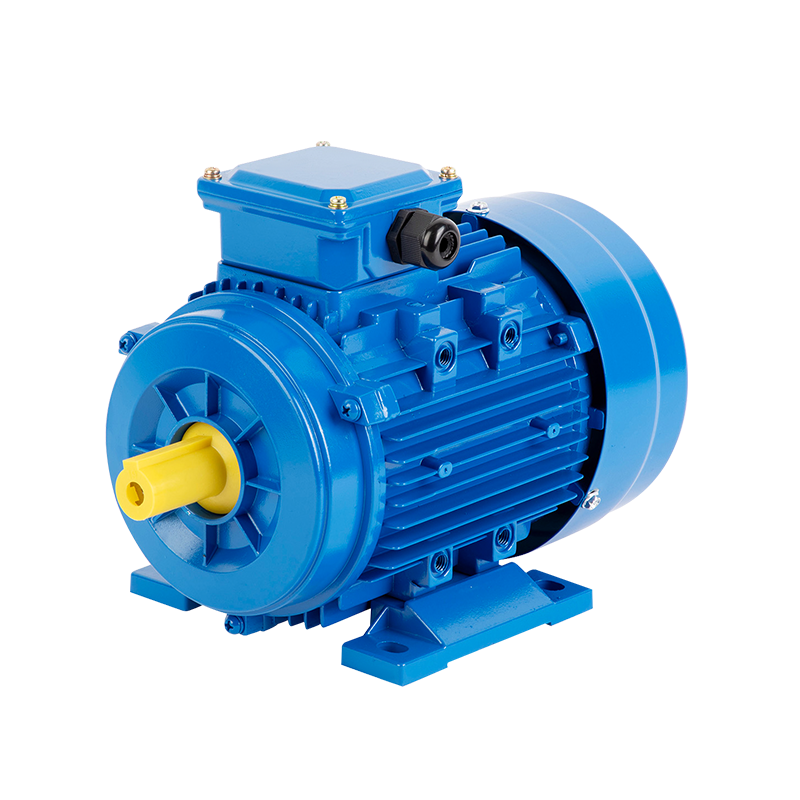
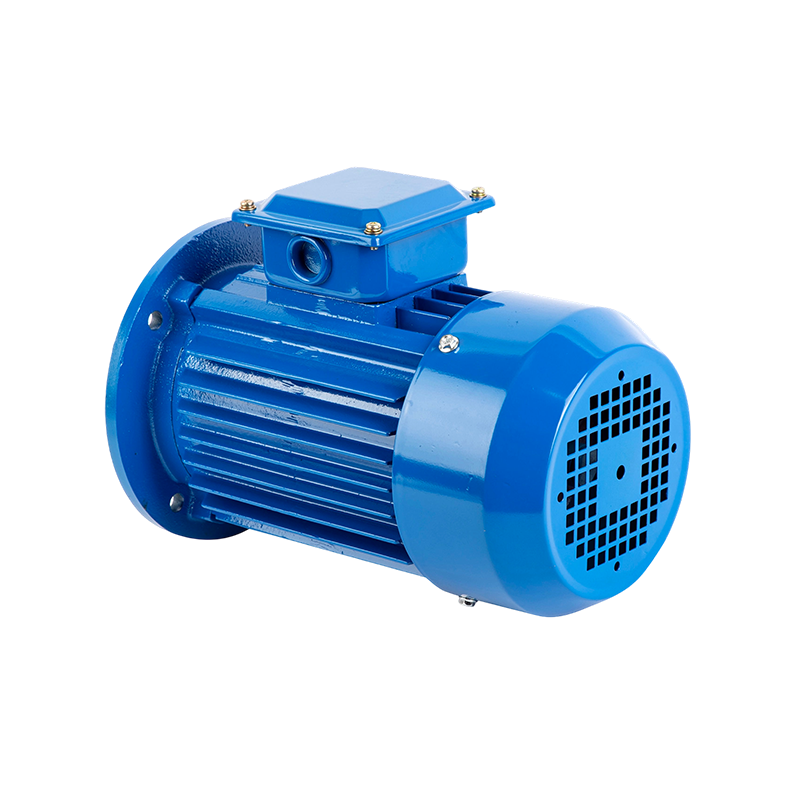
For a Three Phase Industrial Motor, bearing inspection should not be treated as a quick visual step. Surface condition, cleanliness, fit, and lubrication all deserve attention because a small problem can become harder to identify once the motor has been assembled.
A simple inspection routine also helps separate two different situations: a bearing that is ready for installation and one that needs further attention. Careful observation before assembly can reduce unnecessary adjustment during later work.
Why Should a Motor Bearing Be Inspected Before Installation
Bearings experience handling during production, transportation, storage, and preparation for assembly. Even when packaging remains intact, dust, moisture, or accidental contact may affect the exposed surfaces after the package is opened.
A visual inspection provides an early opportunity to check whether the component appears suitable for installation. Surface marks, corrosion, damaged seals, or unusual movement can indicate a condition that should not be ignored.
Bearing inspection also needs to consider the surrounding motor parts. A clean bearing installed against a dirty shaft or contaminated mounting area may still encounter problems during operation. For that reason, inspection should cover both the bearing and the areas that will come into contact with it.
A practical pre‑installation check can include:
- General bearing appearance
- Condition of exposed surfaces
- Cleanliness around the component
- Possible signs of corrosion
- Seal condition where applicable
- Smoothness of movement
- Compatibility with the intended motor assembly
Guidance for electric motor maintenance commonly emphasizes clean bearing surfaces and careful inspection before assembly, especially where dust, dirt, oxidation, or marks are present.
For a Three Phase Industrial Motor, such preparation creates a cleaner transition from inspection to installation. It also avoids treating installation as a separate action with no connection to component condition.
What Should Be Checked on the Bearing Surface
Surface inspection should begin with the visible parts of the bearing. Good lighting makes small marks easier to notice, especially around the rings, rolling surfaces, and sealing areas.
Scratches, dents, rust, discoloration, or rough marks deserve attention. A small surface mark does not automatically indicate that a bearing cannot be used, since the location and character of the mark also matter. Any visible damage should be assessed according to the bearing design and motor requirements rather than ignored.
Seals need separate attention where sealed bearings are used. A damaged seal can affect protection against dirt and may also allow lubricant to escape. Loose or deformed sealing parts should therefore be checked before the bearing reaches the assembly stage.
Movement can provide another simple clue. When appropriate for the bearing design, gentle manual movement should feel consistent rather than rough or irregular. Grinding sensations, unusual resistance, or unexpected noise can indicate a condition that requires closer inspection.
| Inspection Area | What to Look For | Reason for Checking |
|---|---|---|
| Outer surface | Scratches, dents, rust | Indicates possible handling or storage damage |
| Inner ring | Marks or surface damage | Affects shaft contact |
| Rolling area | Rough or damaged appearance | May affect smooth movement |
| Seal area | Cracks, deformation, looseness | Helps maintain protection and lubrication |
| General movement | Irregular feel or noise | May indicate internal condition |
Inspection should remain gentle throughout the process. Bearing surfaces are not intended to be treated like ordinary metal parts, and careless contact can introduce new damage before installation even begins.
How Can Cleanliness Affect Bearing Installation
Cleanliness has a simple role in bearing preparation: unwanted material should not enter areas where moving surfaces meet. Dust, metal particles, moisture, old lubricant, and other contaminants can interfere with normal bearing movement.
A clean working area is therefore useful before opening or preparing the bearing. Tools, hands, work surfaces, and nearby motor parts should not introduce dirt into the assembly.
Cleaning also requires restraint. Rough handling or unsuitable cleaning methods can damage sensitive surfaces or push contamination deeper into the bearing. Manufacturer instructions for a particular motor or bearing should determine the appropriate cleaning method.
For an industrial motor, cleanliness extends beyond the bearing itself. The shaft area, bearing seat, covers, and nearby mounting surfaces should also remain free from dirt. Motor maintenance guidance commonly calls for bearing cavities and related surfaces to be free of dust and foreign material before operation.
A useful preparation sequence is:
- Prepare a clean working area.
- Inspect the bearing before cleaning.
- Remove suitable surface contamination using an approved method.
- Keep cleaned parts protected from fresh dust.
- Check surrounding mounting surfaces before assembly.
Careful cleaning does not mean repeated handling. Once a bearing has reached a suitable condition, unnecessary contact can create another source of contamination.
How Should Bearing Fit and Size Be Checked
A bearing may appear visually correct and still be unsuitable for a particular motor. Correct selection depends on the intended shaft, bearing seat, mounting arrangement, and motor design.
Checking the bearing marking against the required component information is therefore useful before installation. Relying only on physical appearance can create confusion when similar bearings have different dimensions or design characteristics.
Fit deserves attention as well. A bearing mounted on a shaft needs an appropriate relationship between the inner ring and shaft surface. The outer ring also needs to match its intended mounting location. An incorrect fit can affect how forces are transferred through the bearing during operation.
For a Three Phase Industrial Motor, shaft and bearing dimensions should be checked according to the motor's specified assembly requirements. Installation guidance for industrial motors also stresses checking shaft and bearing surfaces before fitting and avoiding damage during assembly.
Several points can be checked before moving toward installation:
- Bearing identification matches the intended assembly
- Inner ring corresponds with the motor shaft
- Outer ring corresponds with the bearing mounting area
- Contact surfaces are clean
- No visible burrs or damage are present
- Bearing position and orientation are suitable for the motor design
Correct fit is not simply a matter of making a component physically enter its mounting position. The relationship between bearing, shaft, and surrounding structure determines how the assembly will behave once the motor starts operating.
What Role Does Lubrication Play Before Installation
Lubrication should be checked according to the bearing design and the motor manufacturer's requirements. Some bearings arrive prepared for use, while others require a specified lubricant or preparation before assembly. Treating every bearing in the same way can create unnecessary problems.
Too little lubricant may leave moving surfaces without suitable protection, while excessive lubricant can also create unwanted heat and resistance during operation. Motor maintenance guidance warns against over‑lubrication and recommends following the specified lubricant and quantity for the bearing.
Mixing different lubricants without confirming compatibility is another condition worth avoiding. Existing lubricant should not simply be combined with a different material because the two products appear similar. Cleaning and replacement may be required according to the motor's maintenance instructions.
Before installation, lubrication inspection can focus on:
- Whether the bearing is already lubricated
- Whether the lubricant appears clean
- Whether contamination is visible
- Whether the lubricant matches the required type
- Whether the amount appears appropriate for the specified assembly
Lubrication should also be considered alongside storage and installation conditions. A bearing kept in a clean, dry environment may require a different preparation process from a component that has been opened, handled, or exposed to unsuitable conditions.
For a Three Phase Motor Factory, consistent inspection and preparation can help keep bearing assembly aligned with the intended motor design. For maintenance personnel, the same principle applies: bearing condition should be confirmed before installation rather than corrected after operating problems appear.
How Should the Motor Shaft Be Inspected
A bearing does not work alone inside a motor. Its inner ring needs to sit correctly against the motor shaft, so shaft condition deserves attention before installation starts. A clean and undamaged shaft provides a more suitable surface for bearing assembly.
Inspection can begin around the section where the bearing will be fitted. Dirt, oil residue, rust, scratches, or small raised areas may interfere with the intended fit. A shaft can look generally clean while still having a small mark around an important contact area, so inspection should be carried out with enough light and care.
Surface condition also matters during handling. Scratches created during cleaning or assembly may affect contact between the shaft and bearing. Rough tools should not be used directly on the shaft surface, especially around the bearing mounting area.
Several points are worth checking:
- Shaft surface is clean and free from loose material
- No obvious rust is present around the bearing position
- No deep scratches or dents are visible
- Contact areas remain smooth
- Shaft dimensions correspond with the required bearing fit
- No raised material could interfere with assembly
For a Three Phase Industrial Motor, the shaft should also be checked for signs of previous bearing removal or installation. Marks around the fitting area may indicate earlier mechanical work and can provide useful information before a replacement bearing is installed.
Shaft inspection should remain separate from bearing inspection. A bearing may be in good condition while an unsuitable shaft surface creates difficulty during assembly. Checking both parts gives a more complete view of the installation condition.
What Should Be Checked Around the Bearing Seat
The bearing seat forms another important contact area inside a motor. Its condition can affect how the outer part of the bearing sits within the motor structure, making cleanliness and surface condition important before assembly.
Loose dirt should be removed from the surrounding area, especially around corners or recessed sections where particles can remain unnoticed. Rust, dents, raised material, or visible damage should also be checked.
A damaged mounting surface may prevent the bearing from sitting as intended. Even a small obstruction can change the position of the bearing or create uneven contact. Such a condition should be dealt with before assembly rather than forcing the bearing into place.
The bearing seat can be checked through a simple visual process:
- Remove loose dirt from the surrounding area.
- Inspect the contact surface under suitable lighting.
- Look for corrosion, dents, scratches, or raised material.
- Confirm that no foreign material remains inside the mounting area.
- Check the surface against the motor assembly requirements.
Care is particularly important when working with a Three Phase Industrial Motor that has already been in service. Old lubricant, dust, or small particles may collect around the bearing area during operation, making cleaning part of the preparation process.
A clean bearing seat also makes later inspection easier. Once the area is clear, any unusual surface condition becomes easier to identify before the bearing is fitted.
How Can Storage Conditions Affect Bearing Condition
Bearing condition is influenced not only by assembly work. Storage can also affect a component before it reaches the installation stage. Moisture, dust, temperature changes, and careless handling may gradually change the condition of exposed surfaces.
Packaging provides some protection during storage, so its condition is worth checking before the bearing is opened. Damaged or opened packaging may indicate that additional inspection is needed.
Long periods of storage can also require attention to surface appearance and lubrication. Signs of rust, moisture marks, unusual discoloration, or contaminated lubricant should not be overlooked.
A suitable storage area should help keep bearings:
- Protected from moisture
- Away from unnecessary dust
- Free from direct contact with dirty surfaces
- Protected from impact and pressure
- Kept in their intended packaging until preparation
Storage practices can matter during manufacturing as well. A Three Phase Motor Factory may handle bearings before assembly, during production, or before finished motors are prepared for shipment. Keeping components protected during each stage reduces the chance of contamination or accidental damage.
Once a bearing has been removed from storage, inspection should take place before installation rather than assuming that the storage condition was sufficient. Packaging can protect a component, yet inspection remains useful because handling conditions can vary during transportation and preparation.
What Installation Tools Should Be Checked Before Use
Tools used during bearing installation should match the work being performed. A suitable tool helps control contact and force, while an unsuitable tool may place pressure on an unintended part of the bearing.
Tool cleanliness matters as well. Dirt or metal particles on an installation tool can transfer directly onto the bearing or shaft. A quick inspection before use can prevent contamination from entering a clean assembly.
Tools should also be free from obvious damage. A worn, cracked, bent, or rough tool may make controlled installation more difficult. The condition of the tool can influence how force is applied during fitting.
Before assembly begins, several practical checks can be made:
- Tool surfaces are clean
- No loose particles are present
- Working surfaces are free from obvious damage
- Tool size matches the intended installation task
- Contact will occur at the appropriate bearing area
- No unnecessary force is expected during assembly
Bearing installation should not rely on force as a solution for poor fit. Resistance during assembly may indicate an incorrect bearing, an unsuitable shaft condition, contamination, or another issue that needs inspection.
For industrial motor production, preparing the correct tools before assembly can also make the work more consistent. A Three Phase Motor Factory may have established procedures for different motor sizes and bearing arrangements, while maintenance work may require the same basic principle of matching tools with the assembly.
How Should the Final Bearing Inspection Be Completed
A final check brings the separate inspection steps together before installation starts. At this point, the bearing should have a suitable surface condition, clean contact areas, an appropriate fit, and the required lubrication condition.
The motor shaft and bearing seat should also be ready. No loose dirt should remain around the installation area, and visible damage should have been addressed before assembly.
A short final check can focus on five areas:
| Final Check | Main Point |
|---|---|
| Bearing condition | No obvious damage or corrosion |
| Cleanliness | Bearing and contact areas are free from unwanted material |
| Fit | Bearing matches the intended shaft and mounting position |
| Lubrication | Lubricant condition follows the required preparation |
| Tools and area | Installation equipment and surroundings are clean |
Final inspection does not need to become a complicated process. A consistent sequence can make it easier to notice a missing step, especially during repeated motor assembly or maintenance work.
Records may also be useful in production and maintenance settings. Basic notes about an unusual bearing condition, damaged packaging, or a shaft surface requiring attention can help later work avoid the same issue.
For a Three Phase Industrial Motor, installation quality begins before the bearing reaches the shaft. Checking each related component creates a more controlled starting point and reduces the chance of carrying an unnoticed problem into the assembled motor.
Careful inspection also supports better maintenance decisions. A bearing that passes the pre‑installation check can move into assembly with clearer conditions around it, while a questionable component can be held for further assessment before operating conditions make the problem harder to trace.


