 English
 Español



Building 1, Block 4, Wufeng Industrial Park, Daxi Town, Taizhou City, Zhejiang Province, China
Small equipment often has limited internal space, so every major component needs to fit into a relatively compact structure without creating unnecessary pressure on the surrounding parts. Motors are particularly important because they provide the movement needed for pumping, rotating, circulating air, or driving other mechanical parts, while also taking up part of the available installation area.
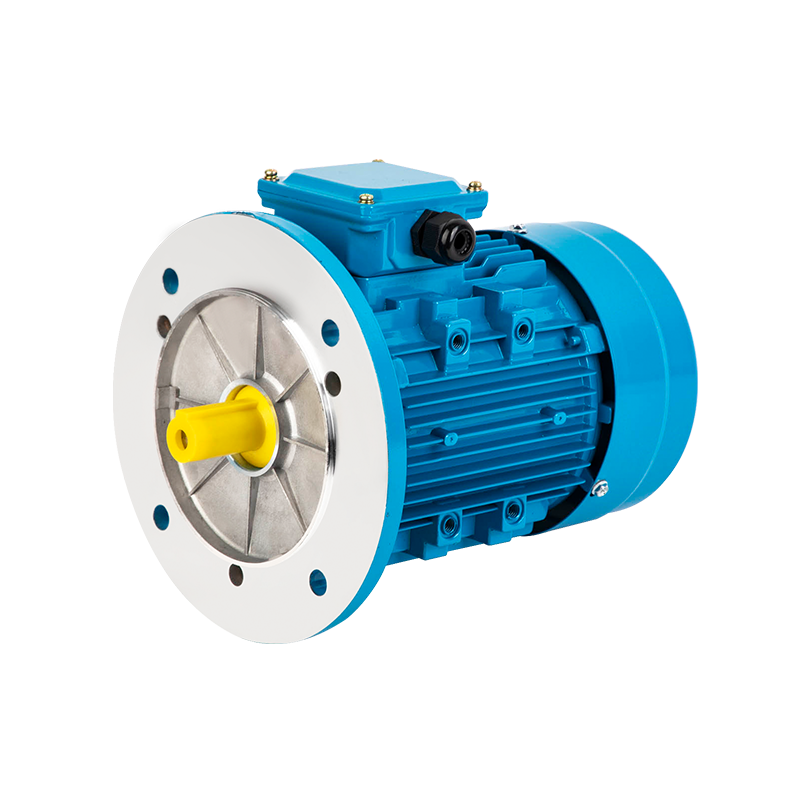
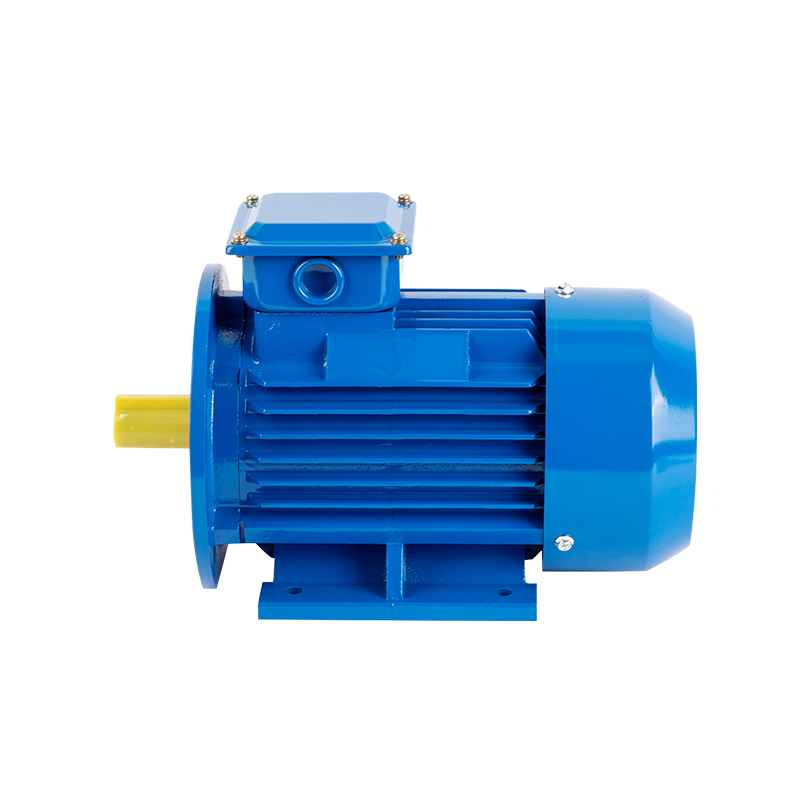
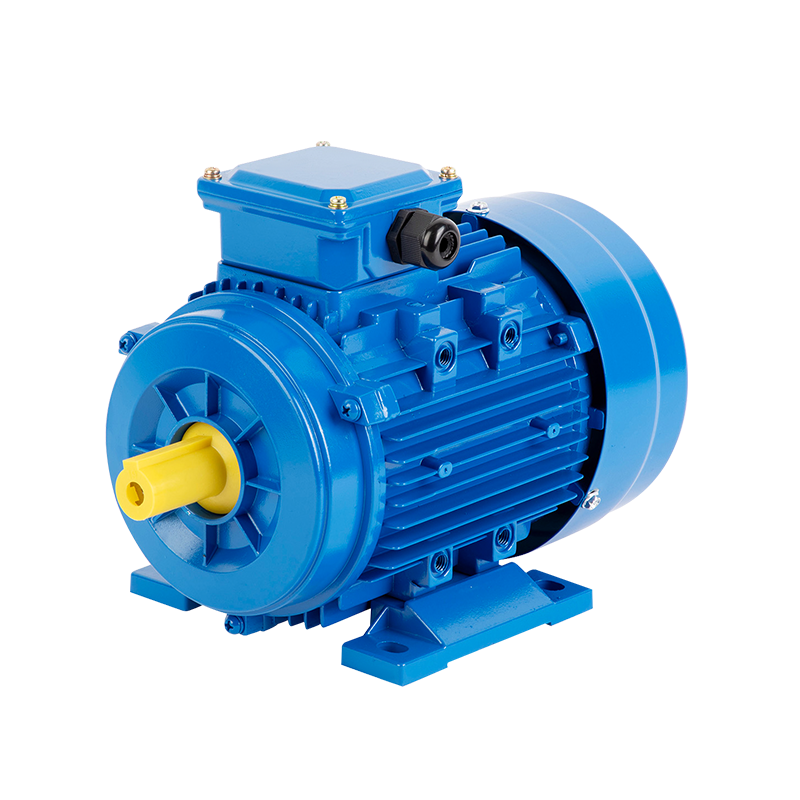
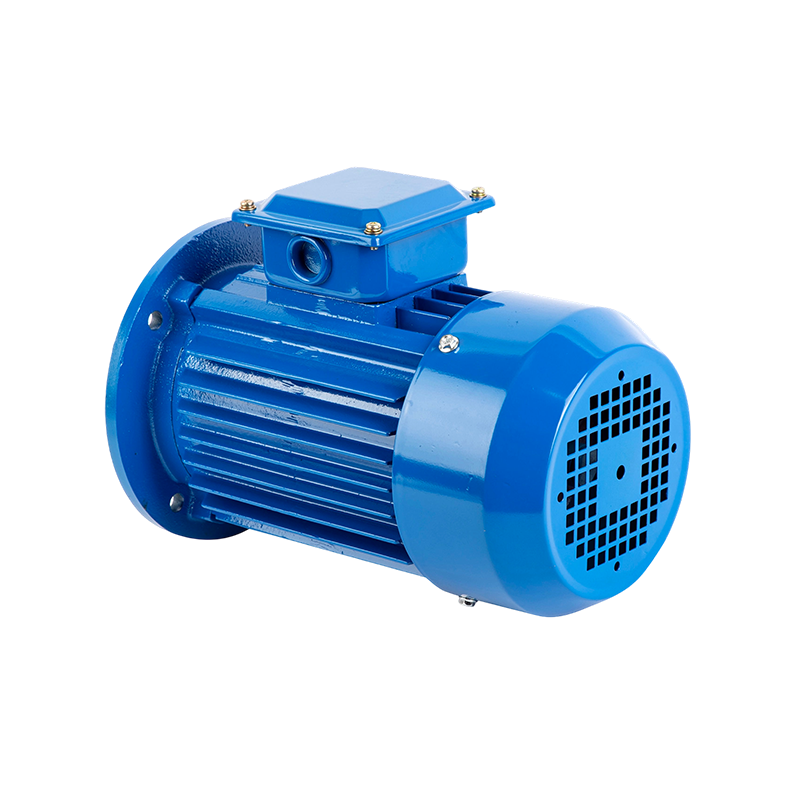
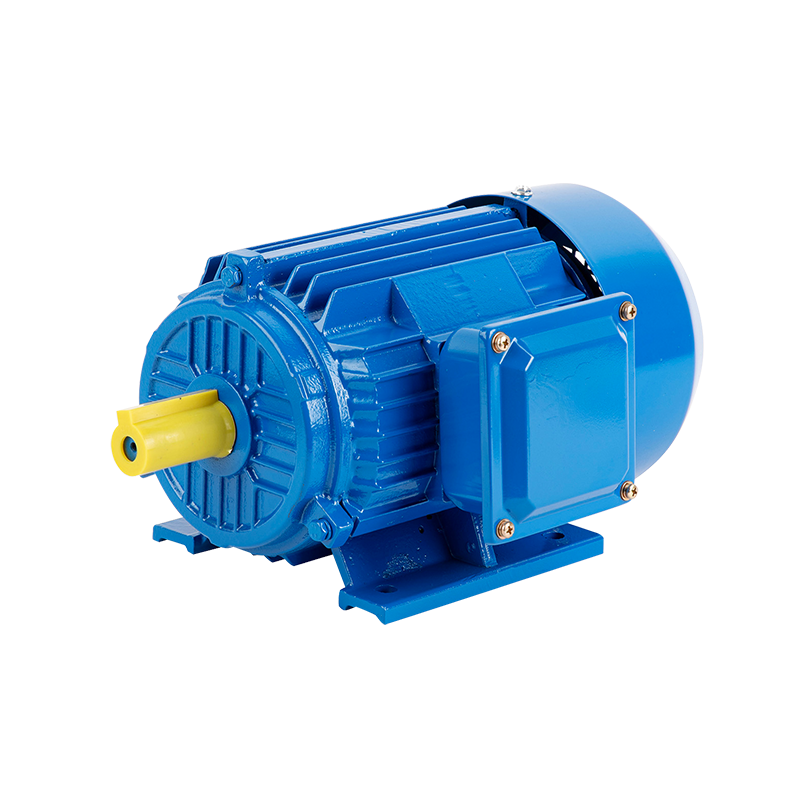
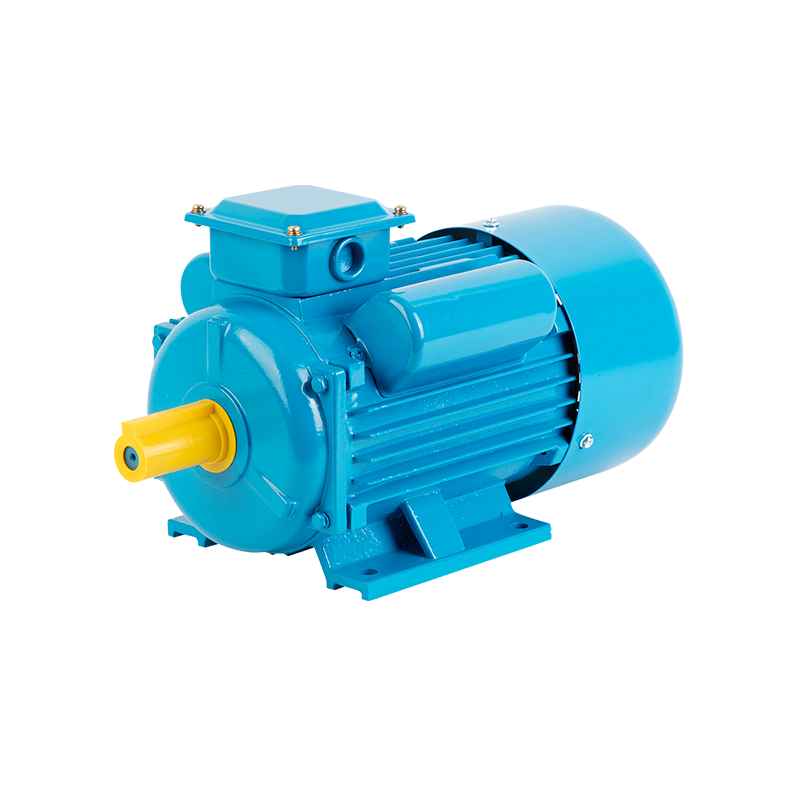
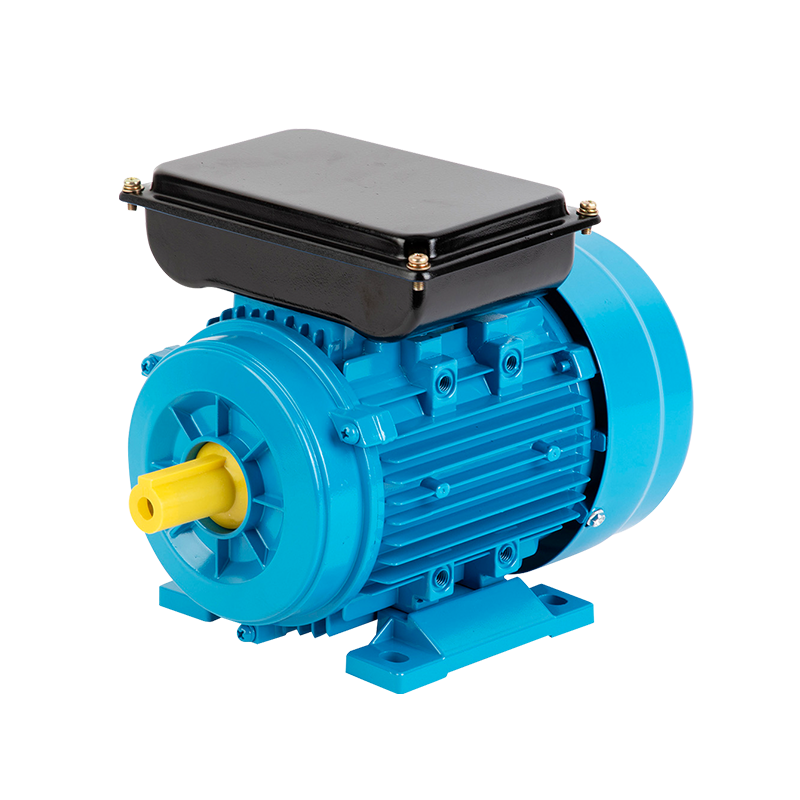
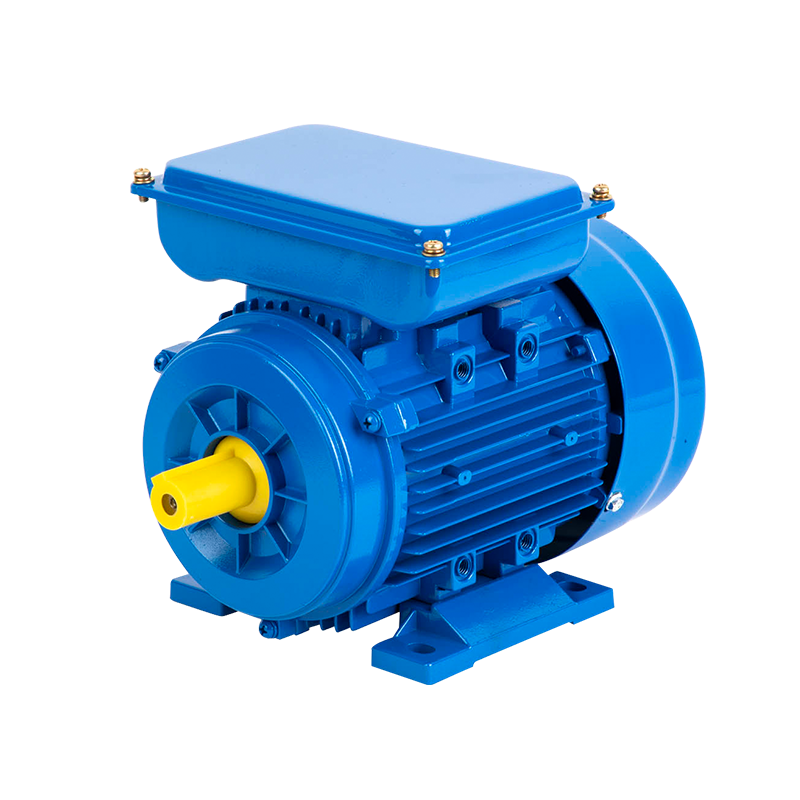
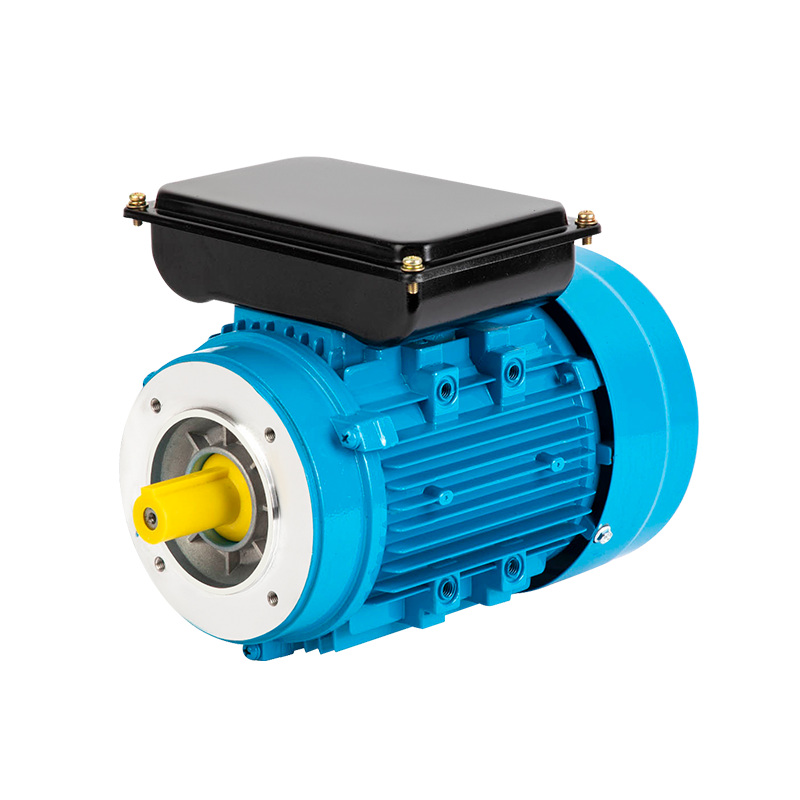
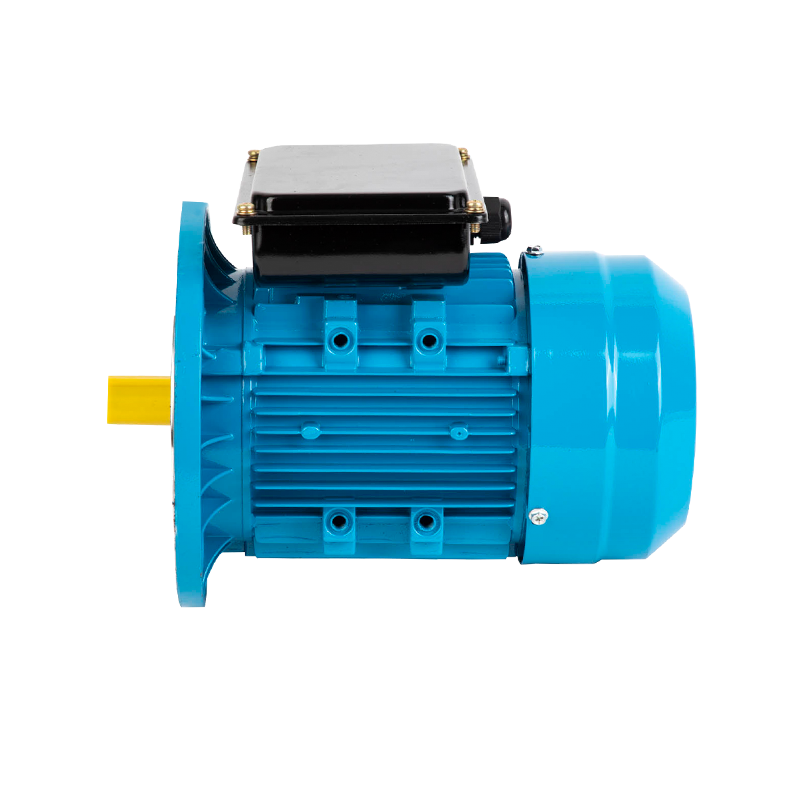
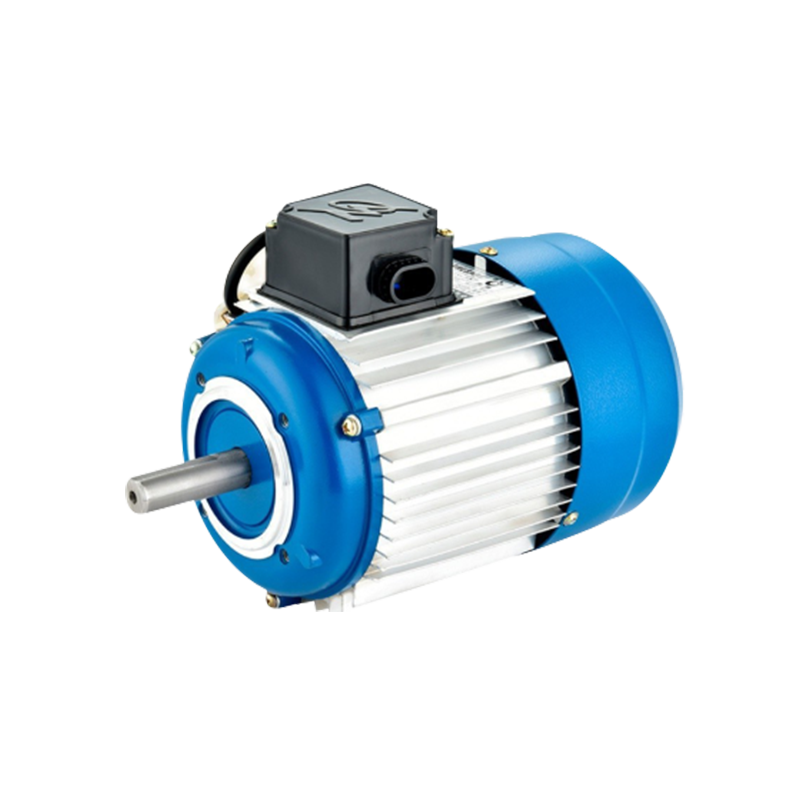
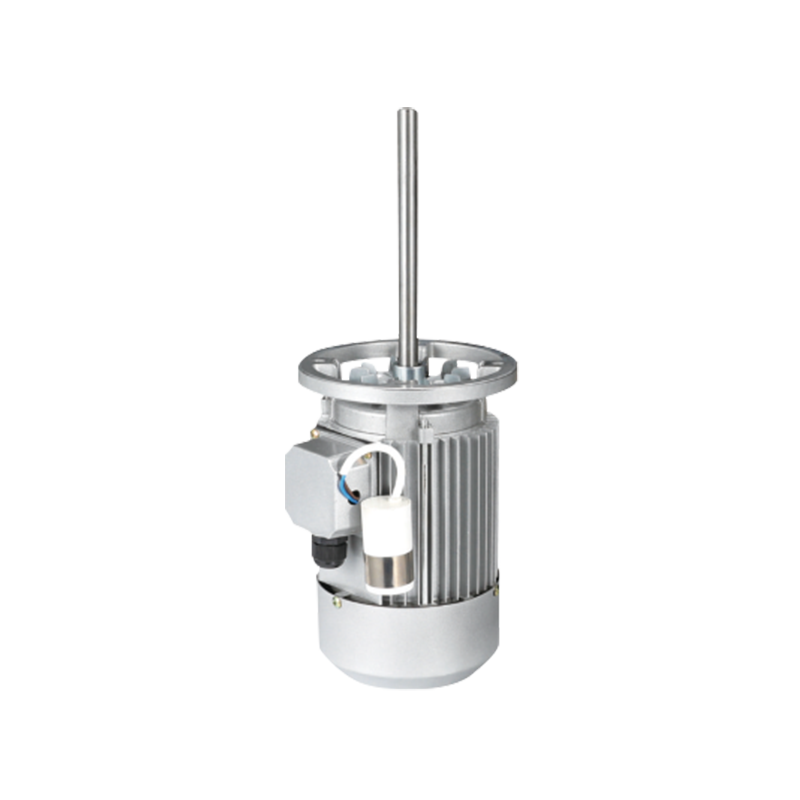
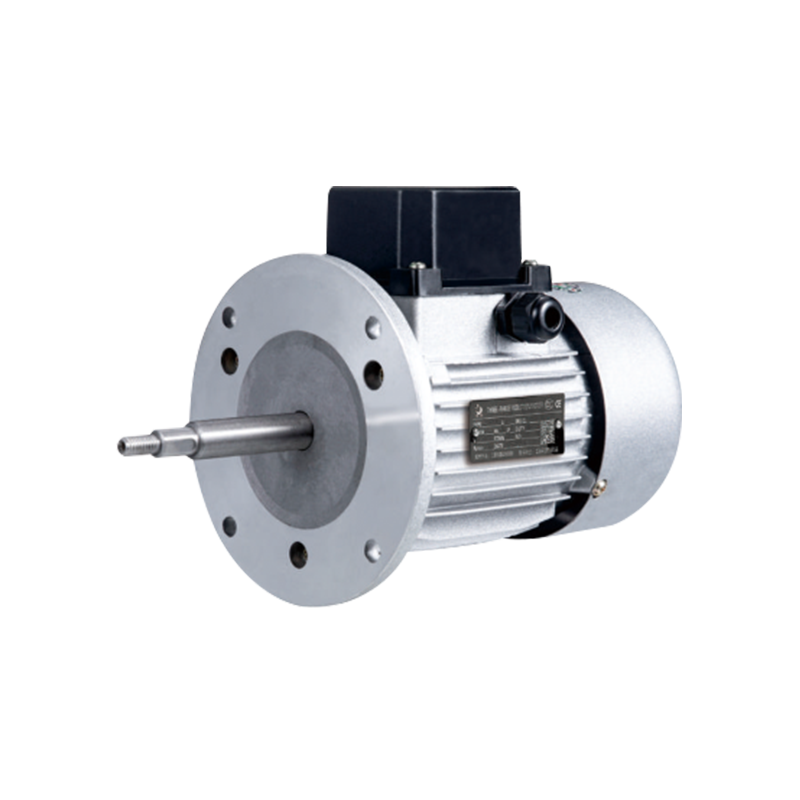
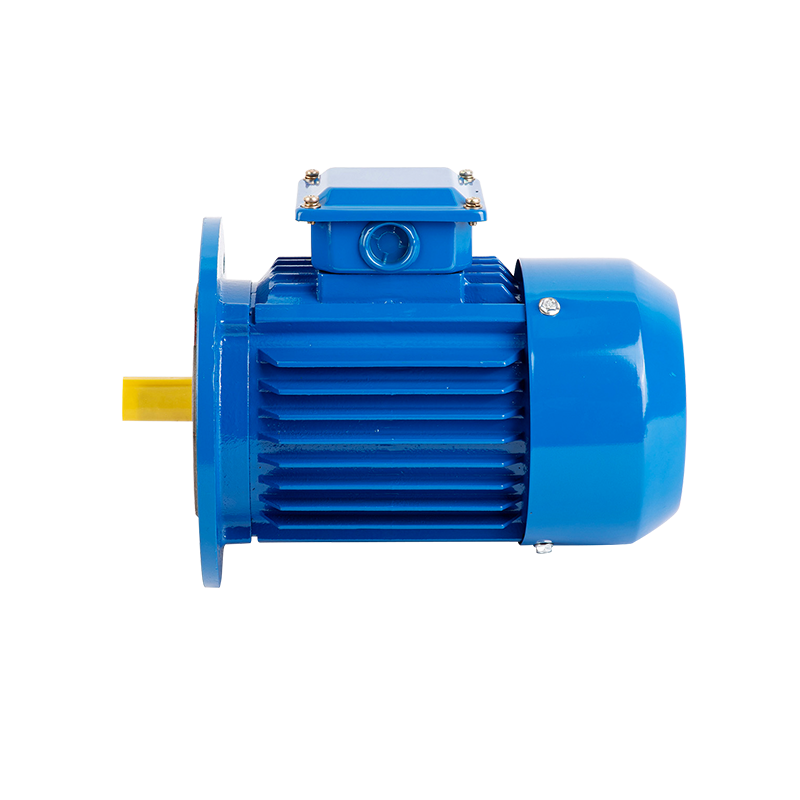
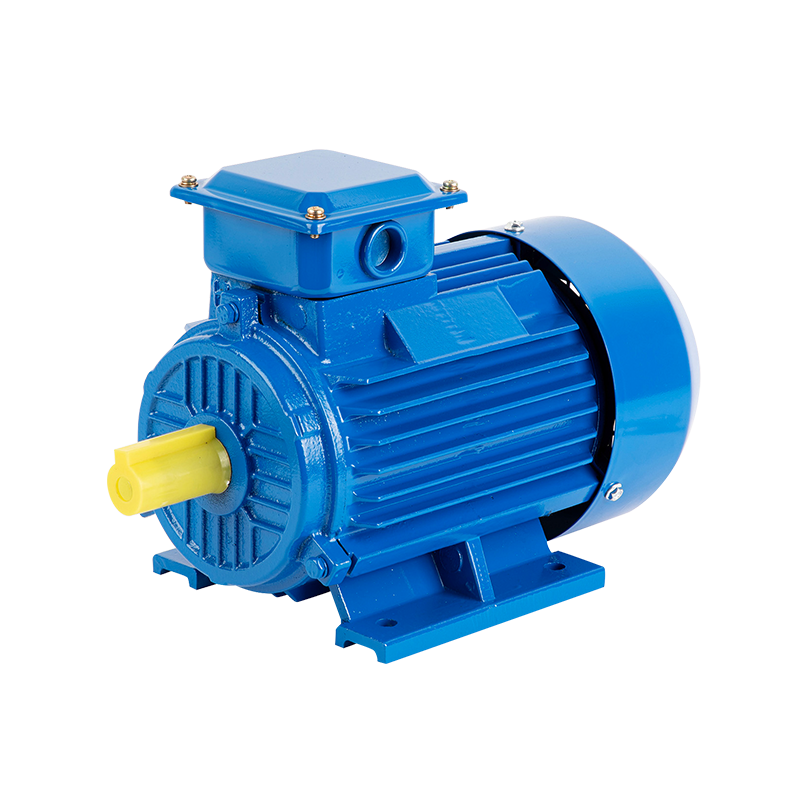
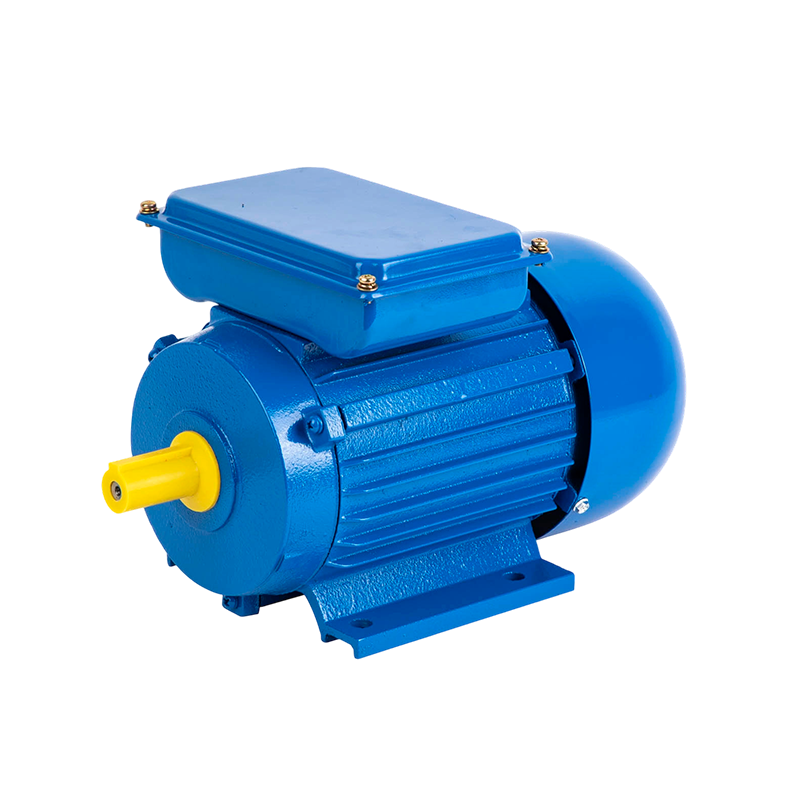
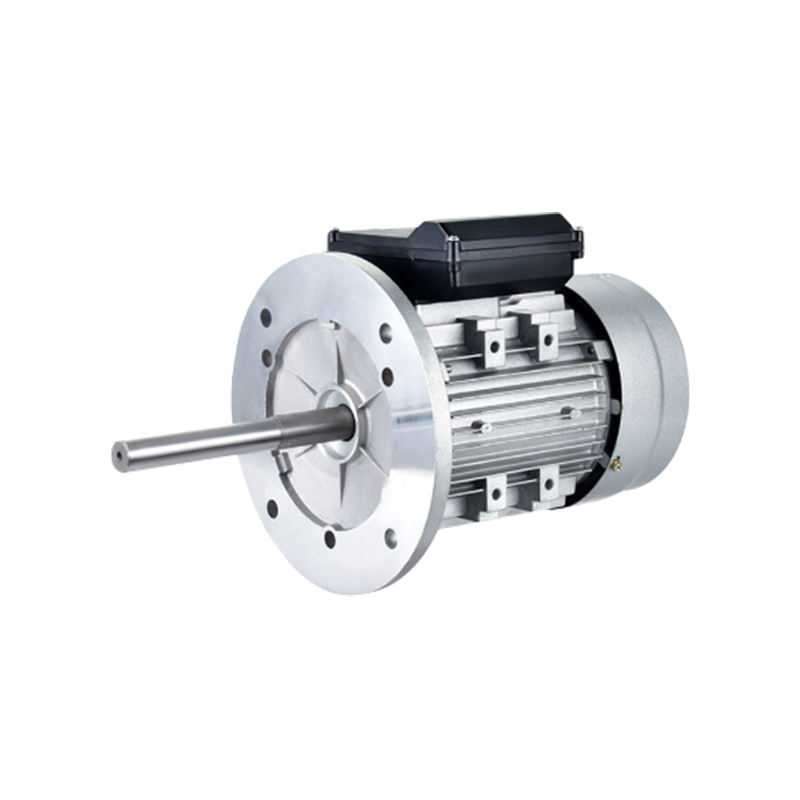
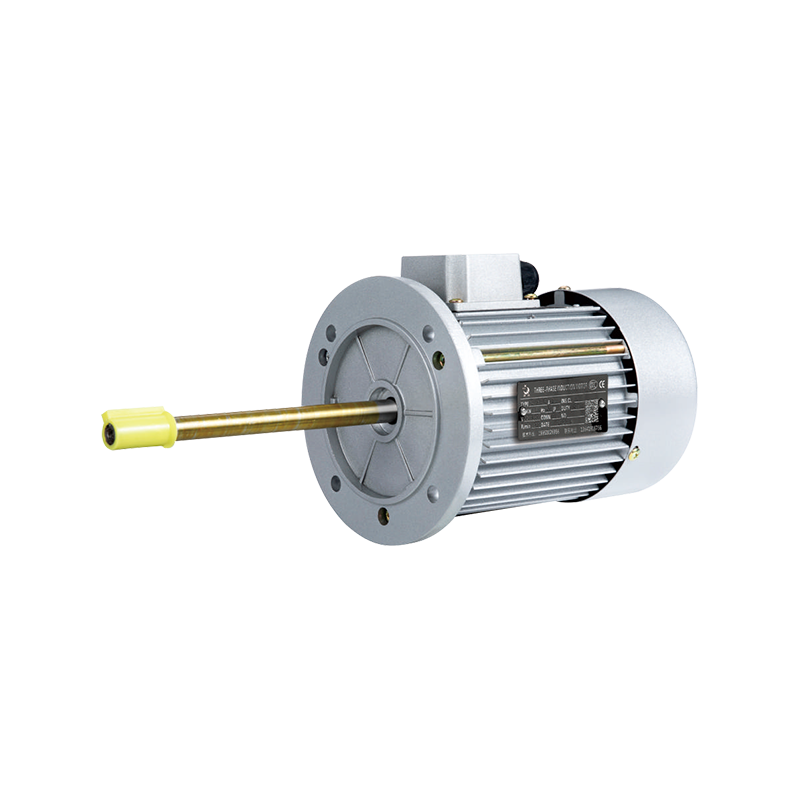
An Aluminum Frame Motor can fit into such equipment because its housing can be integrated into a compact mechanical layout while providing a protective structure around the motor. Aluminum also offers a practical balance between housing weight and structural support, which can matter when the motor forms part of a portable machine or a device that needs to remain relatively easy to handle.
Heat is another consideration. A motor produces heat during operation, and the housing becomes part of the path through which that heat can move toward the surrounding environment. Equipment designers therefore need to consider the motor together with ventilation openings, surrounding components, and available space rather than treating the housing as an isolated part.
Installation can also influence the choice. Small equipment may place the motor close to pumps, fans, belts, shafts, or other moving components, leaving little room for complicated mounting arrangements. A suitable motor structure can make it easier to organize these parts within the available space.
How Does an Aluminum Frame Motor Fit Into Compact Equipment
Compact equipment requires careful planning because the motor rarely works alone. A pump may need a motor positioned close to its moving section, while a fan may place the motor directly within the airflow structure. A small processing machine may connect the motor to another mechanical component through a simple transmission arrangement.
Motor placement can therefore influence the shape and layout of the entire device.
Several factors usually need attention during installation:
- Available space around the motor
- Position of nearby moving components
- Access for inspection and maintenance
- Air movement around the housing
- Stability of the mounting structure
- Connection between the motor and driven equipment
A motor that physically fits into a machine may still create practical difficulties when access for maintenance is limited or surrounding parts restrict ventilation. For that reason, compact design should not be understood simply as making every component smaller. Good equipment layout leaves enough room for movement, heat dissipation, inspection, and necessary adjustments.
The relationship between the motor shaft and the driven component also matters. Poor alignment can place unwanted mechanical stress on connected parts, while an unsuitable mounting position can make routine maintenance more difficult. A thoughtful layout considers how the machine will be used throughout its operating life rather than focusing only on initial assembly.
What Types of Small Equipment Commonly Use an Aluminum Frame Motor
Applications vary widely because small equipment covers many different types of machines. An Aluminum Frame Motor can be found in equipment where compact construction and practical motor installation are important.
| Equipment Type | Main Motor Role | Important Application Consideration |
| Small Pumps | Drives pumping movement | Space, operating environment, heat management |
| Fans | Drives rotating fan components | Airflow, mounting stability, surrounding clearance |
| Ventilation Equipment | Supports air circulation | Continuous operation and ventilation space |
| Compact Processing Equipment | Provides mechanical movement | Load changes and connection arrangement |
| Light Commercial Equipment | Drives internal moving parts | Maintenance access and overall layout |
Small pumps and fans represent straightforward examples because their main functions depend directly on motor-driven movement. Compact processing equipment can involve a wider range of mechanical actions, so motor selection becomes more closely connected with the structure of the machine.
Household and light commercial equipment may also use compact motors where installation space is restricted. In such applications, noise, maintenance access, operating environment, and overall equipment size may receive more attention than in larger industrial machines.
Different applications place different demands on a motor, so the frame material alone cannot determine whether a particular design is suitable. Operating conditions and equipment structure need to be considered together.
How Does an Aluminum Frame Motor Support Small Pump Applications
Pumping equipment often places the motor close to the pump body, making installation space an important part of the design. A motor must provide the required mechanical movement while remaining compatible with the available mounting area and surrounding components.
Small pumps can be used for water circulation, liquid transfer, cooling arrangements, and other compact systems. Each application may have a different operating pattern, so the motor needs to match the way the pump is expected to work.
Heat management also deserves attention. A pump may operate in an enclosed machine where airflow is limited, which can make the surrounding layout important to motor operation. Leaving suitable space around the housing and avoiding unnecessary obstruction can help maintain a more practical operating environment.
The connection between motor and pump also needs careful consideration. A stable mounting structure helps keep the two components properly positioned during operation. When the connection is poorly arranged, vibration or mechanical stress may spread into surrounding parts.
For small pumping equipment, the Aluminum Frame Motor therefore forms part of a larger mechanical arrangement. Its role is not limited to providing rotation; its size, housing structure, mounting position, and relationship with the pump can all influence how the complete device is arranged.
What Role Does It Play in Fans and Ventilation Equipment
Fans and compact ventilation devices rely on motor-driven rotation to move air through a defined area. Compared with a pump, a fan usually places more attention on the relationship between the motor, rotating fan component, airflow path, and surrounding enclosure.
An Aluminum Frame Motor can be integrated into such equipment where the motor housing needs to occupy a relatively organized space within the overall structure. The frame also forms part of the surface surrounding the motor, making the relationship between the housing and available airflow worth considering during equipment design.
Stable installation is another important point. A rotating component needs to remain properly positioned during operation, so the mounting structure should provide suitable support without creating unnecessary movement.
Small ventilation equipment may also operate in areas where access is limited. Maintenance planning therefore becomes part of the original design rather than something considered only after installation.
For example, designers may need to leave enough space to inspect connections, remove accumulated dust, or check the condition of surrounding components. Such details can make a difference to how practical the equipment is to maintain.
The same principle applies to cooling fans installed inside other machines. In such cases, the motor has to work within an already crowded enclosure, so its physical arrangement can influence the position of nearby electrical and mechanical components.
As applications become more compact, motor selection increasingly becomes a question of how the motor works within the machine, rather than simply whether the motor can provide movement. That consideration leads naturally to compact processing equipment, where the motor may be connected to several different types of moving parts.
How Can It Be Used in Compact Processing Equipment
Compact processing equipment often uses motors to create movement inside a limited working space. A motor may drive a rotating part, move material through a machine, operate a small mixing mechanism, or support another mechanical action required by the equipment. Compared with a simple fan or pump, such machines can place more varied demands on the motor because the connected parts may change the load during operation.
An Aluminum Frame Motor can form part of this arrangement when its physical size and mounting structure suit the machine layout. Space planning becomes especially important when the motor needs to sit close to belts, shafts, couplings, or other moving parts. Enough clearance should remain around the assembly for inspection and adjustment without making the equipment unnecessarily large.
Load changes also deserve attention. A processing machine may not require the same amount of mechanical effort throughout its operating cycle. Starting movement, continuous operation, and changes in the material being processed can place different demands on the drive system. Motor selection therefore needs to follow the actual working pattern rather than relying only on the external size of the machine.
A practical installation may consider:
- How the motor connects with the driven component
- Whether the mounting structure remains stable during operation
- How heat can move away from the motor housing
- Whether nearby parts leave enough room for movement
- How easily the motor can be reached during maintenance
Such details are easy to overlook when attention is placed only on whether a motor can fit inside an enclosure. A compact machine still needs room for normal operation, inspection, cleaning, and service.
What Makes an Aluminum Frame Motor Suitable for Space Limited Equipment
Limited space changes the way equipment designers think about motor installation. A motor may need to share a small enclosure with wiring, transmission parts, cooling components, and other mechanical assemblies, so its external structure becomes part of the overall layout.
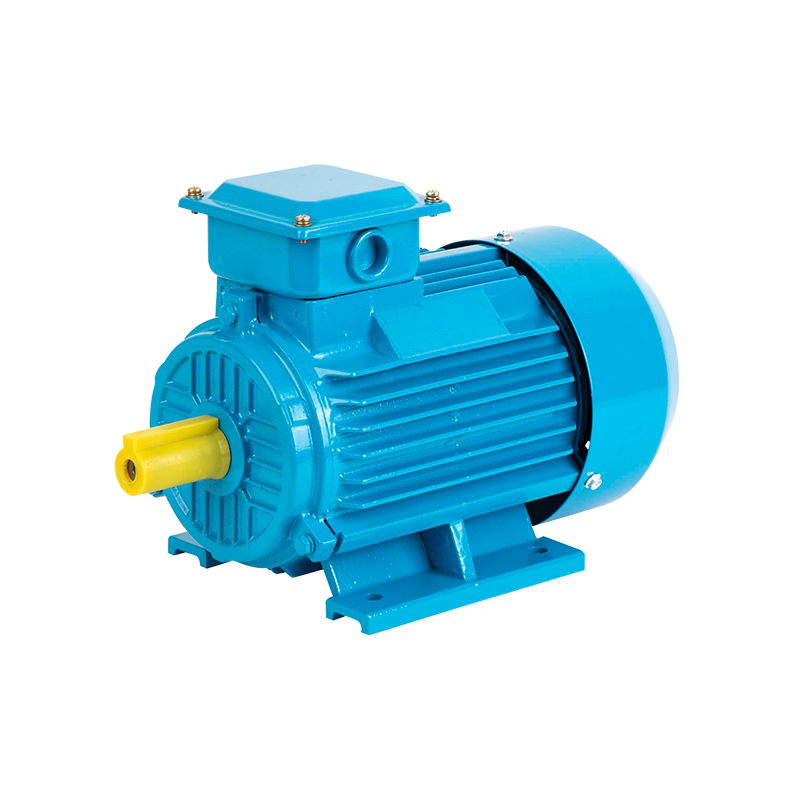
An Aluminum Frame Motor can be considered where a balance between housing structure and equipment weight is useful. Aluminum construction can reduce the burden created by the motor housing while still providing a defined enclosure for the internal motor components.
Heat management remains part of the design process. Motor operation naturally creates heat, and a compact enclosure can restrict airflow around the housing. Designers may therefore need to consider ventilation openings, surrounding clearance, and the position of nearby heat-sensitive parts.
The mounting method also affects practical use. A motor should remain firmly supported while connected components move. At the same time, the mounting arrangement should allow access when inspection or replacement becomes necessary.
A useful layout normally leaves attention to four areas:
- Physical clearance around the motor and connected parts
- Mounting stability during normal operation
- Air movement around areas that require heat removal
- Maintenance access for inspection and cleaning
Compact construction should not mean that every available space is filled. A well-planned machine uses available room efficiently while preserving the conditions required for safe and convenient operation.
What Should Be Considered During Installation
Correct installation helps the motor work as part of the equipment rather than as an isolated component. Mounting surfaces should provide stable support, while connected mechanical parts need to remain properly positioned during operation.
Alignment deserves attention when a motor drives another rotating component. A poorly arranged connection can create additional mechanical stress and may influence vibration or wear around connected parts. The issue is not limited to the motor itself because surrounding components can also be affected.
Ventilation should remain clear as well. Covering or blocking areas intended for airflow can change the thermal conditions around the motor. Small equipment often has limited air movement, making the arrangement of nearby panels, covers, and other components particularly relevant.
Maintenance access should be considered before installation is completed. A motor that is difficult to reach can increase the effort required for inspection and cleaning, especially when it sits deep inside a compact machine.
How Does Maintenance Affect Its Use in Small Equipment
Regular maintenance helps keep the motor and its surrounding equipment in a condition that supports normal operation. Dust, moisture, loose mounting connections, and accumulated material can gradually change the environment around a motor, particularly when the equipment operates in a confined space.
External cleaning is a simple part of maintenance. Keeping dust from building up around the housing and nearby ventilation areas can help preserve suitable airflow. Moisture should also be controlled, especially when the equipment is used in an environment where condensation or splashing may occur.
Mechanical connections deserve occasional attention. Changes in vibration, unusual operating noise, or movement around the mounting area may indicate that the equipment needs inspection.
A useful routine can include:
- Checking the motor housing for dirt or moisture
- Inspecting mounting points
- Observing unusual noise or vibration
- Keeping surrounding airflow paths clear
- Checking connected mechanical parts
- Following the maintenance requirements supplied with the equipment
Maintenance observations can also provide information about the wider machine. A change in motor behavior may originate from a connected component rather than from the motor itself, so inspection should consider the complete drive arrangement.
How Does the Application Determine the Right Motor Structure
Different small machines place different demands on their motors. A pump needs a suitable connection with its pumping mechanism, while a fan depends on stable rotation and an appropriate airflow arrangement. Compact processing equipment may require the motor to work with changing mechanical loads, and household or light commercial equipment may place greater attention on size, maintenance, and installation convenience.
For that reason, an Aluminum Frame Motor should be evaluated according to its intended application rather than treated as a universal solution for small equipment.
A practical selection process can begin with the working environment, then move toward installation space, operating pattern, mechanical connection, heat management, and maintenance needs. Looking at those factors together gives a clearer picture of whether the motor structure fits the machine.
Small equipment may have a simple appearance, yet its internal layout often involves several components that need to work together without interfering with one another. Motor selection becomes part of that wider design process, where housing structure, available space, movement, heat, and service access all have a place in the decision.


