 English
 Español
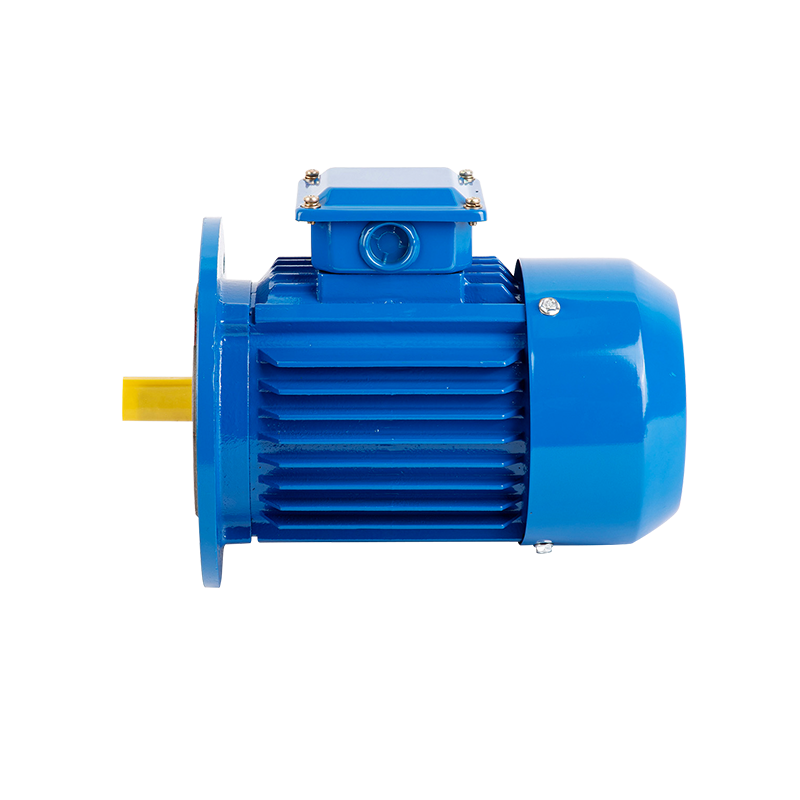
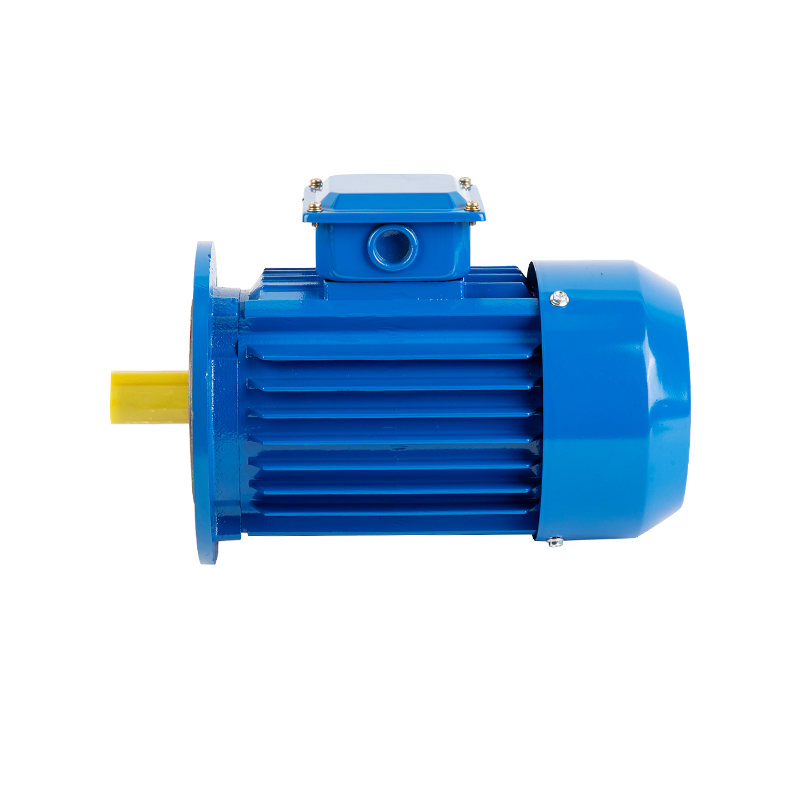
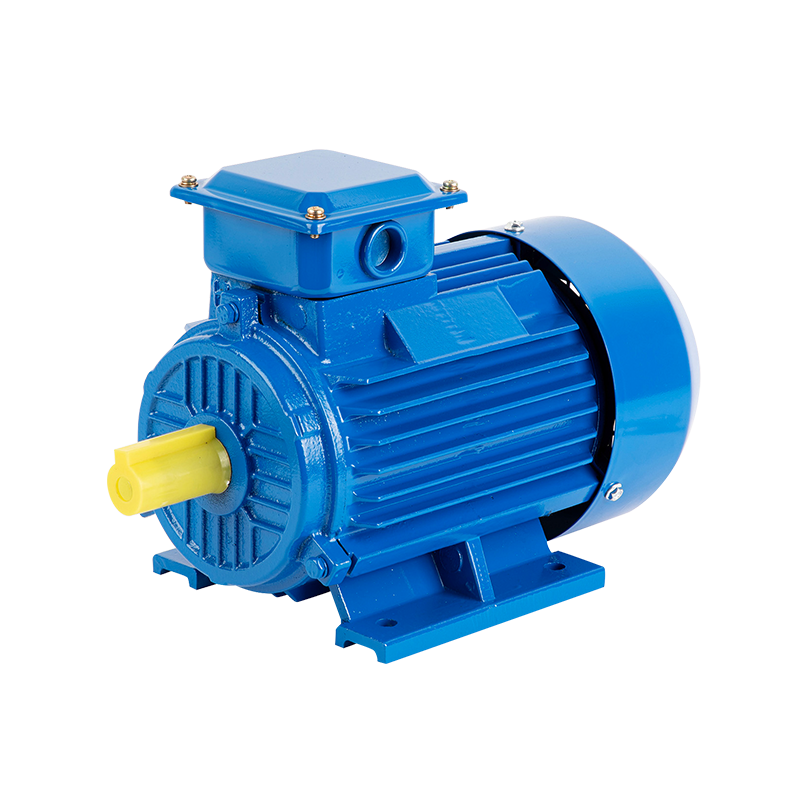
Electric Motor is widely used in industrial equipment as a core device that converts electrical energy into mechanical movement. In real applications,...
READ MORE
-
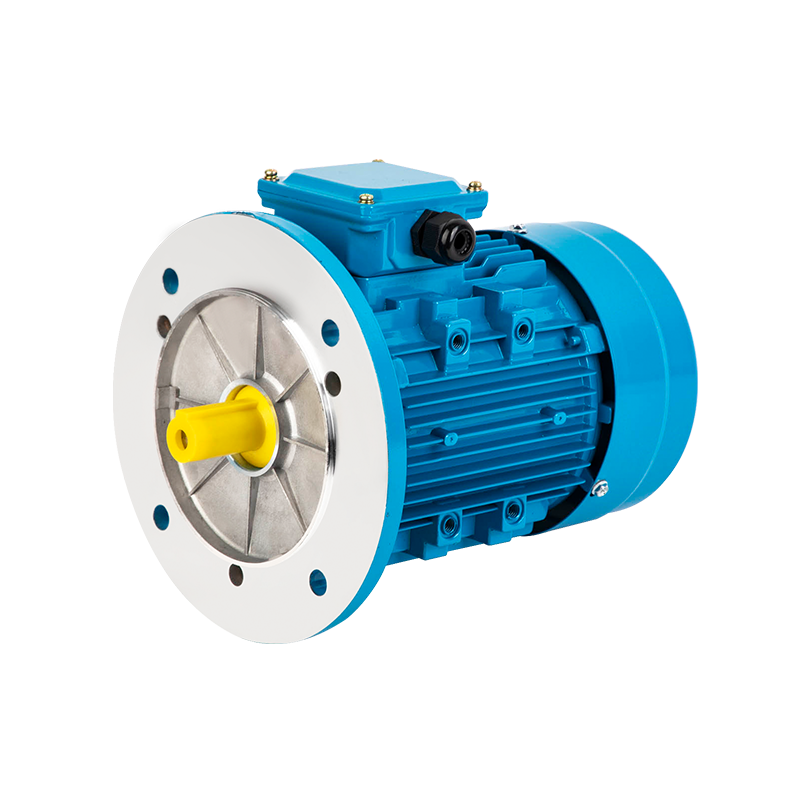 High Speed Long Shaft Motor
-
Asynchronous Long Shaft Motor
-
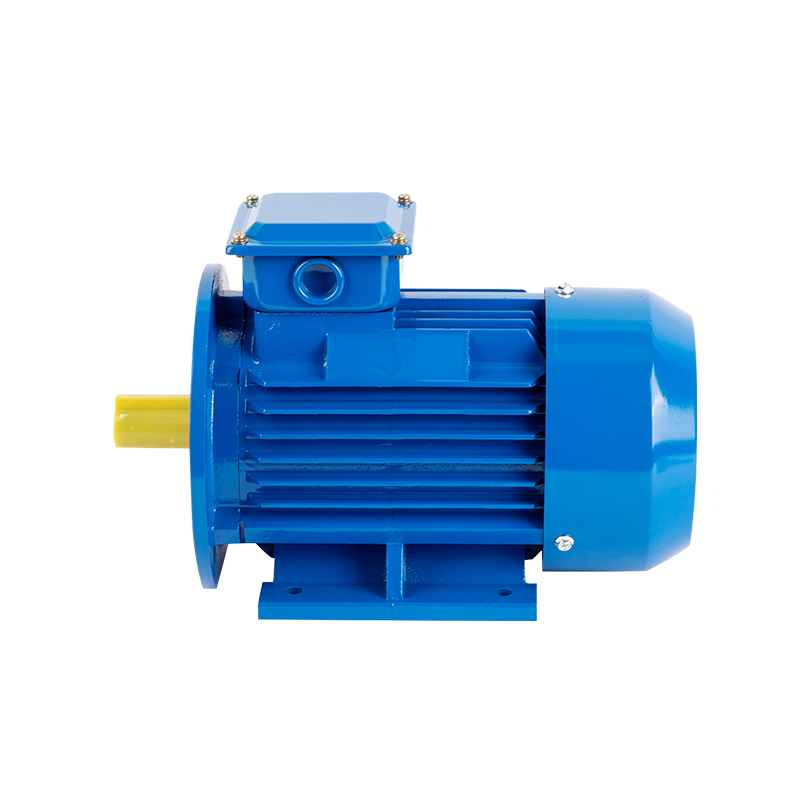 Automation Equipment Three-Phase Asynchronous Motor
-
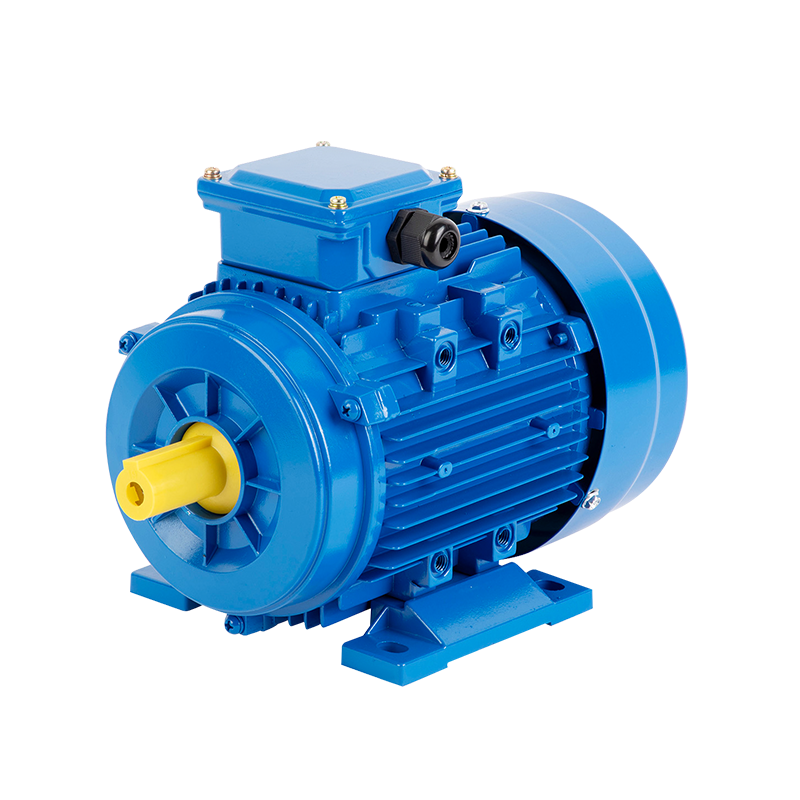 Pump Applications Three-Phase Asynchronous Motor
-
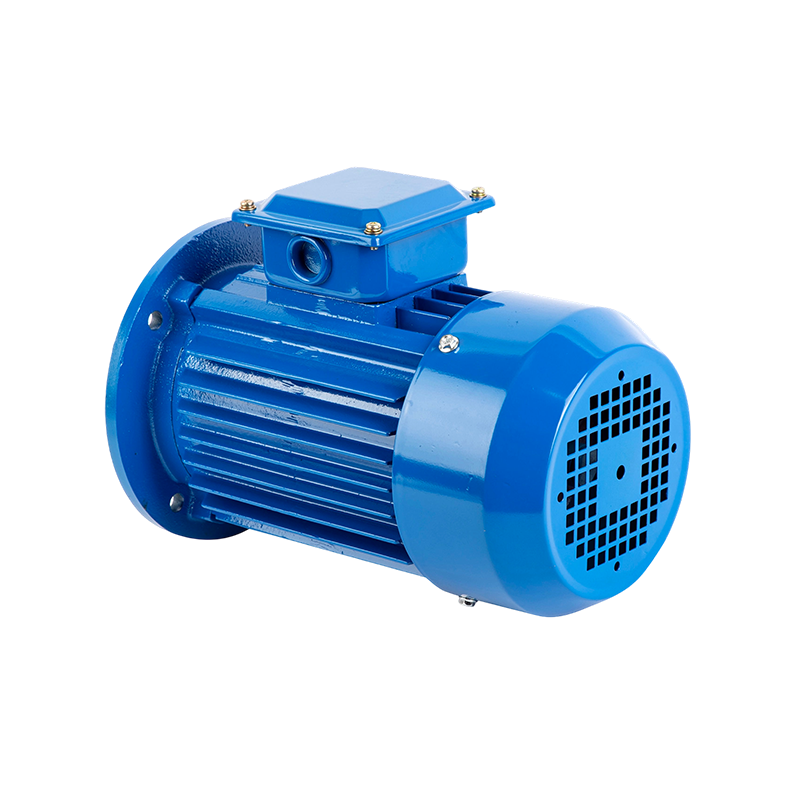 B3 Front Cover Three-Phase Asynchronous Motor
-
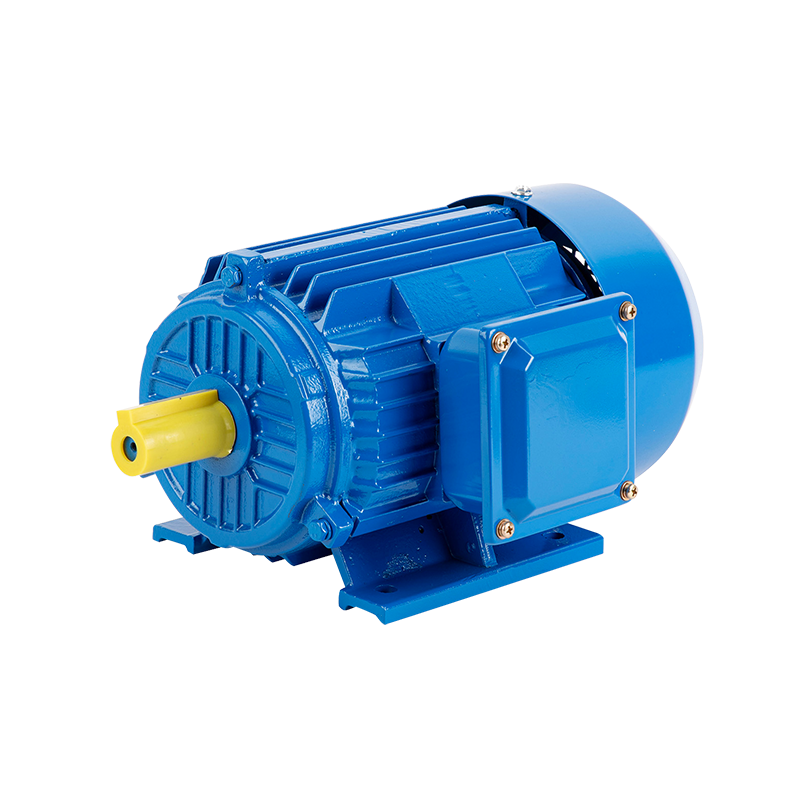 YE3 SPEED 1500RPM 4-POLE 50HZ three-phase asynchronous motor
-
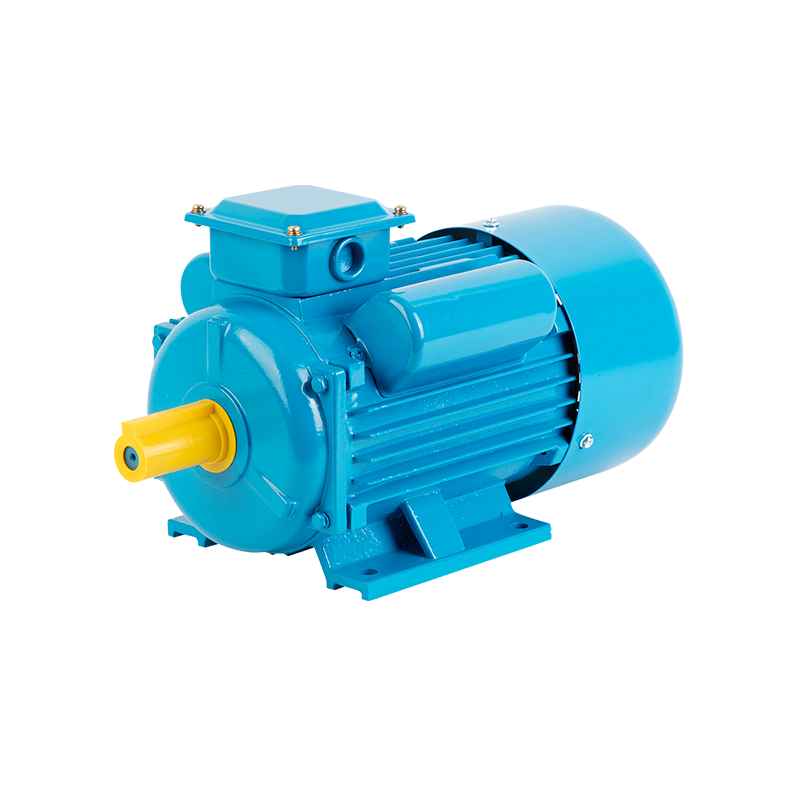 Grinder Motor Motor Double Value Capacitor Asynchronous Motor
-
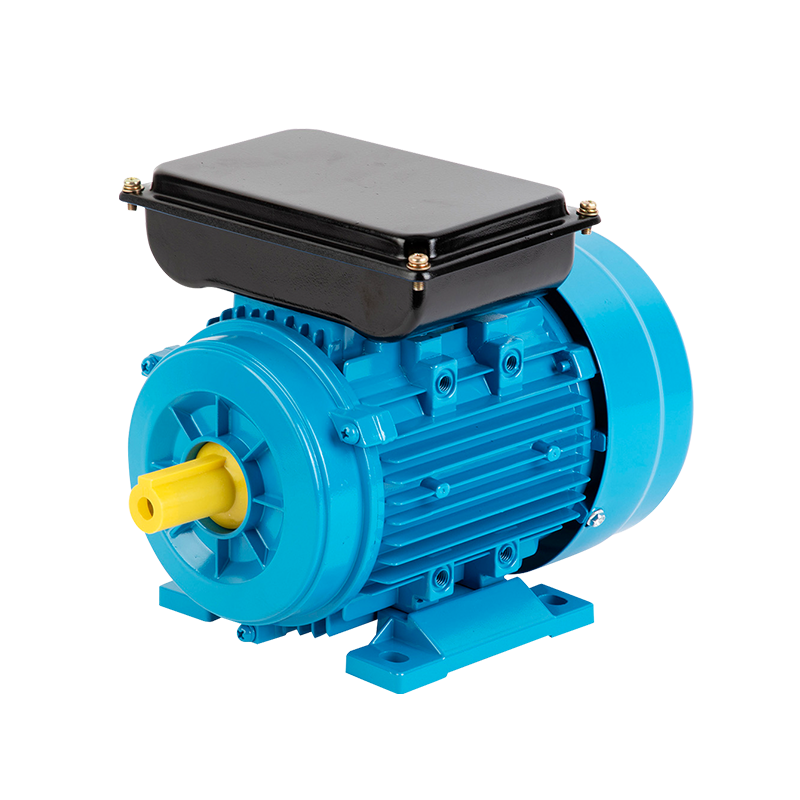 Heat Shrinking Machine Double Value Capacitor Asynchronous Motor
-
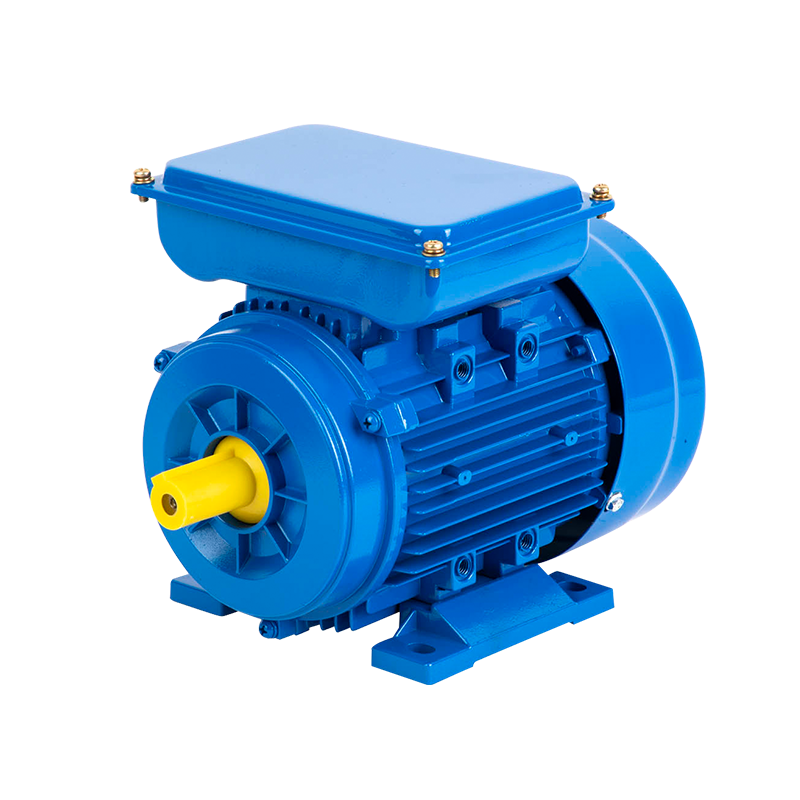 Meat Grinder Mixer Double Value Capacitor Asynchronous Motor
-
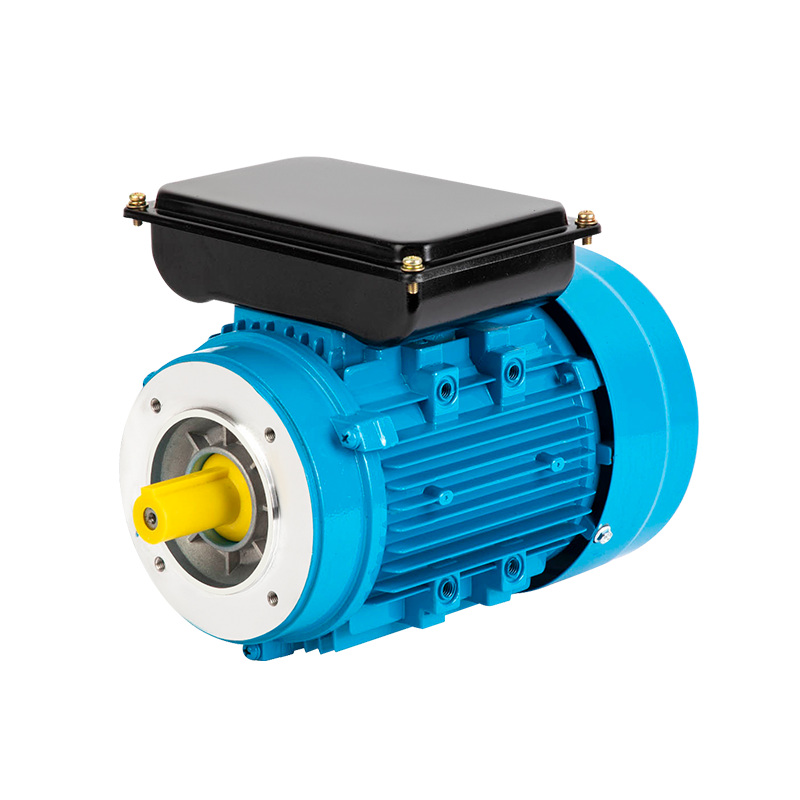 Mixer Double Value Capacitor Asynchronous Motor
-
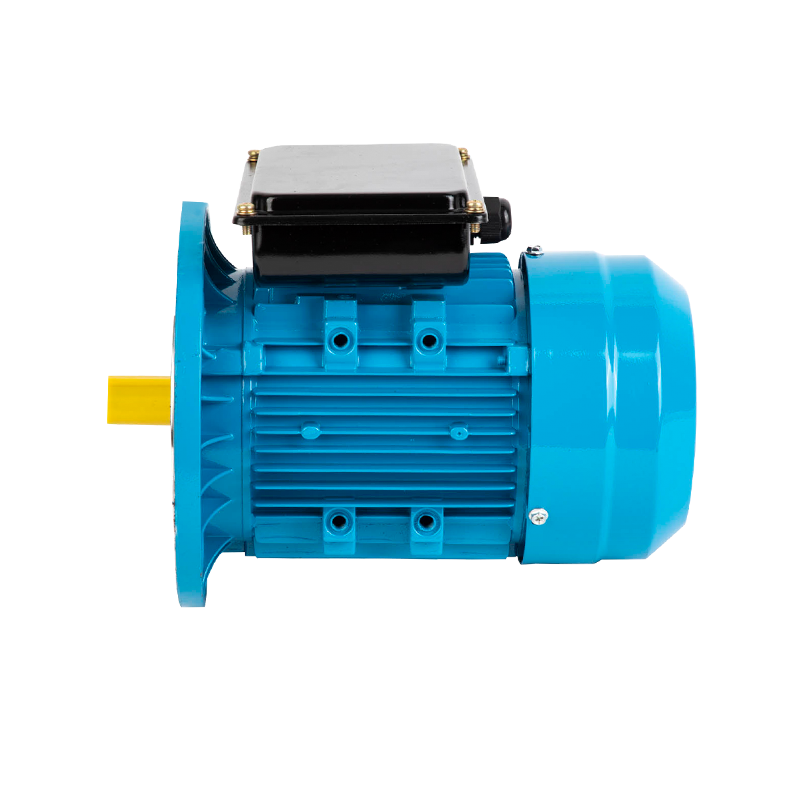 Fan Double Value Capacitor Asynchronous Motor
-
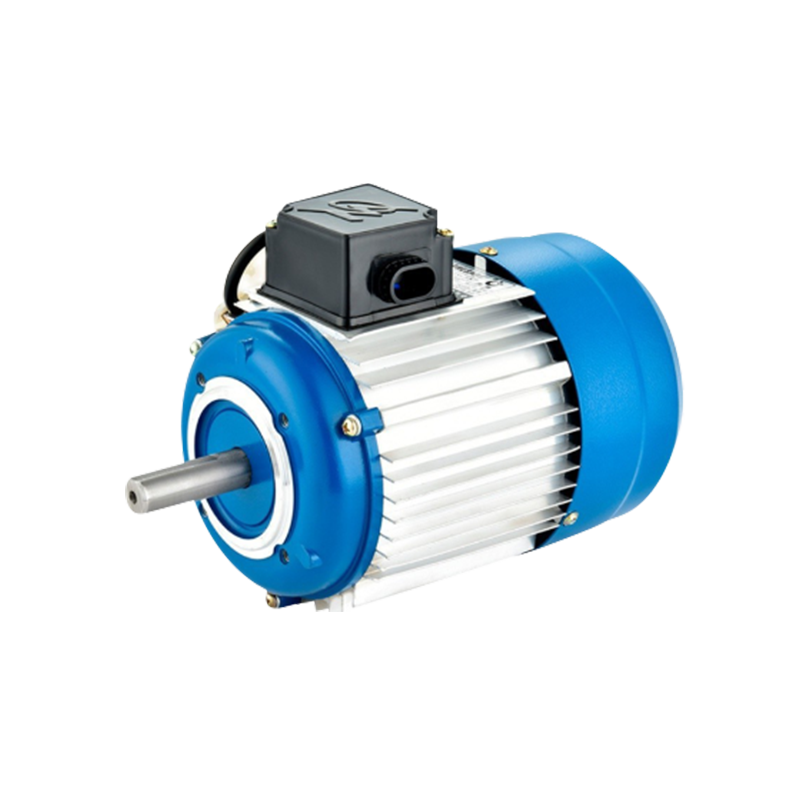 Water Pump Capacitor Run Asynchronous Motor
-
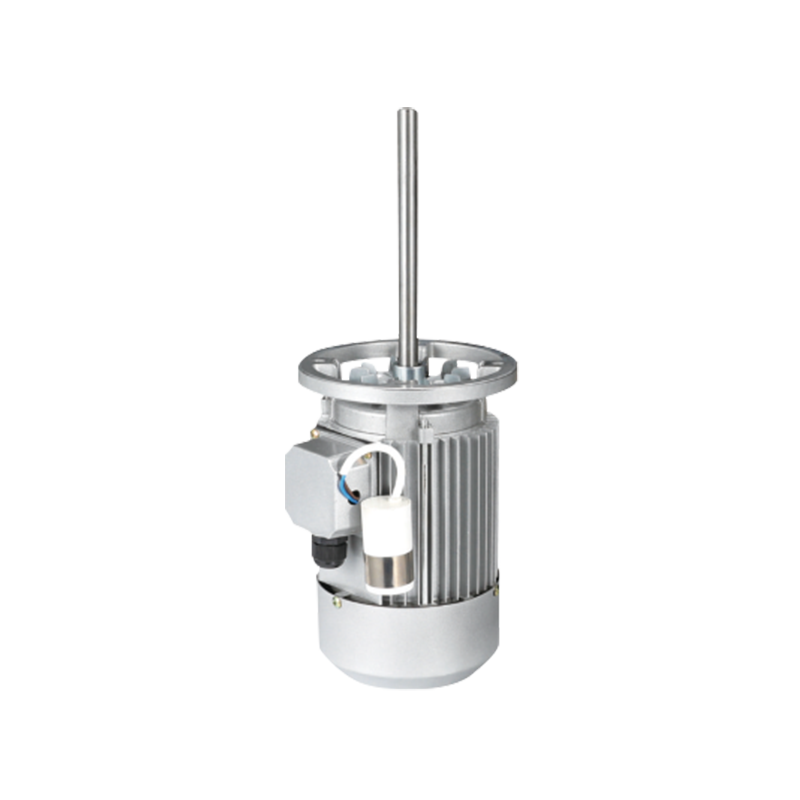 Long Handle Capacitor Run Asynchronous Motor
-
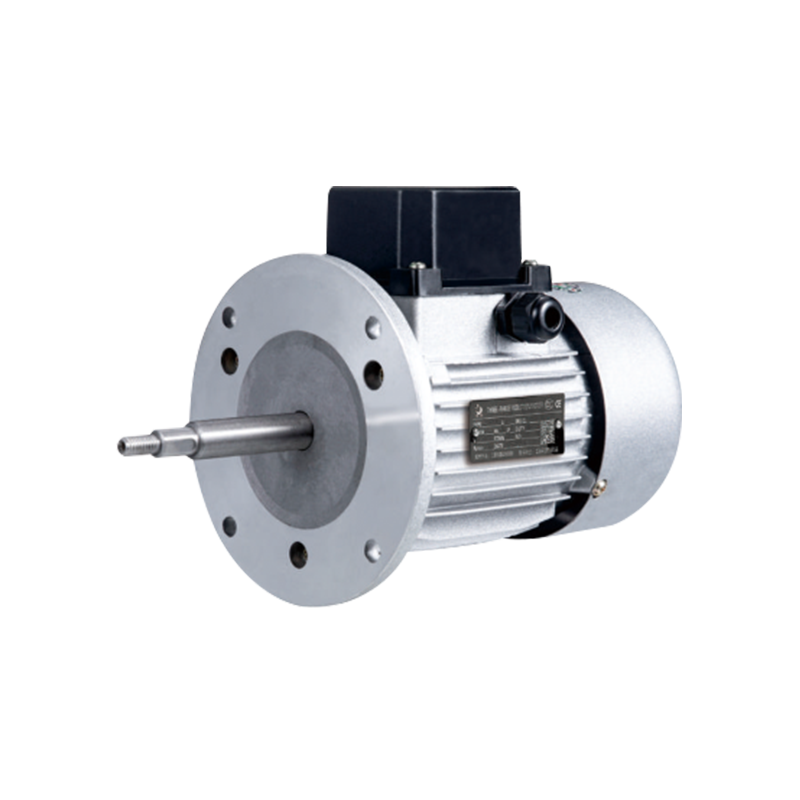 Small Machinery Capacitor Operated Asynchronous Motor
YE3 Series High Efficiency Three-Phase Asynchronous Motor
- Y2 Series Three-Phase Asynchronous Motor
- YE3 Series High Efficiency Three-Phase Asynchronous Motor
- YCL Series Double Value Capacitor Asynchronous Motor
- YL Series Double Value Capacitor Asynchronous Motor
- YY Series Capacitor Run Asynchronous Motor
- Customized Long Shaft Motor
- YE4 Series High Efficiency Three-Phase Asynchronous Motor
- Electric Vacuum Pump
- High Pressure Washer
High Efficiency Electric Motor
From vacuum pumps and automation systems to general pump applications, three-phase asynchronous motors are used wherever stable output and dependable operation matter. Sweelin offers a focused selection of motor solutions, including B3-mounted designs and YE3 series models for different speed and performance requirements. Whether you are sourcing a Vacuum Pump Motor for continuous-duty equipment or a High Efficiency Electric Motor for improved energy performance, our products are built to support reliable machinery operation, OEM integration, and consistent industrial supply.
Get Your Free Quote Now!
About Us
Taizhou Sulin Electromechanical Co., Ltd.
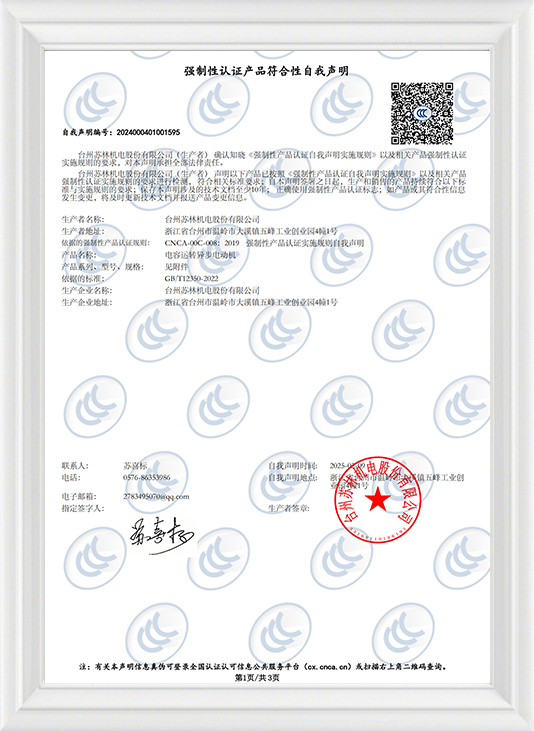
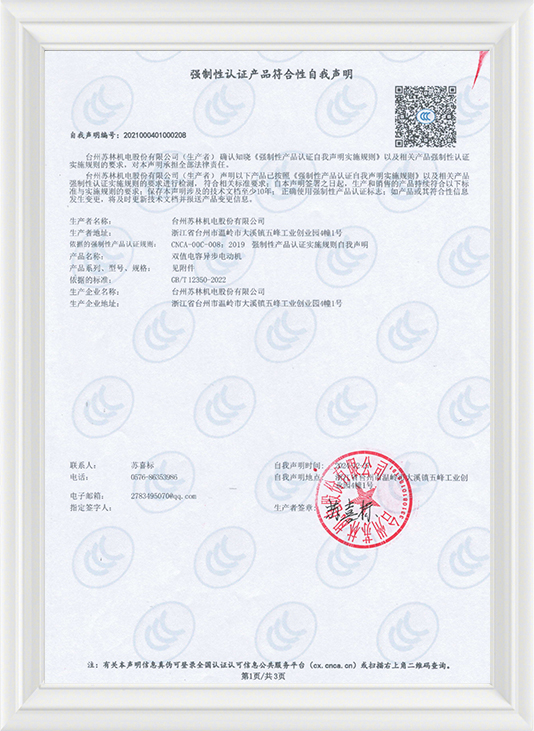
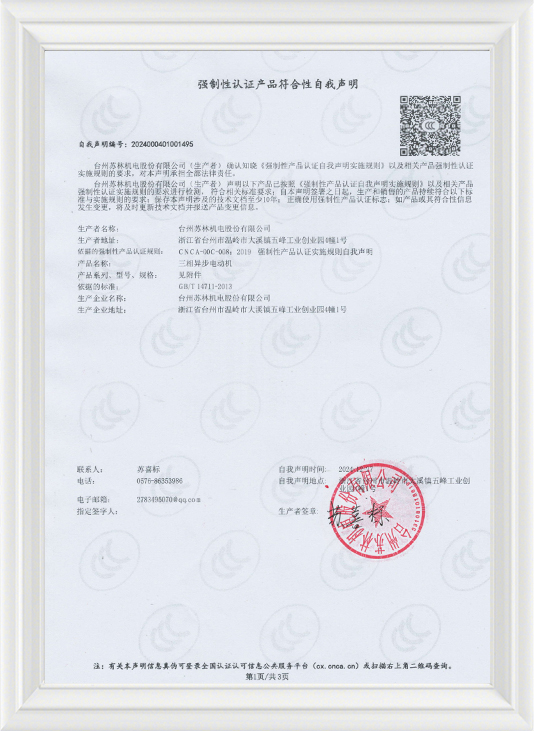
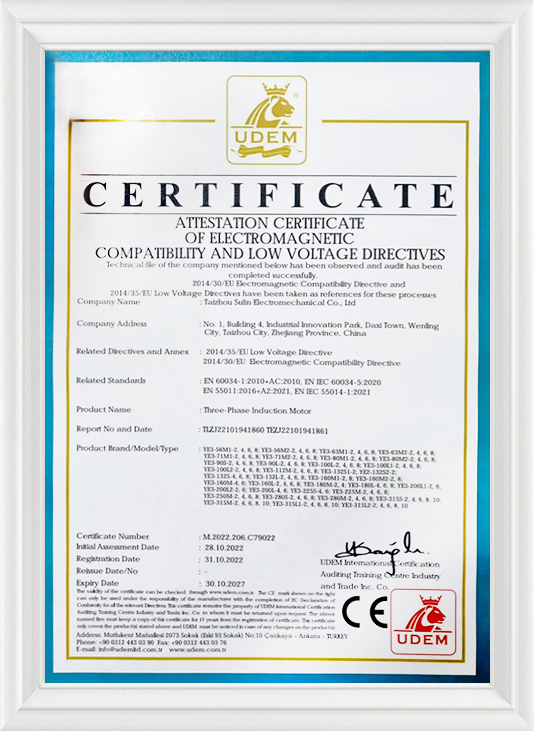
Taizhou Sulin Electromechanical Co., Ltd. is located in Wufeng Industrial Park, Daxi Town, Wenling City, Zhejiang Province. It is adjacent to the G15 and 104 National Highways of Yongtaiwen Expressway, 18 kilometers from Taizhou Luqiao Airport, and 2 kilometers from the train station. The transportation is very convenient. It is a new type of YE3 Series High Efficiency Three-Phase Asynchronous Motor manufacturer and YE3 Series High Efficiency Three-Phase Asynchronous Motor factory integrating design, production, sales, and service. It has many years of experience producing YY series fan-specific, JY, YE2, YC, YL, YCL, and YS. It has a complete motor automatic computer detection line, advanced manufacturing and assembly production lines, and specializes in producing Dingyi brand series motor products. The products have passed the national compulsory product CCC certification and are exported to the EU CE safety certification.
The motors produced by our company are complete, diverse, advanced in design, in material selection, advanced and unique in technology, with performance and safe, reliable, and durable use. The products are sold well throughout the country and exported to countries around the world and have been well received by domestic and foreign customers.
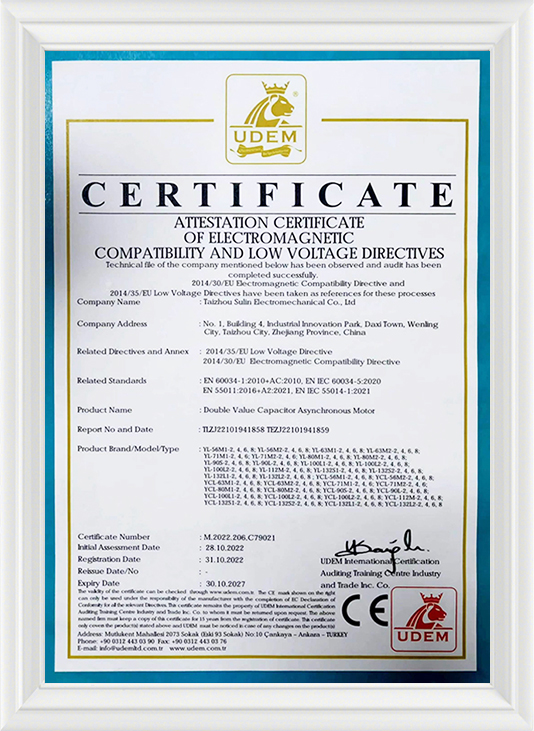
Certificate Of Honor
News
-
-
Electric motor is not something most people pay attention to, but they are working almost everywhere around us. Inside factories, water systems, venti...
READ MORE -
A Three Phase AC Motor is a cornerstone of industrial and commercial operations, providing consistent and efficient mechanical power. Unlike single-p...
READ MORE -
In both industrial and household settings, reliable and efficient motion is essential for equipment operation. An AC electric motor is a device that ...
READ MORE
YE3 Series High Efficiency Three-Phase Asynchronous Motor Industry knowledge
Choosing the Right High Efficiency Electric Motor for Vacuum Pumps and Industrial Equipment
A motor is one of those components people only notice when something goes wrong. In day-to-day industrial use, though, it has a major influence on how smoothly a machine runs, how much energy it consumes, and how often maintenance becomes necessary. That matters even more in equipment such as vacuum pumps, automated systems, and other machines expected to work for long hours without interruption.
For manufacturers and buyers, choosing a High Efficiency Electric Motor is rarely just a technical box to check. It often comes down to operating cost, service reliability, and whether the equipment will continue performing well over time.
The same applies to vacuum applications. A properly selected Vacuum Pump Motor can make a noticeable difference in running stability, temperature control, and overall wear on the system.
Why Three-Phase Asynchronous Motors Are Still a Strong Industrial Choice 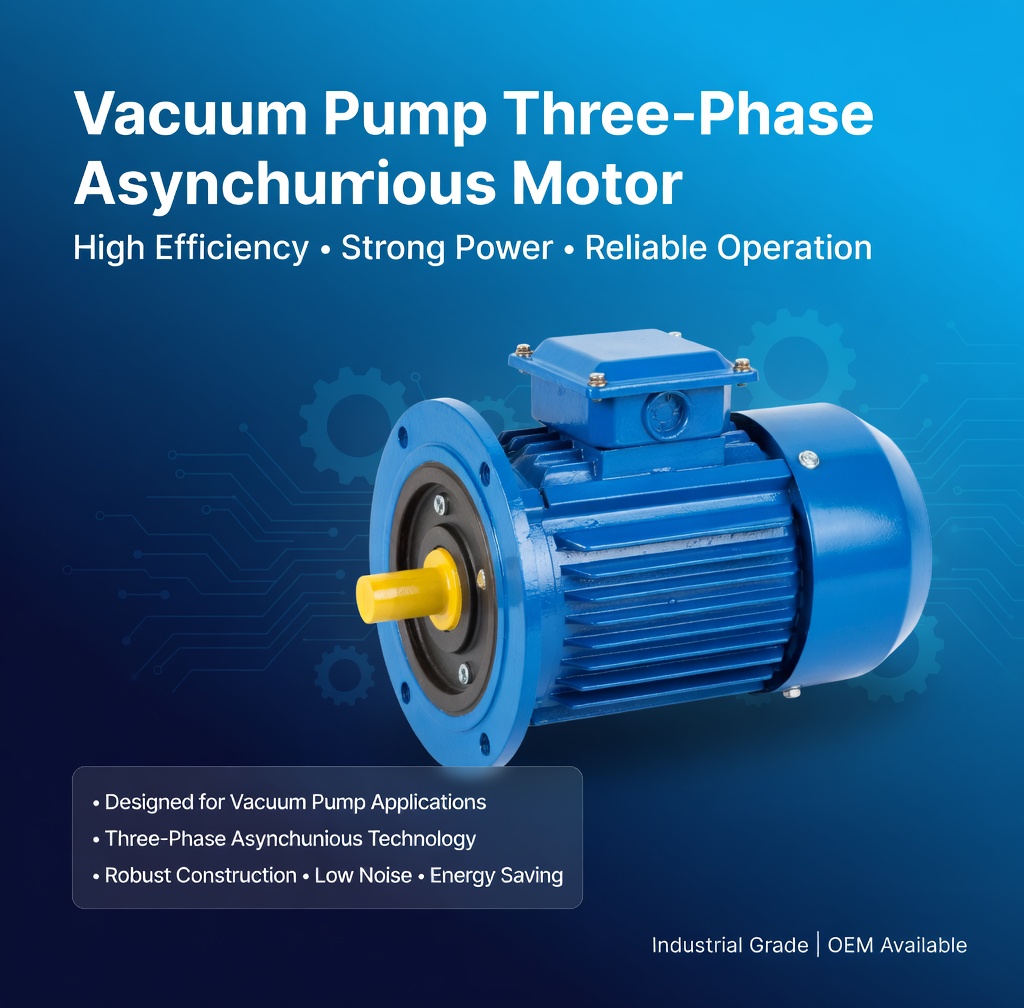
In many factories, the motor people keep choosing is not always the most complicated one. More often, it is the one that can run day after day without creating extra problems. That helps explain why three-phase asynchronous motors are still found in so much industrial equipment. They are familiar to engineers, easier to match with common systems, and dependable in everyday use.
One reason they remain popular is that they suit a wide mix of applications without asking much in return. They can handle long operating hours, fit standard industrial power setups, and usually do not bring the kind of maintenance burden that comes with more specialized designs. For many manufacturers, that combination makes sense both technically and commercially.
This is also why they appear so often in automation equipment, pump systems, vacuum machinery, and other general industrial applications where reliability matters more than unnecessary complexity.
Why Efficiency Matters More Than Ever
Energy efficiency is becoming a more important factor in industrial purchasing, particularly for companies that pay close attention to day-to-day operating expense. In many production environments, motors are expected to run for extended hours, sometimes continuously. Over time, even a modest gain in efficiency can have a real impact on overall energy cost.
A High Efficiency Electric Motor offers more than reduced electricity consumption. It can also help support:
- lower heat buildup during operation
- improved temperature management over long working cycles
- steadier performance under regular load conditions
- better overall machine efficiency
- reduced lifetime operating and ownership cost
For OEMs and facility operators, efficiency is no longer viewed as only an engineering detail. In many cases, it is part of a broader decision about performance, operating cost, and long-term equipment value.
What Makes a Good Vacuum Pump Motor
Vacuum pump applications often require more from a motor than standard-duty equipment. In many cases, the motor must handle stable loading, dependable starting behavior, and long operating periods without generating excessive heat. A pump system may continue to function with an unsuitable motor, but efficiency, stability, and service life can be affected over time.
A properly specified Vacuum Pump Motor should be assessed based on factors such as:
- speed matching for the intended application
- actual load profile during operation
- heat management under working conditions
- resistance to vibration during continuous use
- housing design and mounting fit
- durability in long-hour operating environments
This is why many buyers look beyond basic specifications and prefer suppliers who understand how the motor will be used in the finished equipment, not only its electrical parameters.
The Role of Speed, Pole Count, and Configuration
Motor performance is shaped by more than power alone. Speed and pole count are key parts of application matching.
For example:
- 1500 RPM 4-Pole Motors
- These are often selected where smoother operation and balanced performance are important. They are commonly used in equipment that benefits from steady running characteristics.
- 3000 RPM 2-Pole Motors
- Where faster operation is needed, 3000 RPM 2-pole motors are often the better match. They are commonly used in applications that call for higher speed and more compact power delivery within a limited space.
- B3 Mounting and Front Cover Designs
- The physical setup of the motor is also part of the selection process. A B3 mounting arrangement can work well in many machine layouts, while front cover and housing design may affect installation, alignment, and later service access.
For that reason, choosing the right High Efficiency Electric Motor usually means looking at operating conditions as a whole rather than relying only on the nameplate data.
Why Motor Selection Affects Equipment Reliability
In industrial procurement, motors are sometimes treated as interchangeable. In reality, the wrong choice can lead to assembly issues, unstable output, rising operating temperature, or early maintenance problems.
This is particularly true in:
- vacuum pump systems
- automation equipment
- general pump applications
- high-duty AC machinery
- equipment requiring repeatable production consistency
A good motor improves machine behavior quietly. A poor one tends to announce itself through noise, heat, or downtime.
That is why experienced buyers often look beyond the initial quotation and pay closer attention to specification accuracy, manufacturing consistency, and application fit.
What Industrial Buyers Usually Look For
When sourcing motors for OEM production or equipment replacement, buyers are typically focused on a few practical questions:
- Will the motor perform consistently across repeat orders?
- Is the efficiency level suitable for long operating hours?
- Can the supplier support application-specific configurations?
- Does the motor fit the mechanical layout without unnecessary modifications?
- Is the product suitable for vacuum pump or automation system requirements?
These questions are especially important when sourcing a Vacuum Pump Motor, where the wrong match may affect not only the motor itself but the full performance of the pump system.
How Sweelin Supports Industrial Motor Applications
Sweelin provides three-phase asynchronous motor solutions for vacuum pumps, automation equipment, pump systems, and general industrial machinery. With product options that include B3 configurations and YE3 series motors in both 1500 RPM 4-pole and 3000 RPM 2-pole designs, the company supports a range of installation and operating requirements.
The right motor choice can improve more than electrical performance. It can influence machine stability, energy use, service intervals, and long-term operating cost. In applications such as vacuum pumps and automation equipment, that impact becomes even more significant.
For buyers evaluating three-phase asynchronous motors, the goal should not only be finding a motor that runs. It should be finding one that fits the application well, performs efficiently, and supports dependable equipment operation over time.


-

Building 1, Block 4, Wufeng Industrial Park, Daxi Town, Taizhou City, Zhejiang Province, China
-

+86-18157698088
+86-18857638968
-

+86-13566687811
+86-18157698088

Wholesale Vacuum Pump Motor Manufacturer, Supplier
 Copyright @ Taizhou Sulin Electromechanical Co., Ltd.
Copyright @ Taizhou Sulin Electromechanical Co., Ltd.