 English
 Español
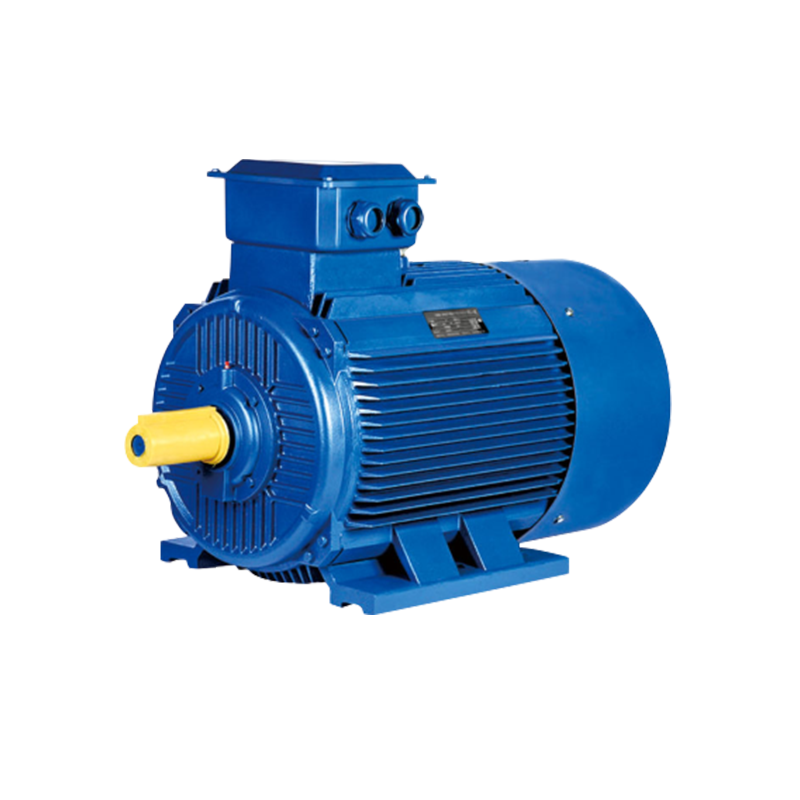
Electric Motor is widely used in industrial equipment as a core device that converts electrical energy into mechanical movement. In real applications,...
READ MORE
-
 High Speed Long Shaft Motor
-
Asynchronous Long Shaft Motor
-
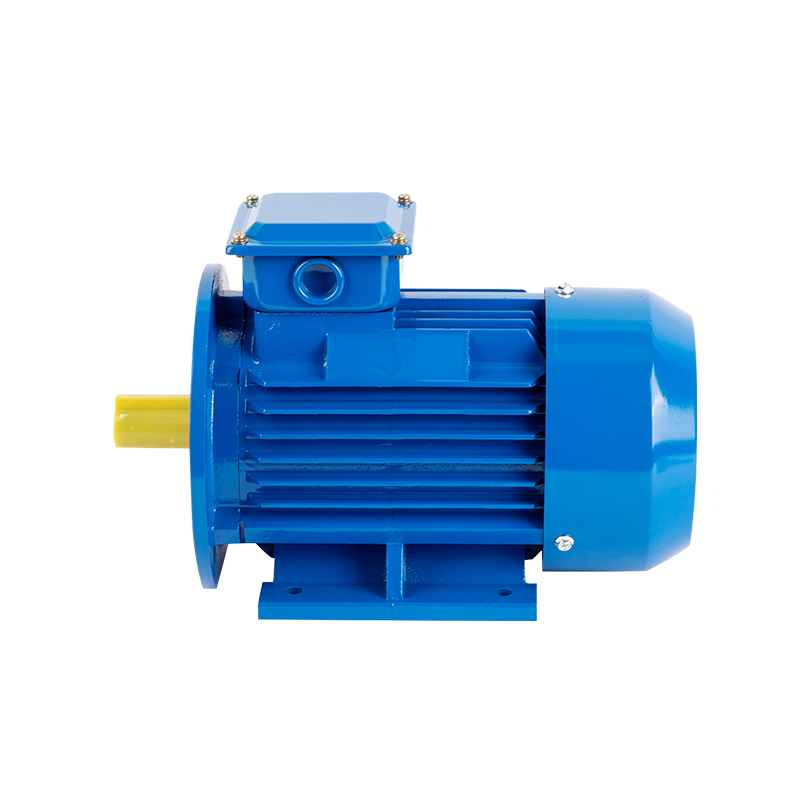 Automation Equipment Three-Phase Asynchronous Motor
-
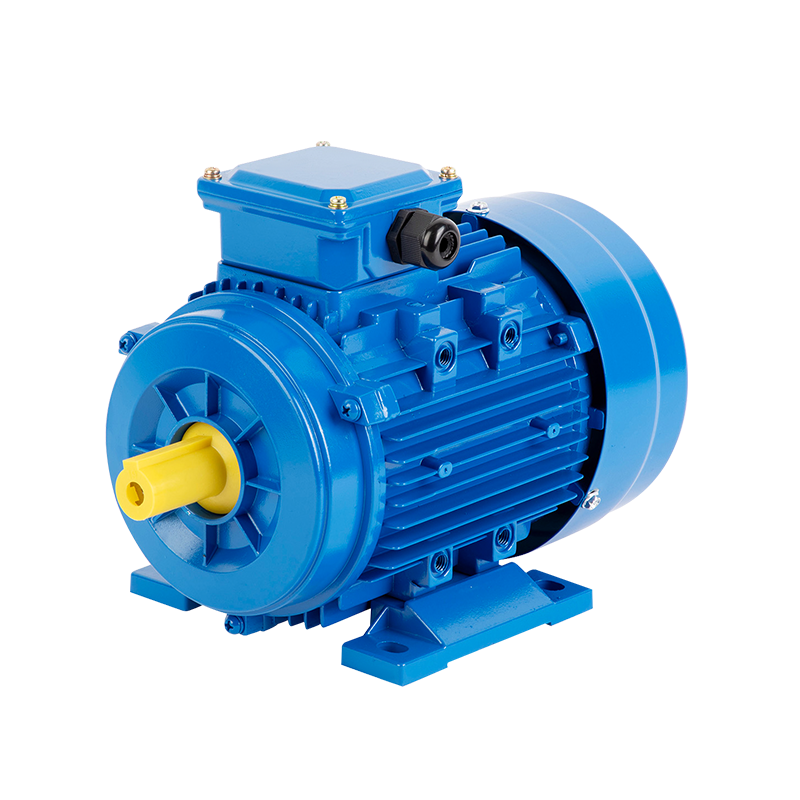 Pump Applications Three-Phase Asynchronous Motor
-
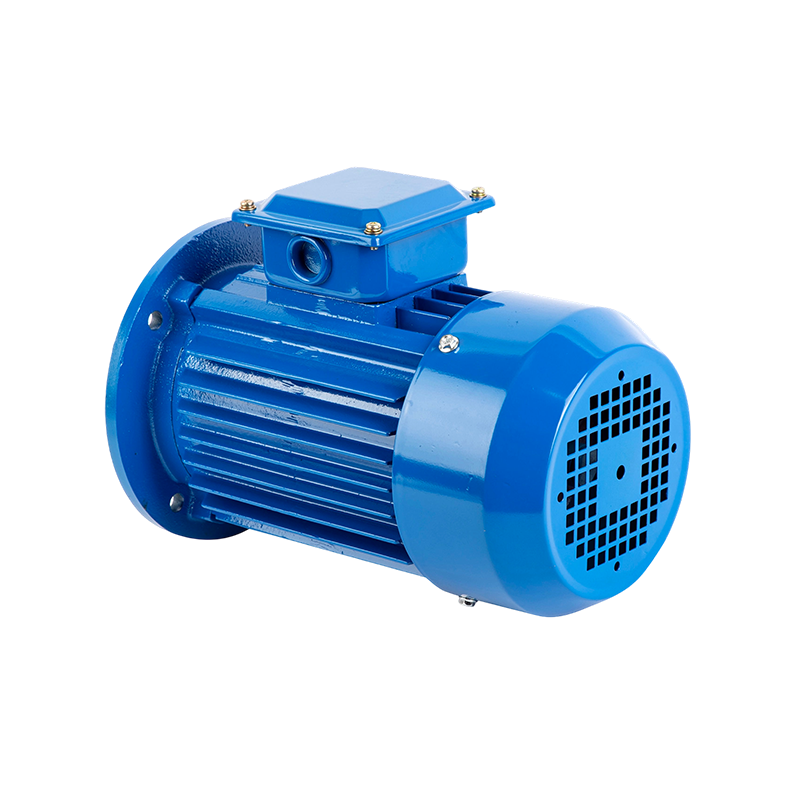 B3 Front Cover Three-Phase Asynchronous Motor
-
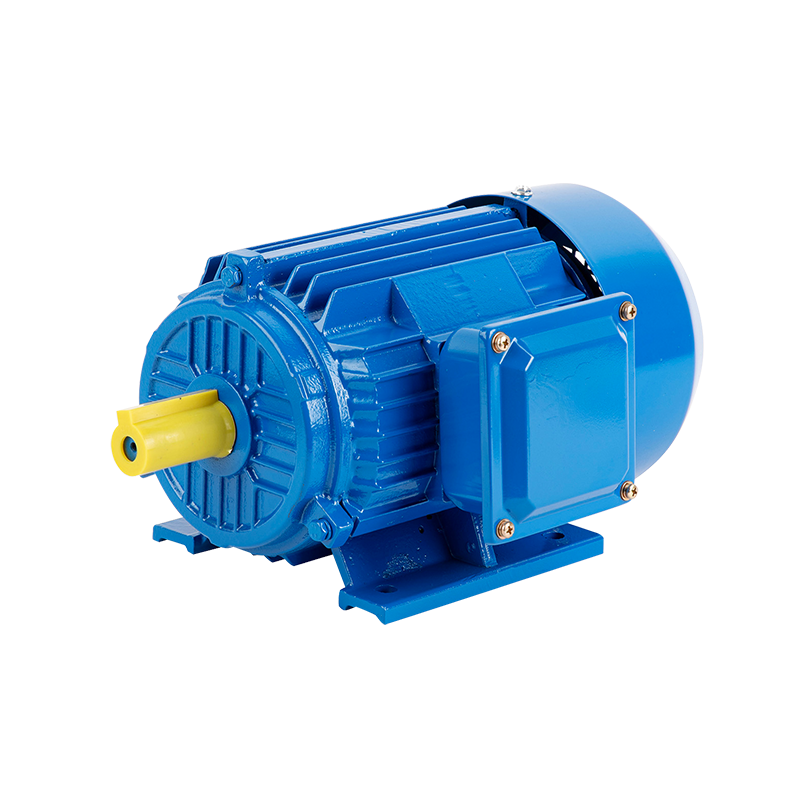 YE3 SPEED 1500RPM 4-POLE 50HZ three-phase asynchronous motor
-
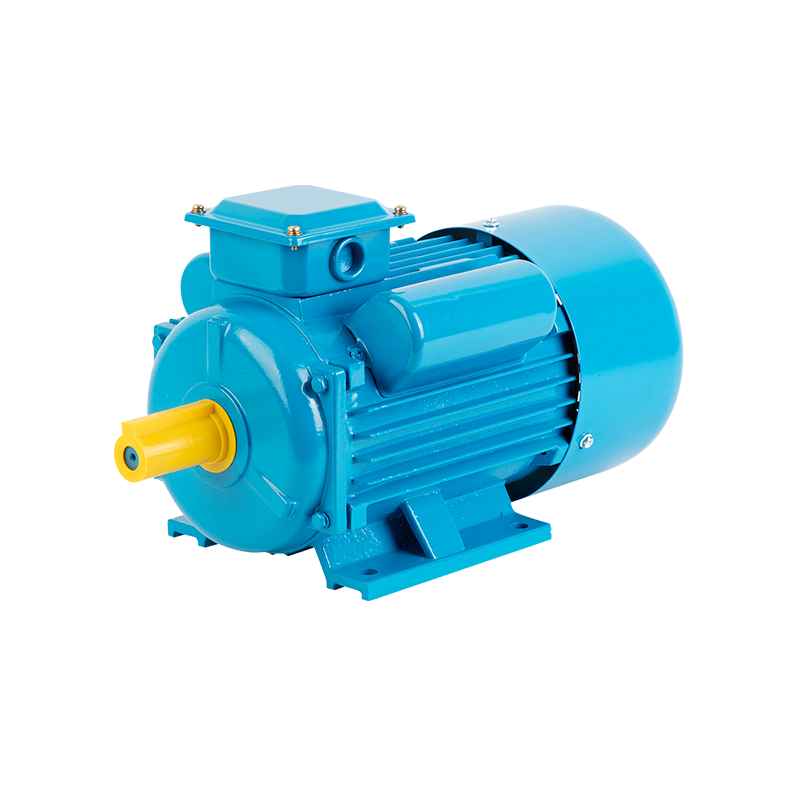 Grinder Motor Motor Double Value Capacitor Asynchronous Motor
-
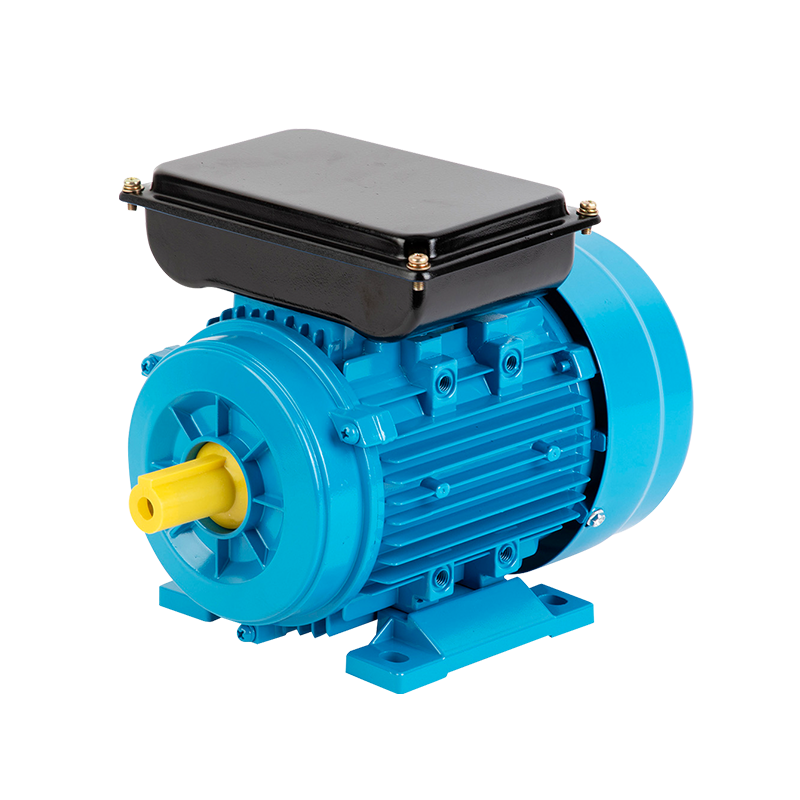 Heat Shrinking Machine Double Value Capacitor Asynchronous Motor
-
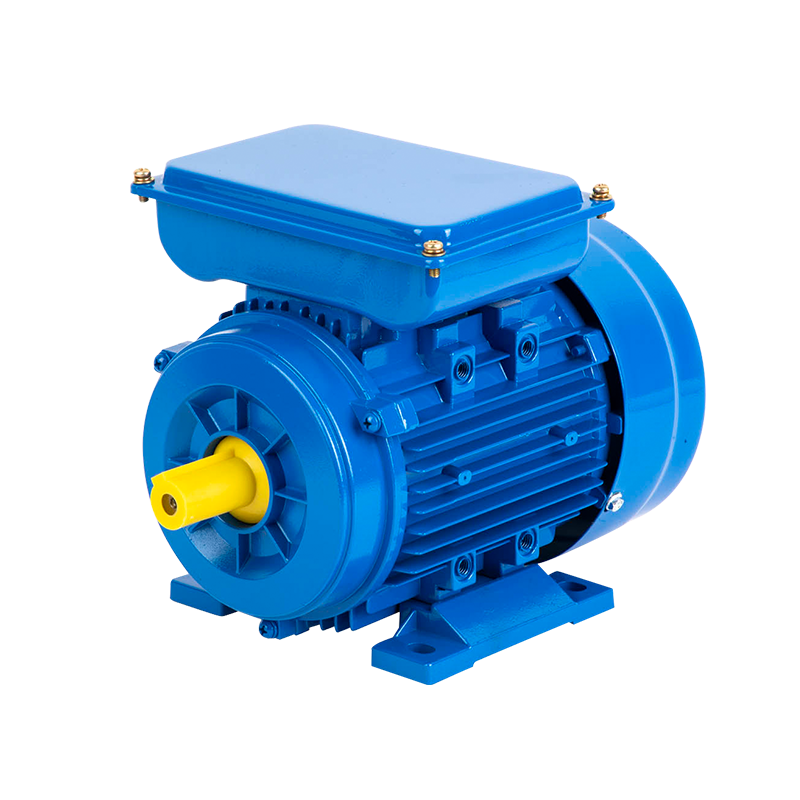 Meat Grinder Mixer Double Value Capacitor Asynchronous Motor
-
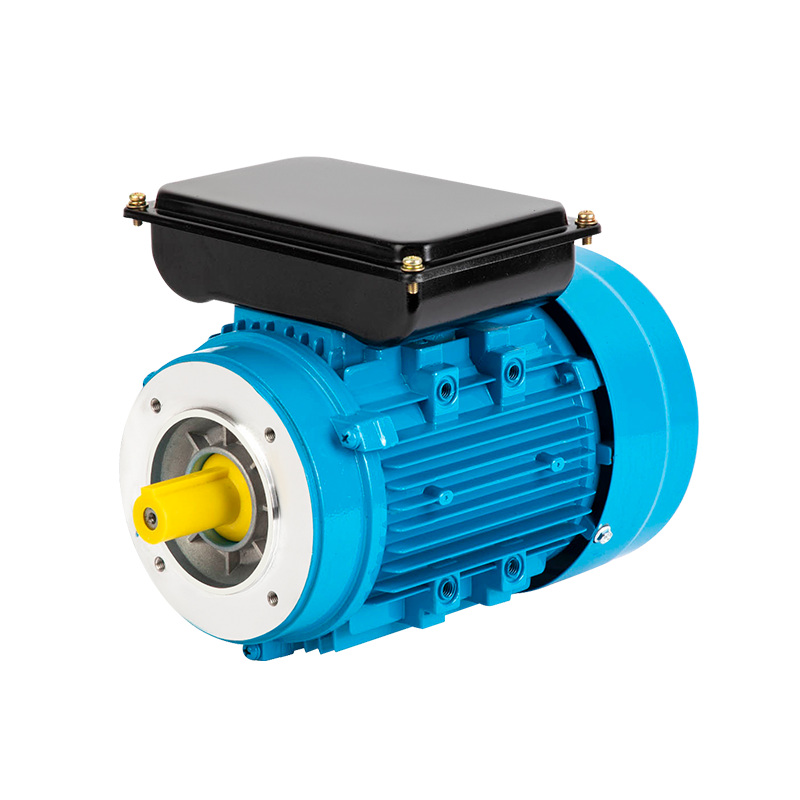 Mixer Double Value Capacitor Asynchronous Motor
-
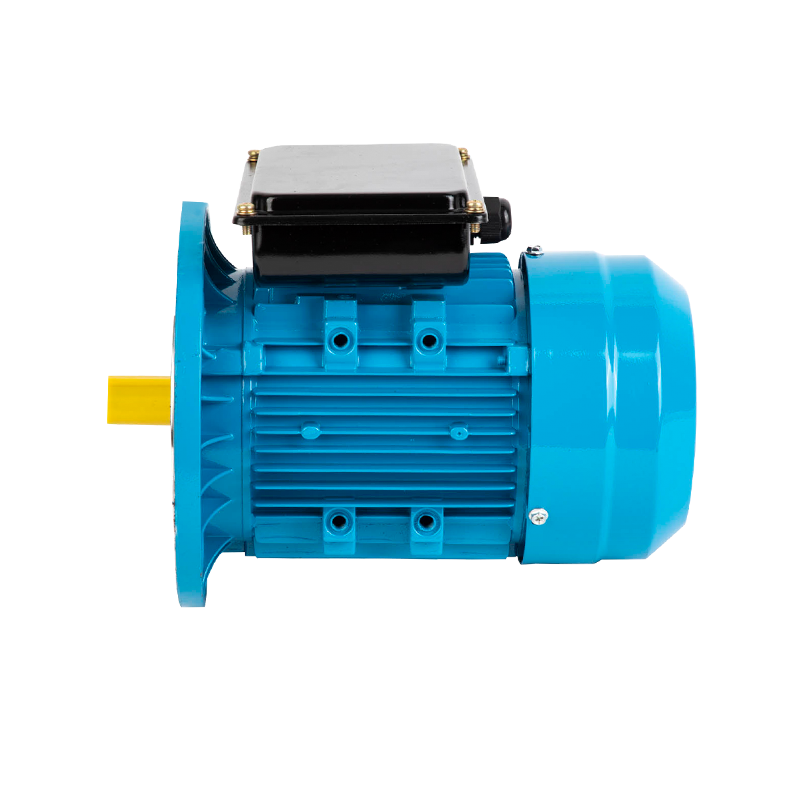 Fan Double Value Capacitor Asynchronous Motor
-
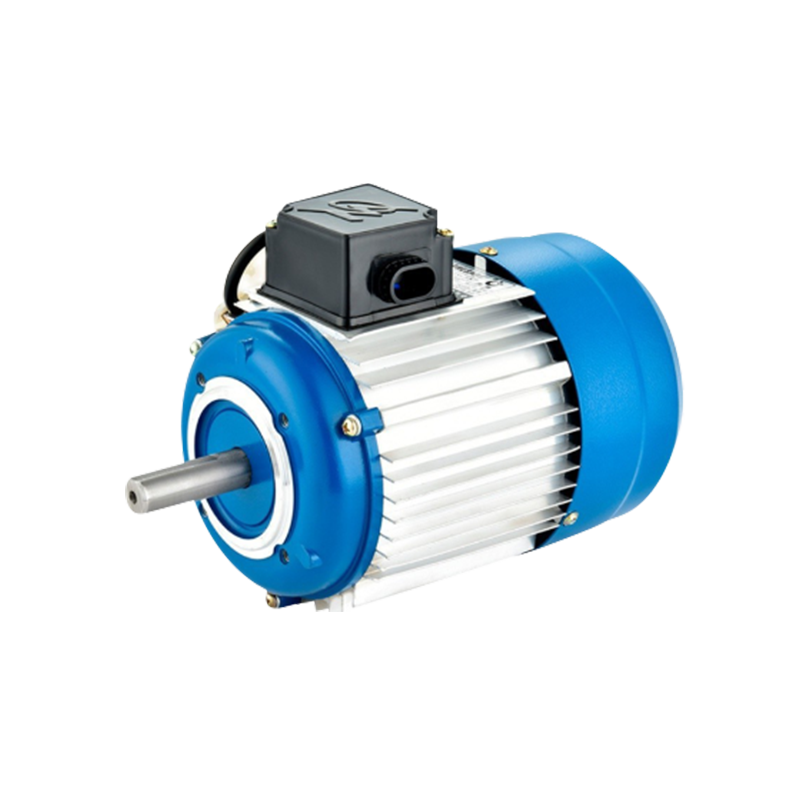 Water Pump Capacitor Run Asynchronous Motor
-
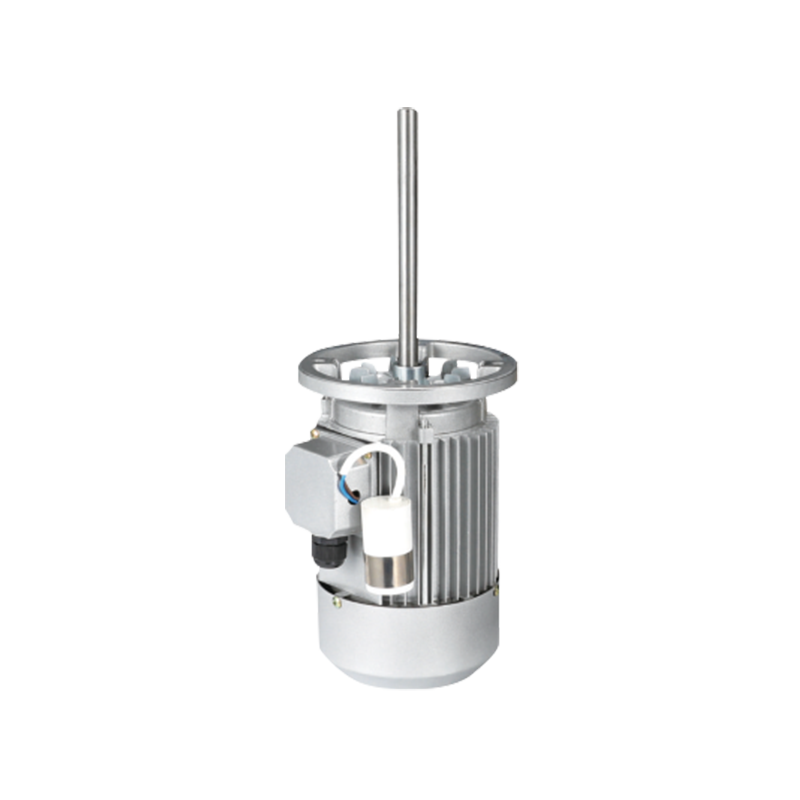 Long Handle Capacitor Run Asynchronous Motor
-
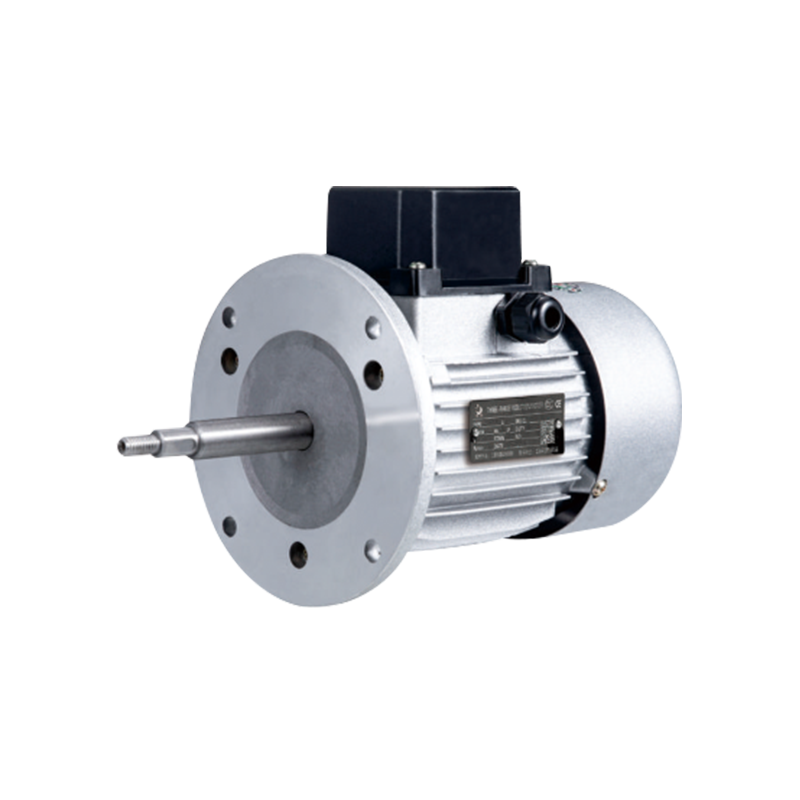 Small Machinery Capacitor Operated Asynchronous Motor
YE4 Series High Efficiency Three-Phase Asynchronous Motor
- Y2 Series Three-Phase Asynchronous Motor
- YE3 Series High Efficiency Three-Phase Asynchronous Motor
- YCL Series Double Value Capacitor Asynchronous Motor
- YL Series Double Value Capacitor Asynchronous Motor
- YY Series Capacitor Run Asynchronous Motor
- Customized Long Shaft Motor
- YE4 Series High Efficiency Three-Phase Asynchronous Motor
- Electric Vacuum Pump
- High Pressure Washer
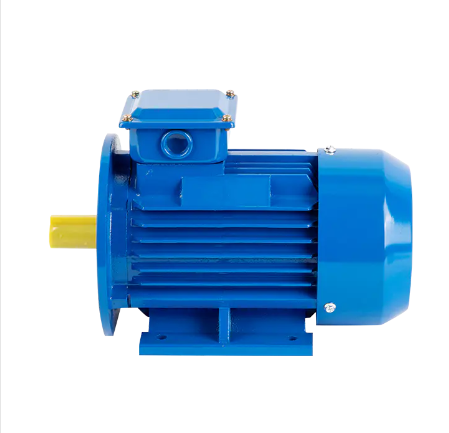
Three-phase Asynchronous Motor
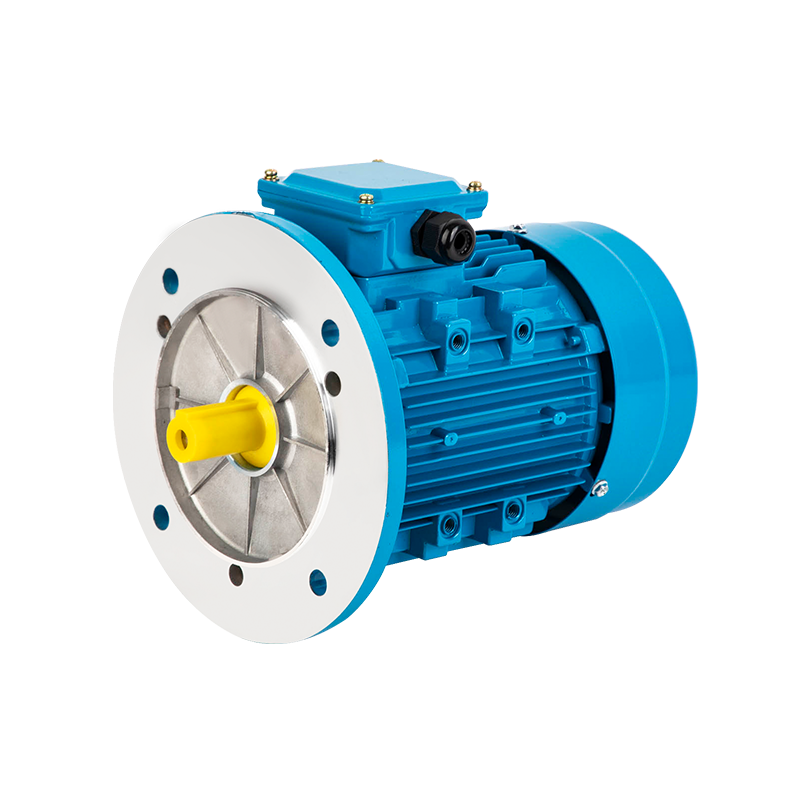
SWEELIN offers a complete range of Three-phase Asynchronous Motor solutions covering common speed options including 750RPM, 1000RPM, 1500RPM, and 3000RPM for 50Hz applications. Built for stable output, efficient transmission, and dependable long-term use, our motors are widely used in industrial equipment, ventilation systems, machinery drives, and automated production lines. Whether you are comparing pole configurations or selecting a 3 Phase Asynchronous Motor for a specific operating requirement, this product category helps buyers quickly identify practical options for different load and speed conditions. SWEELIN supports consistent quality, reliable supply, and application-focused motor selection for global customers.
Get Your Free Quote Now!
About Us
Taizhou Sulin Electromechanical Co., Ltd.
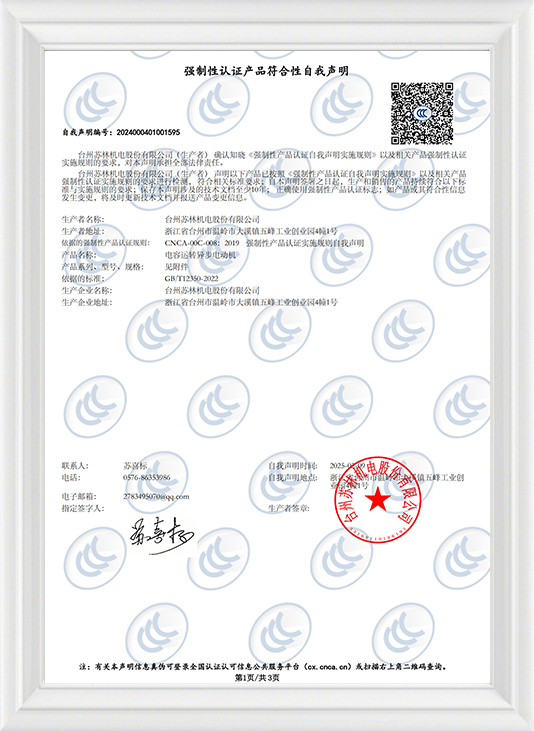
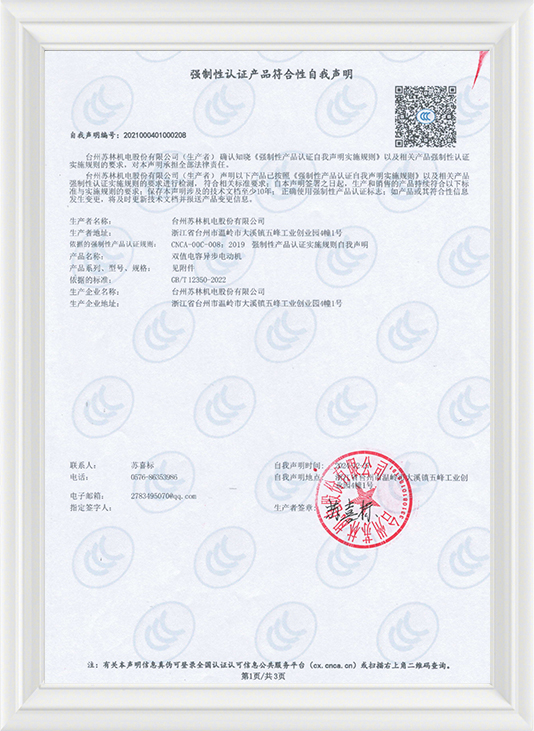
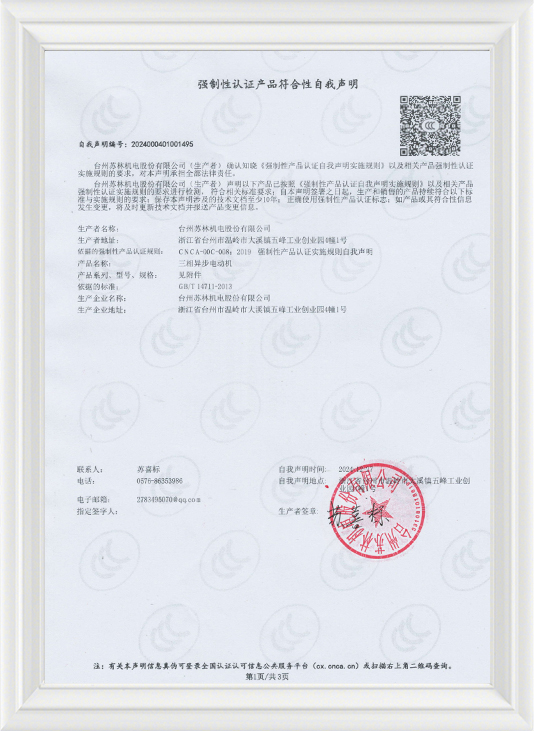
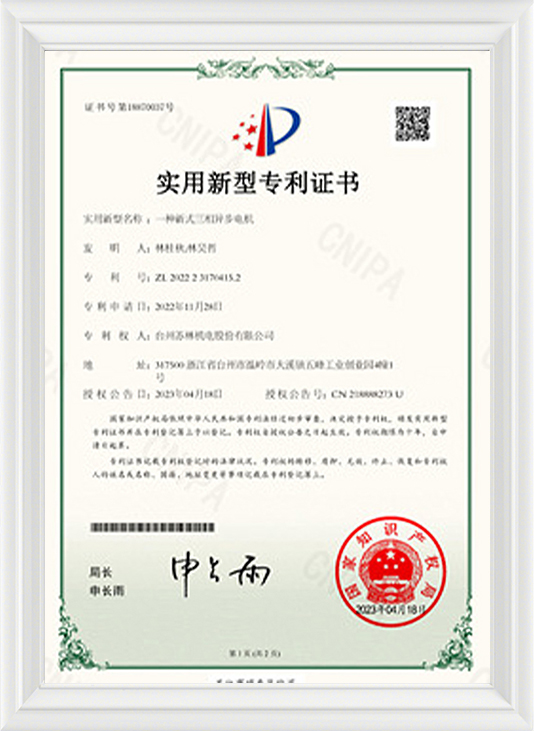
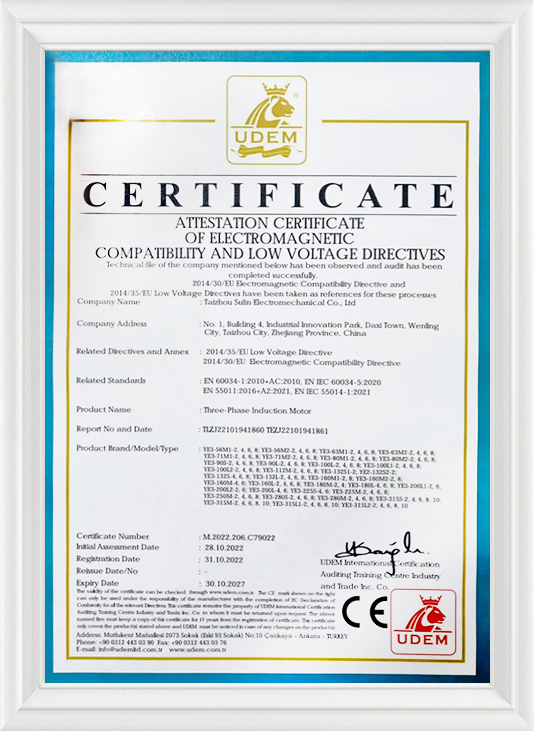
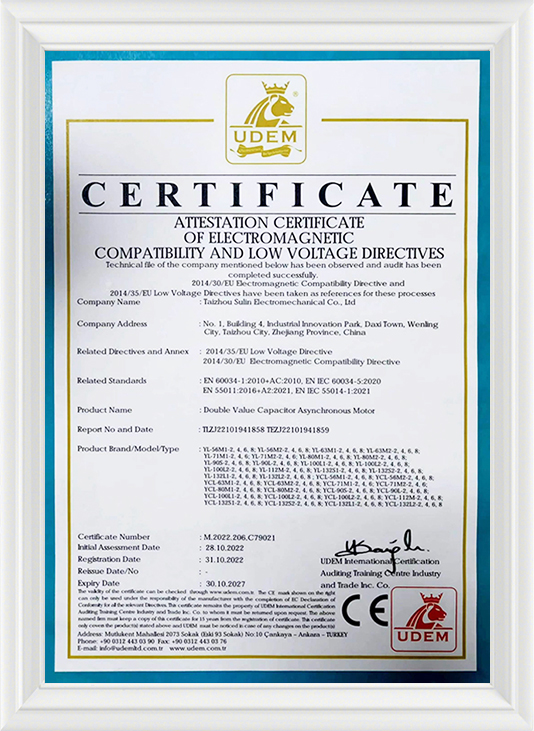
Taizhou Sulin Electromechanical Co., Ltd. is located in Wufeng Industrial Park, Daxi Town, Wenling City, Zhejiang Province. It is adjacent to the G15 and 104 National Highways of Yongtaiwen Expressway, 18 kilometers from Taizhou Luqiao Airport, and 2 kilometers from the train station. The transportation is very convenient. It is a new type of YE4 Series High Efficiency Three-Phase Asynchronous Motor manufacturer and YE4 Series High Efficiency Three-Phase Asynchronous Motor factory integrating design, production, sales, and service. It has many years of experience producing YY series fan-specific, JY, YE2, YC, YL, YCL, and YS. It has a complete motor automatic computer detection line, advanced manufacturing and assembly production lines, and specializes in producing Dingyi brand series motor products. The products have passed the national compulsory product CCC certification and are exported to the EU CE safety certification.
The motors produced by our company are complete, diverse, advanced in design, in material selection, advanced and unique in technology, with performance and safe, reliable, and durable use. The products are sold well throughout the country and exported to countries around the world and have been well received by domestic and foreign customers.
Certificate Of Honor
News
-
-
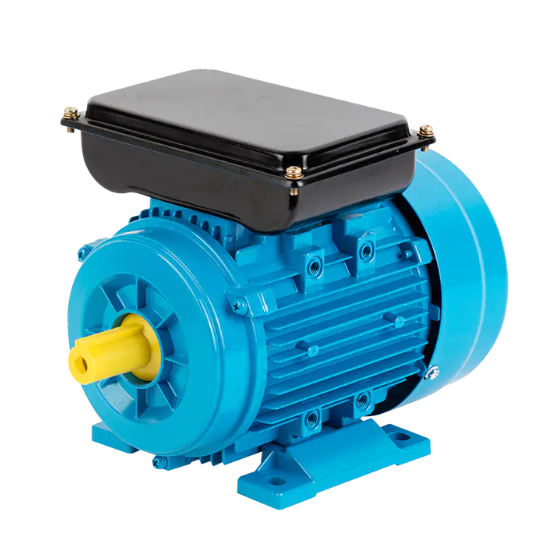
Electric motor is not something most people pay attention to, but they are working almost everywhere around us. Inside factories, water systems, venti...
READ MORE -
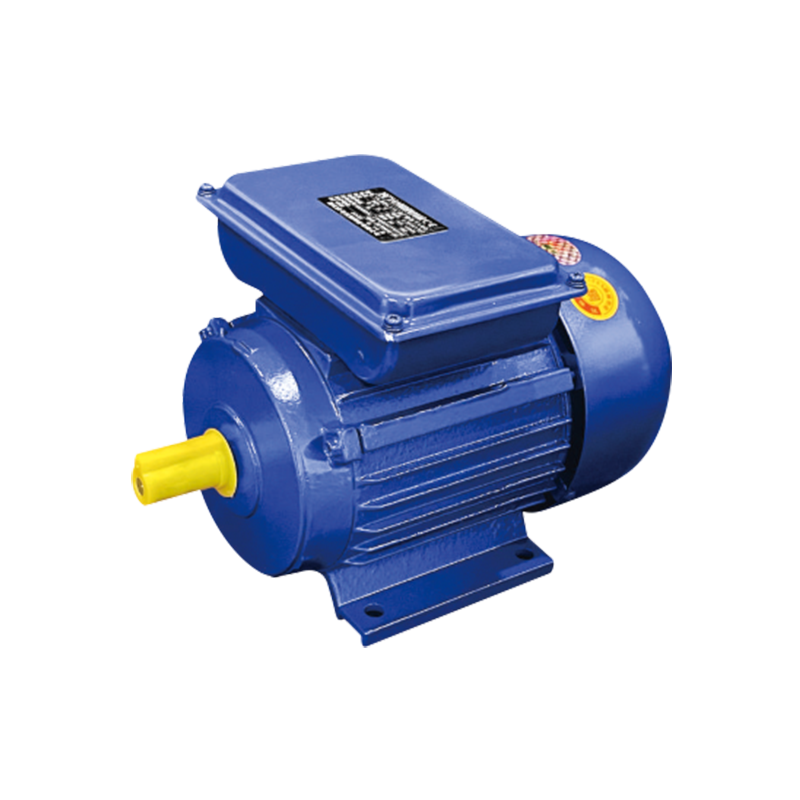
A Three Phase AC Motor is a cornerstone of industrial and commercial operations, providing consistent and efficient mechanical power. Unlike single-p...
READ MORE -
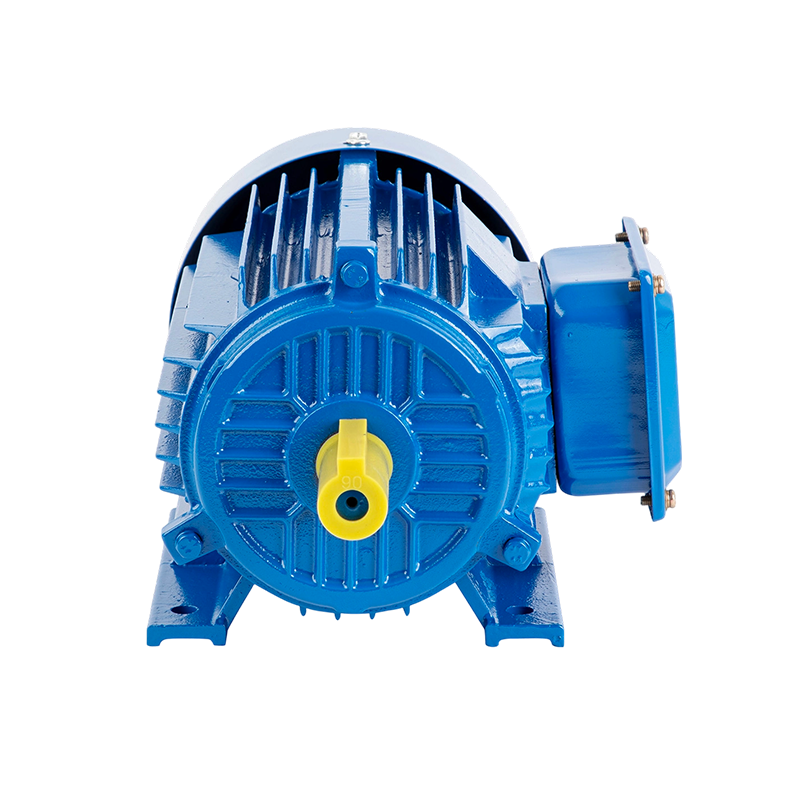
In both industrial and household settings, reliable and efficient motion is essential for equipment operation. An AC electric motor is a device that ...
READ MORE
YE4 Series High Efficiency Three-Phase Asynchronous Motor Industry knowledge
Industry Knowledge: Why Different Speed Options Matter in a Three-Phase Asynchronous Motor
When people search for a Three-phase Asynchronous Motor, they are often not just looking for a motor. What they really need is a drive solution that matches how their equipment is supposed to run. Speed plays a major role in that decision. In many industrial systems, choosing between 750RPM, 1000RPM, 1500RPM, or 3000RPM is less about preference and more about how the machine needs to perform in daily operation.
Speed Choice Affects the Whole System
Motor speed is an important factor in overall drive performance. It influences torque output, transmission design, noise levels, operating stability, and, in some applications, service life. A 3 phase asynchronous motor with a lower speed is often used where smooth operation, high load capacity, and controlled movement are required. Higher-speed motors are generally better suited to applications that need compact drive systems and faster mechanical output.
Because of this, speed selection often changes the way the full machine system is designed.
Different Industries, Different Priorities
Motor requirements vary widely from one application to another. In ventilation systems, the main goal is often to maintain consistent airflow while keeping long-term energy consumption under control. For conveyor operations, reliable performance under continuous load is usually more important than anything else. In industrial production equipment, however, attention often turns to faster response, proper speed-to-torque matching, and smooth coordination between connected mechanical components.
That is one reason the Three-phase Asynchronous Motor remains widely used across industries. It gives equipment manufacturers enough flexibility to match different operating targets without overcomplicating the drive structure.
Lower Speed Does Not Mean Lower Value
In some markets, buyers assume that a faster motor automatically delivers better performance. In practice, that is not always true. A lower-speed 3 Phase Asynchronous Motor may be the better choice for equipment that needs controlled output, reduced vibration, or more stable operation over long working hours.
For many industrial machines, motor suitability is not defined by maximum speed. It is defined by whether the motor supports the process in a reliable and efficient way.
Motor selection should be based on application requirements, not just specification comparisons. The right choice depends on duty cycle, transmission method, machine layout, and actual operating conditions. A three-phase asynchronous motor performs best when it is evaluated as part of the complete system rather than as a separate component.
When speed, load, and installation conditions are properly matched, the result is often improved efficiency, more reliable output, and reduced operating issues over time.


-

Building 1, Block 4, Wufeng Industrial Park, Daxi Town, Taizhou City, Zhejiang Province, China
-

+86-18157698088
+86-18857638968
-

+86-13566687811
+86-18157698088

